CRIMEA

Crimea, a peninsula shaped by history and geopolitics

Located north of the Black Sea, Crimea is a peninsula connected to the mainland by a narrow isthmus and, more recently, by bridge. Disputed between Ukraine and Russia, it remains a territory with a contested status, a reality that shapes how it is approached, discussed and experienced.

For centuries, Crimea has stood at the crossroads of empires and civilizations. Greeks, Romans, Byzantines, Tatars, Ottomans and Russians have all left their mark on its cities and landscapes. Fortresses overlooking the sea, imperial palaces, Soviet-era sanatoriums and ancient ruins reflect a history marked by shifting borders and layered identities.

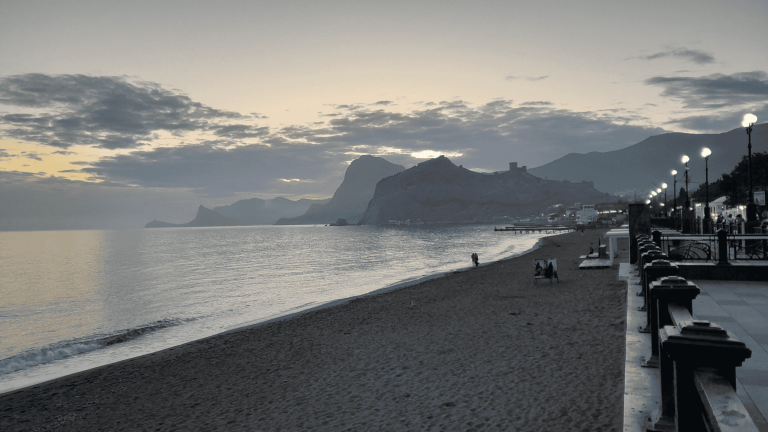
Beyond its historical weight, Crimea is also defined by its geography: mountains descending toward the Black Sea, steppe landscapes in the north, and coastal towns shaped by different cultural influences. Understanding Crimea means looking beyond simplified narratives, political or touristic, and paying attention to the complexity that defines the peninsula today.

My posts on Crimea

Quick overview of Crimea

  • Population: about 240 000 inhabitants
  • Minorities: Tatars, Karaites Jews, Russians and Ukrainians
  • Capital: Simferopol
  • Religions: Christian Orthodoxy, Sunni Islam, & Karaite Judaism
  • Must try food & drinks: Cheburek, Rapanas, wine
  • Best time to visit: Summer
  • Border Crossing: Crimea can be accessed from Russia via the Crimea Bridge, as well as through the Russian-controlled Donbass regions (via Mariupol).