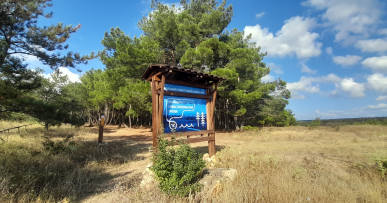
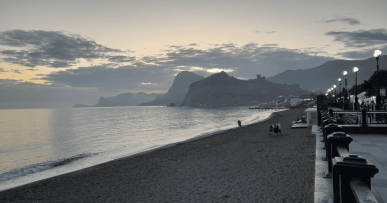
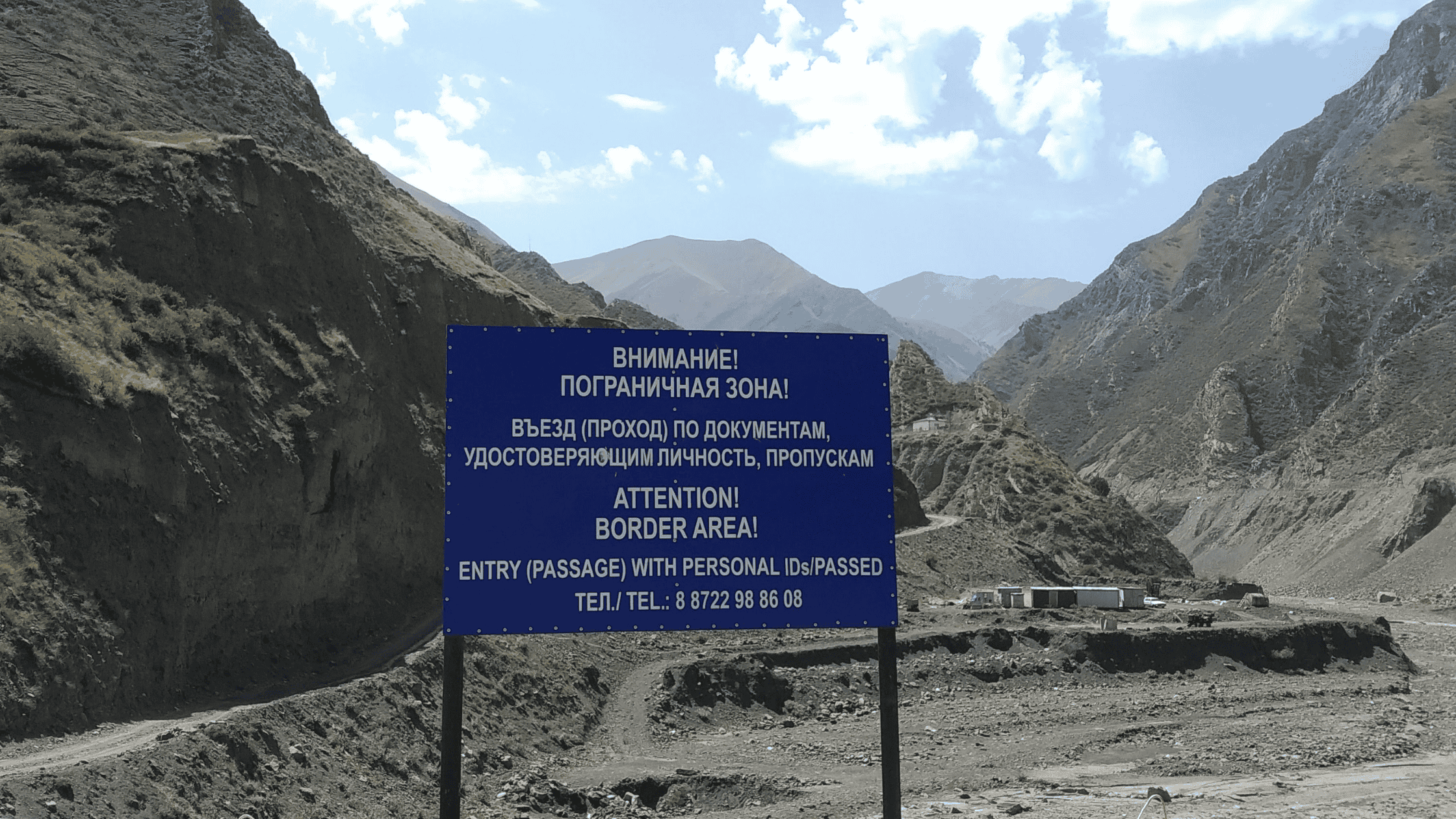
Crimea has attracted empires and conquerors for centuries, and today it remains one of Europe’s most fascinating and controversial regions to visit in 2026.
Officially part of Ukraine until 2014, the peninsula has since been under Russian control. Between the Black Sea, rugged mountains, Tatar villages, Greek ruins, crystal-clear beaches, and Tsarist palaces, traveling to Crimea in 2026 is possible, but it requires a few precautions.
I visited Crimea in the summer of 2022. What was meant to be a short trip turned into more than a month and a half of travel across this complex, little-known, and utterly unique region. I loved it so much that I went back early autumn 2025.
This is the most complete and up-to-date travel guide to Crimea in 2026. It covers everything you need to know: how to get there, visa issues, safety tips, accommodations, food, and much more.
Important: This guide is for informational purposes only. I share my personal experience as an independent traveler, fully aware of the risks. If you choose to travel to Crimea, you do so at your own risk and full responsibility.
Last updated 27 May 2026
Disclaimer: Status of Crimea (2026 update)
Since 2014, Crimea has been annexed by Russia, but it is still recognized as Ukrainian territory by most of the international community. Many foreign ministries (e.g. France Diplomatie, UK Foreign Office, US State Department) advise against all travel to Crimea. Entering Crimea via Russia is considered illegal by Ukrainian law, and may have legal consequences for future travel to Ukraine. Refer to your country’s official travel advisories
General information for traveling to Crimea
What is the current political situation in Crimea?
Since Russia’s annexation of Crimea in March 2014, the peninsula has been de facto under Russian control, even though this annexation is not recognized by Ukraine or most of the international community.
Russian authorities now manage the entire territory, and the city of Sevastopol has a special status as a “federal city”, similar to Moscow or Saint Petersburg. Administratively, it is separate from the rest of Crimea. Locals often distinguish “Crimea” from “Sevastopol” as two different entities.
Ukraine continues to claim Crimea, as well as other southern regions currently under Russian control, notably southern Kherson, which now serves as a land bridge between Donbass and Crimea along the Sea of Azov.
Crimea is “accessible“ via two main land routes:
• via the Crimean Bridge (also called the Kerch Bridge), which connects the peninsula to the Krasnodar region of Russia;
• and through southern Kherson region, under Russian administration as of the date of latest update.
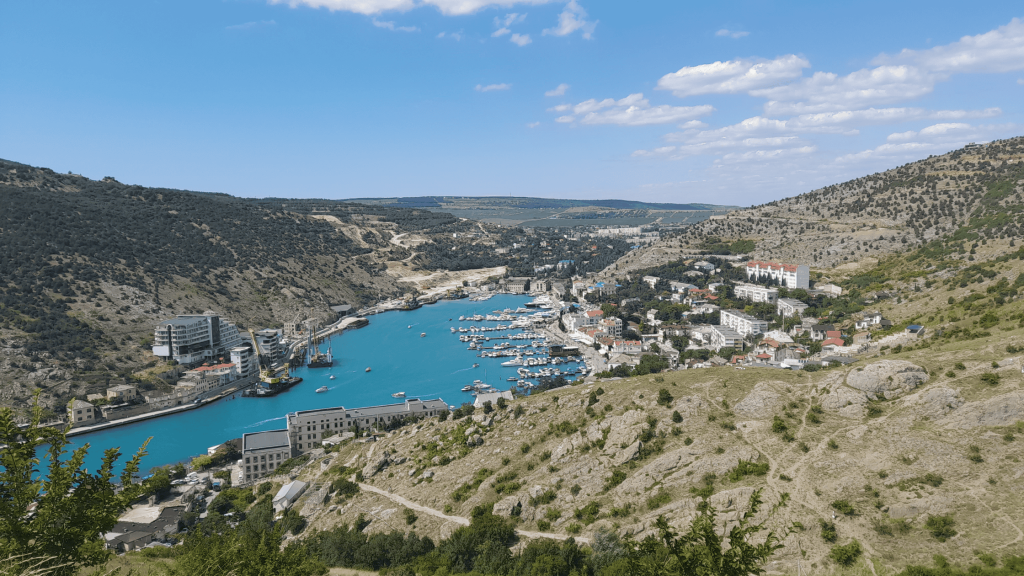
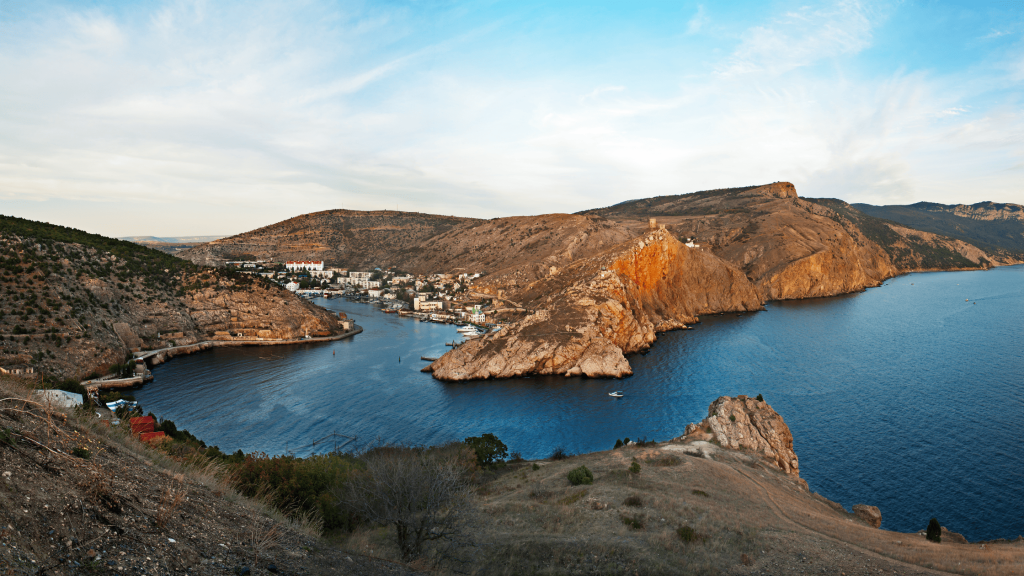
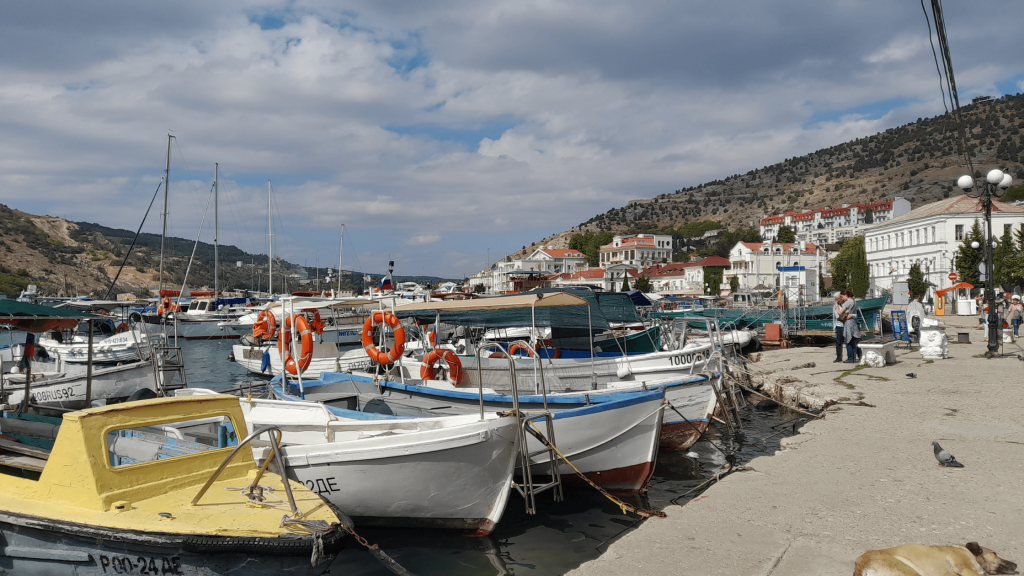 Balaklava
Is it legal to visit Crimea?
From Russia’s perspective, yes: you can enter Crimea from Russia without issue, provided you have a Russian visa (if required for your nationality).
From Ukraine’s and the Western’s perspective, no: entering Crimea via Russia is considered illegal because it bypasses Ukraine’s official borders. This could become a problem if you plan to travel to Ukraine afterward.
In practice, foreign travelers entering Crimea via Russia face no issues while in Crimea.
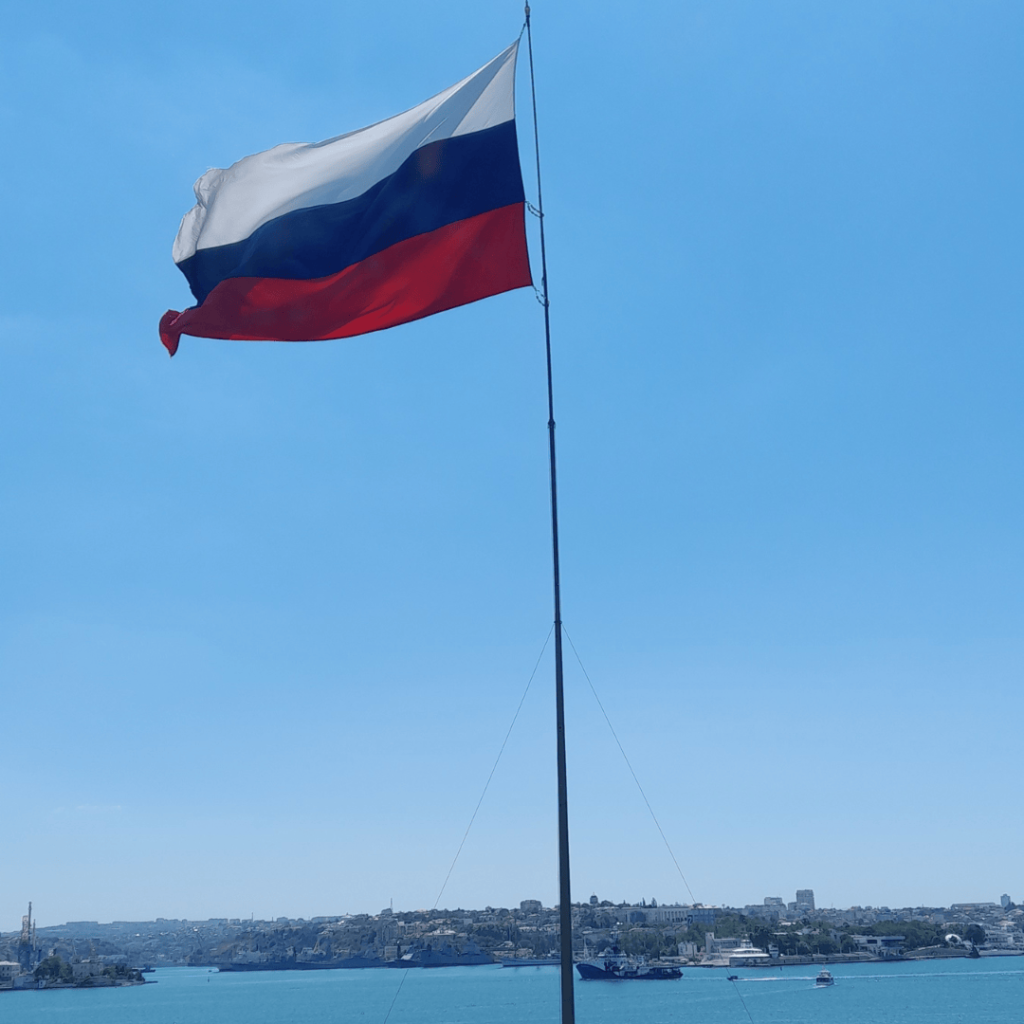 Sevastopol’s bay
Is Crimea part of Ukraine or Russia?
Officially, Crimea is still considered part of Ukraine by most of the international community.
However, in practice, the region has been administered by Russia since its 2014 annexation and is integrated into the Russian Federation as an autonomous republic.
Its administrative capital is Simferopol (Симферополь), and the population is estimated at around 2.3 million (as of 2024, according to Russian data).
Demographic and cultural information
The population of Crimea is a mix of ethnic Russians (majority), Crimean Tatars, Ukrainians, and Karaite Jews. Russian is spoken everywhere, but Crimean Tatar and Ukrainian remain present in some families and communities.
Fun fact: Many young people speak surprisingly good English, much more than in mainland Russia in my opinion (a legacy of the Ukrainian school system, perhaps?).
If you speak some Russian, you might notice Ukrainian linguistic influences: for example, people often say “cho” (what) instead of the Russian “tcho“.
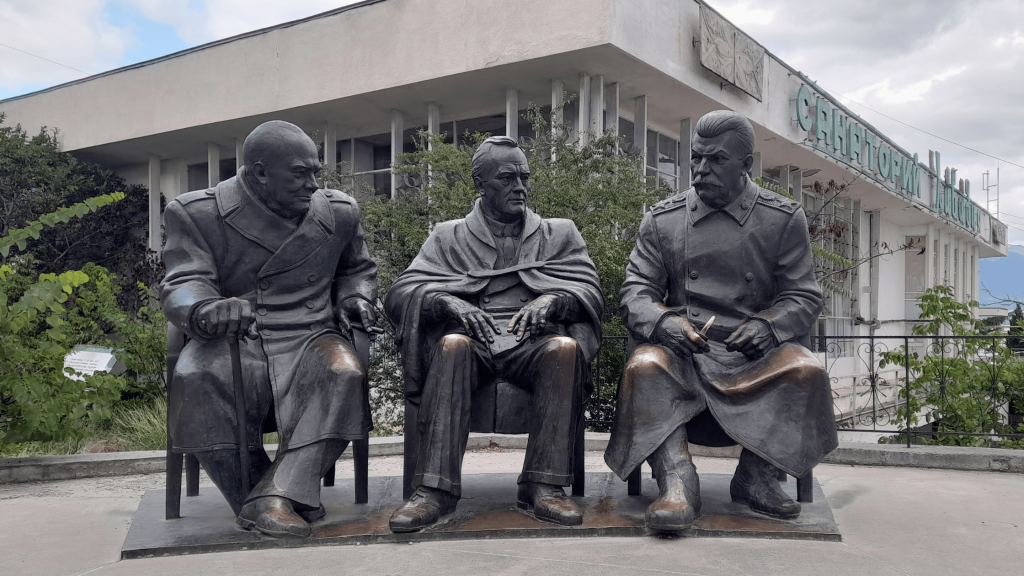 Statue of Churchill, Roosevelt and Stalin, Livadia palace
Religions and traditions
The main religions of the peninsula are Russian and Ukrainian Orthodox Christianity, Sunni Islam (among the Crimean Tatars), and Karaite Judaism.
When visiting places of worship, respect local customs and wear modest clothing: cover legs and shoulders, and women should wear a headscarf in churches and mosques.
Each community maintains its own traditions and religious holidays, which can add a special touch to your stay if you’re visiting at the right time.
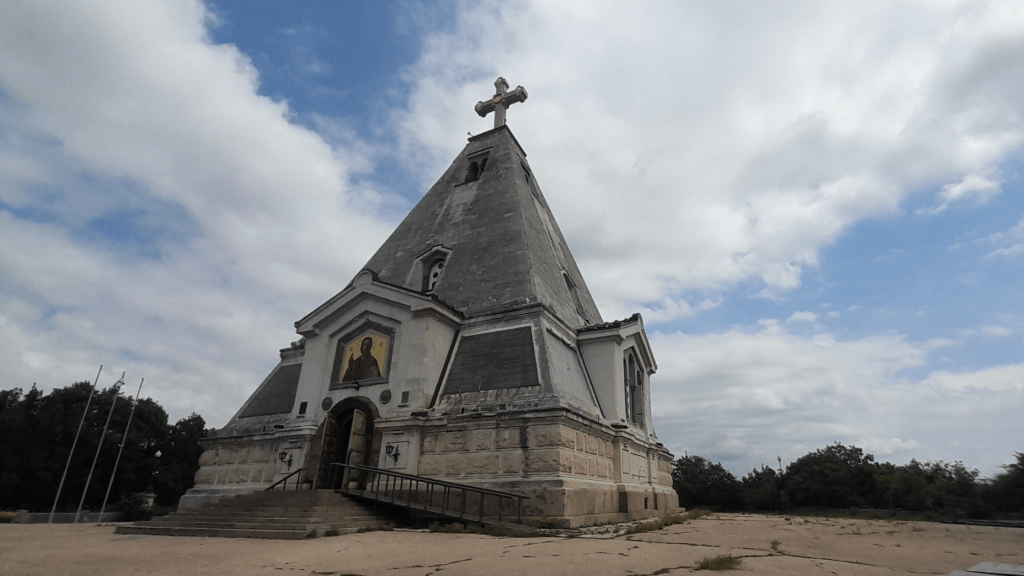 Saint Nicholas church, Sevastopol
Best time to visit Crimea
Summer is clearly the most popular season: beaches, mountain hikes, lively seaside resorts, all under a warm and dry climate.
However, Crimea is worth visiting year-round. Spring is perfect to avoid crowds, autumn offers golden landscapes (the weather was great when I was there during what’s called in Russian “velvet season“), and even winter has its charm, especially in the mountains around Yalta or Bakhchisarai.
Sebastopol or Sevastopol ?
In both Russian and Ukrainian, the city is spelled Севастополь and pronounced Sevastopol with a V.
It is sometimes misspelled as Sebastopol because the cyrillic V looks like a latin B, but the correct form is Sevastopol.
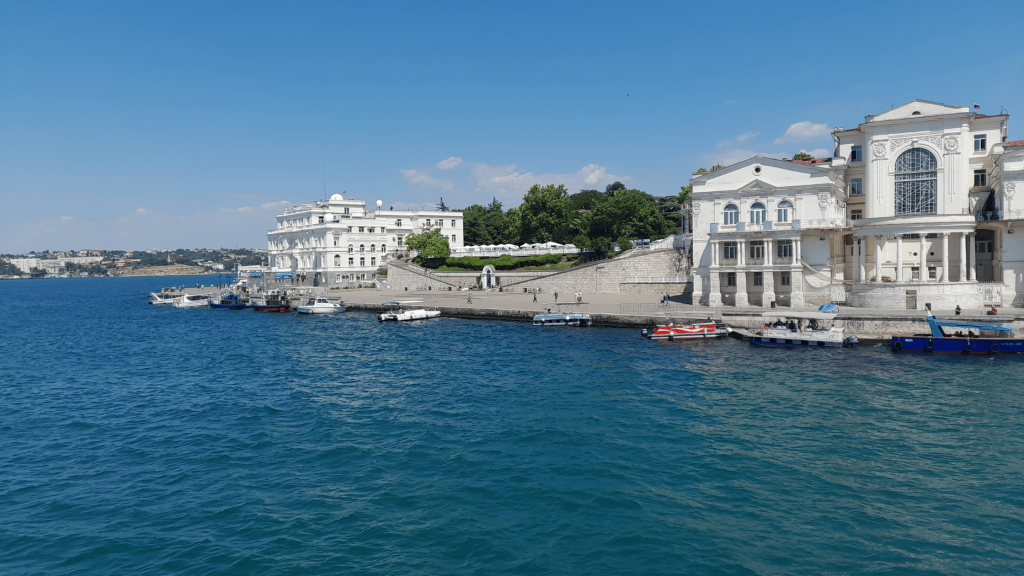 Sevastopol city center
Traveling to Crimea in 2026: Visa, access, legality & money
Do I need a visa to visit Crimea?
From Russia’s perspective, yes, you need a Russian visa if your nationality requires one.
The only way to enter Crimea today is from Russia, crossing the Crimean Bridge (Kerch Bridge), which connects the peninsula to Krasnodar Krai.
From Ukraine’s (and the West’s) perspective, this entry is considered illegal. Ukraine technically requires a special permit from its migration services to enter Crimea, but in practice, this permit is not issued.
Can I enter Crimea from Ukraine?
No. Crossing from Ukraine to Crimea is currently not possible.
The border area, especially in southern Kherson, is closed, militarized, and remains an active front line as of April 2026.
Minibuses connect Simferopol to Donetsk via Mariupol, but this route is largely theoretical for foreign travelers due to military checkpoints.
Useful tip: See the Telegram group Alternative Route to Crimea (in Russian).
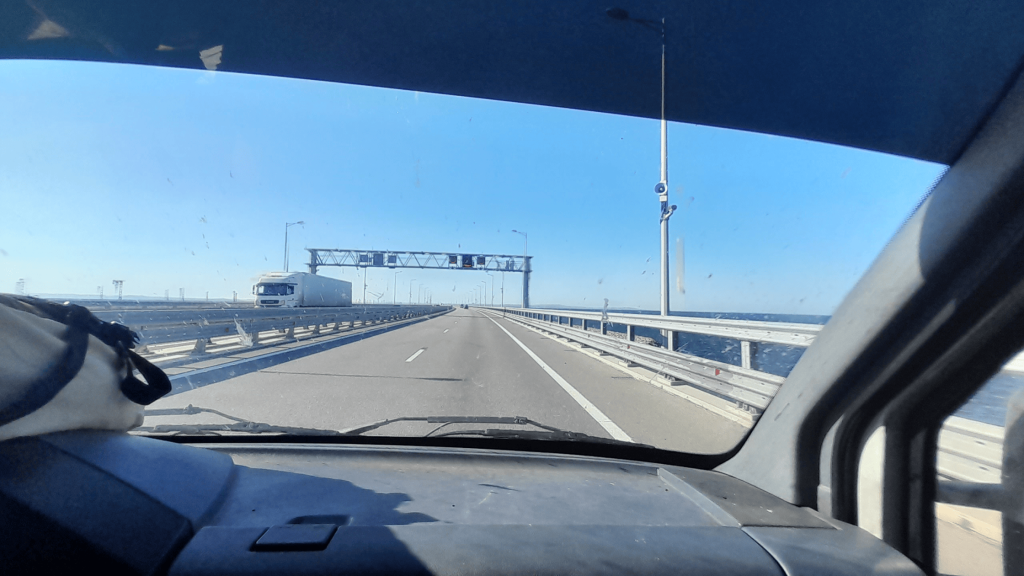 Beginning of the Crimean bridge from the Taman Bay
Bottom line: the only reliable way to visit Crimea is via Russia and the Crimean Bridge, by bus, train, or car.
Note: There is no border checkpoint between Russia and Crimea, as Russian authorities consider Crimea to be part of Russia. However, control and customs checkpoints are set up on both sides of the bridge. Checks are systematic and mandatory for all vehicles and passengers. Read about it in details here.
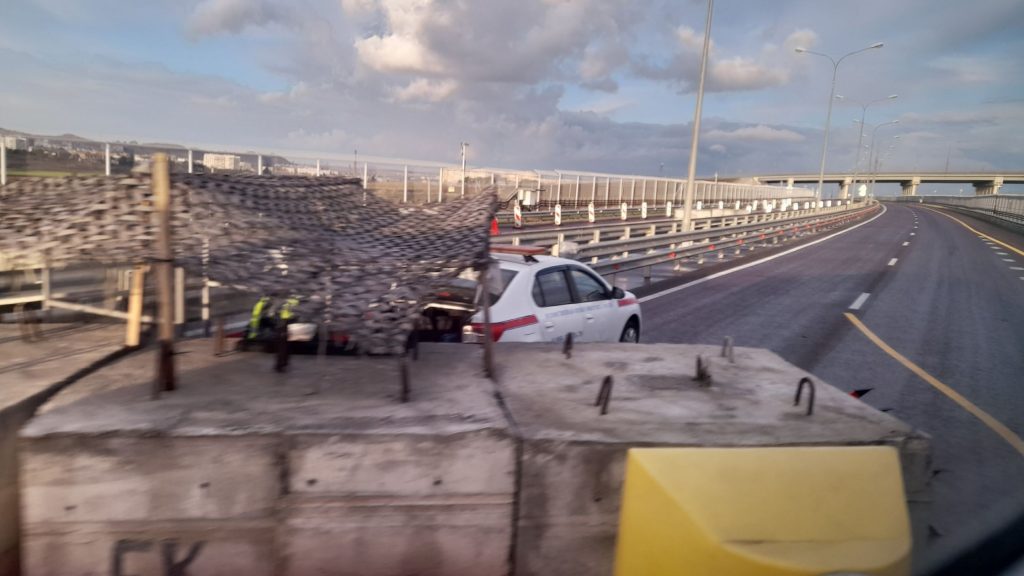


From the Russian authorities’ standpoint, if you have a valid visa, you’re entirely legal.
I share the behind the scenes of my travels (real-time stories, messy bits etc) on Telegram

Which currency is used? Where to exchange money?
Crimea uses the Russian rouble exclusively. All prices are listed in roubles, not in Ukrainian hryvnia.
Important: Visa and Mastercard do not work in Crimea due to Western sanctions since 2014. You cannot pay or withdraw using them.
If you have euros or dollars, you can exchange them at local banks in Crimea.
Can you pay by card in Crimea?
Yes, but only with a Russian bank card.
Since 2024, Tinkoff (now renamed T-Bank) operates in Crimea, followed by Sberbank, which arrived in May 2025. Other large Russian banks like Alfa Bank, VTB, or Gazprombank are not yet present on the peninsula.
The first bank to set up in Crimea was RNKB, and it’s still widely used. I reloaded my Tinkoff card at an RNKB branch in Sevastopol in 2022 with no issue.
If you have a MIR card (Russia’s national payment system), you can pay anywhere in Crimea just like in mainland Russia, with contactless or smartphone payment using SberPay or MirPay.
For ATM withdrawals, no issues either, and no fees if you use your own bank’s ATM (or RNKB for certain cards like VTB or Alfa).

What does Ukrainian law say about entering Crimea via Russia?
According to Ukrainian law, entering Crimea through Russia is illegal. Ukraine considers any unauthorized crossing into Crimea as a violation of its sovereignty.
In practice, this only becomes an issue if you later attempt to enter Ukraine.
 Crimea bridge
Where to stay in Crimea: Accommodation without Booking.com or Airbnb
Hotels, hostels, guesthouses: What are your options?
Before 2014, Crimea attracted plenty of international tourists. Today, tourism is still very much alive, but almost entirely Russian. Families come for the beaches, retirees for wellness retreats, and young travelers for road trips. Foreign visitors are rare, but not unheard of.
The good news? Finding a place to stay in Crimea is easy, no matter your budget. Whether you’re after a seaside hotel, a cozy hostel, a family-run guesthouse, a religious pension, or a simple homestay, you’ll find plenty of options. From Yalta and Alushta to Sevastopol and beyond, there’s always a roof waiting.
Booking without Booking.com or Airbnb: What platforms can you use?
Due to international sanctions since 2014, Booking.com and Airbnb do not operate in Crimea.
But don’t worry, several Russian-based platforms still allow you to book accommodation easily. The most popular are:
• Ostrovok: Russia’s answer to Booking.com, with tons of listings in Crimea. Tip: use the filter “no bank card required” and pay on arrival.
• Yandex Travel: Only available in Russian, but features many of the same hotels as Ostrovok, or actually less.
Note: Zenhotels, Ostrovok’s international (Cyprus-based) version, does not list any accommodations in Crimea, even though it covers mainland Russia.
To book in Crimea, use Ostrovok directly, select “pay on arrival”, and settle in cash when you get there.
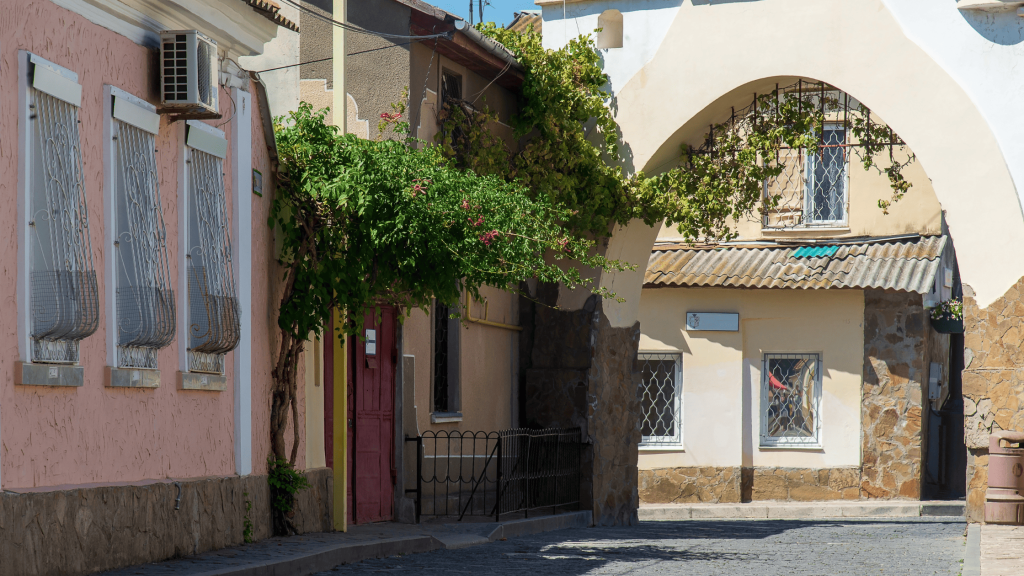 Evpatoria
Staying with locals: The babushka’s homestay experience
For a truly local experience, nothing beats staying in a private home.
Outside bus or train stations, you’ll often spot elderly women (and occasionally men) holding handwritten signs reading: “Остановитесь у нас” (“Stay with us”).
These are usually spare rooms in their homes, modest, but clean and welcoming. Prices vary widely depending on the city, the season, and maybe even how touristy you look, so feel free to negotiate.
It’s an incredible way to experience Crimean hospitality, share a cup of tea and a few words of Russian, and provide sometimes some much-needed income to retirees living on modest pensions.
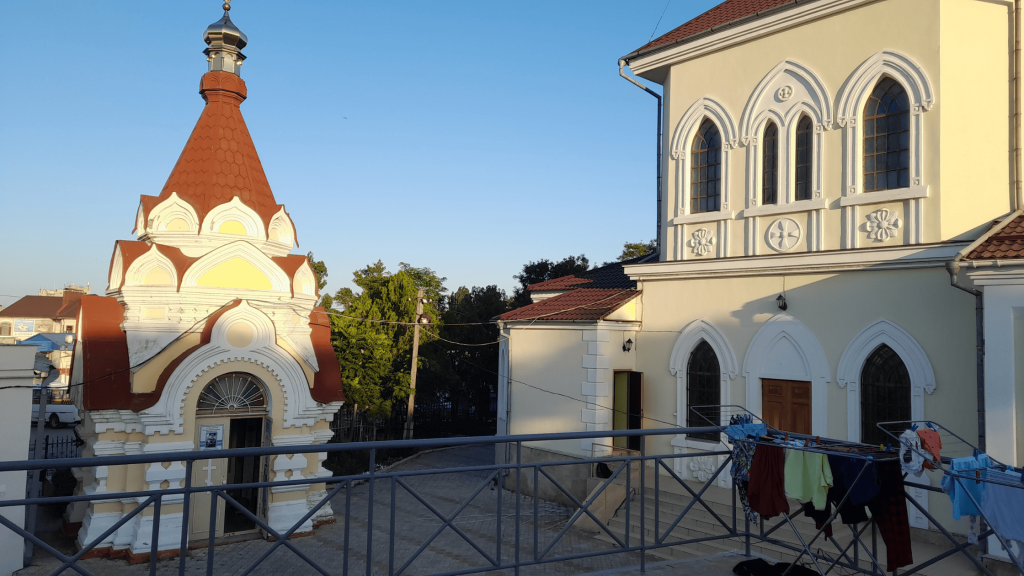 Religious guesthouse in Feodosiya
How to get to Crimea and travel around easily
Flights to Crimea: What’s the current situation?
Simferopol International Airport is currently closed until further notice. There are no commercial flights operating from Russia, Turkey, or elsewhere. The airport in Krasnodar is also shut down.
The closest functioning airports Krasnodar or Sochi (Adler). The later is your best entry point if you’re coming from abroad.
Taking the train from mainland Russia
Direct trains connect mainland Russia to Crimea via the Kerch Bridge, departing from major cities like Moscow, St. Petersburg, Rostov-on-Don, Krasnodar, and Sochi.
These routes serve Crimea’s main stations, including Simferopol and Sevastopol.
The only company operating these trains is Grand Service Express, under the name “Tavria“ trains, a nod to Crimea’s historical region name.
Russia’s national rail operator RZD does not serve Crimea due to international sanctions since 2014.
Where to book your train tickets?
• With a foreign bank card (Visa/Mastercard issued outside Russia):
Use RussianTrain, the site is available in English, and international payment is accepted.
• With a Russian bank card (Mir):
Book directly on Grandtrain.ru (official Grand Service Express site) or via Tutu.ru.
Book early in high season! In summer, especially on routes like Moscow-Simferopol or St. Petersburg-Sevastopol, tickets can sell out weeks (or even months) in advance. If you’re traveling between June and August, plan ahead.
Long-distance buses: A reliable, budget-friendly alternative
When trains are fully booked (which happens often in summer), buses offer a great alternative to reach Crimea.
There are regular departures from Krasnodar, Novorossiysk, Sochi, Rostov-on-Don, and other cities. All routes cross the Crimean Bridge, serving cities like Kerch, Simferopol, Sevastopol, and Yalta.
Where to buy your bus ticket?
• In person at bus stations (to pay cash).
• Online on Tutu.ru (You can pay with a foreign Visa/Mastercard, but only for bus tickets)
Expect to pay a luggage fee based on distance. During high season, it’s strongly recommended to book a few days in advance, especially if you have fixed dates or a tight itinerary.
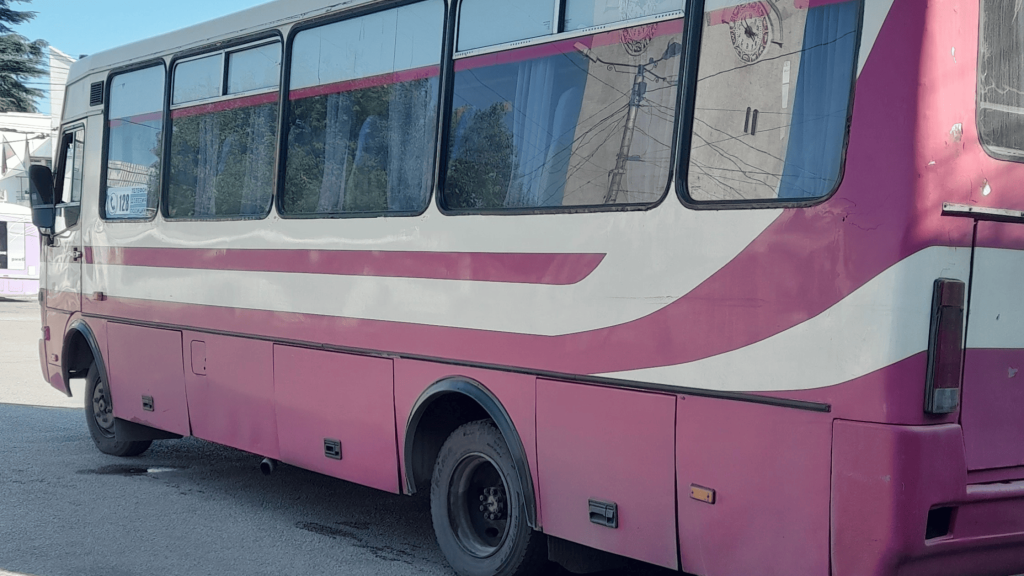 No worries, long-distance buses are more modern than that!
Public transport in Crimea: Buses & marshrutkas
Crimea has a very dense public transport network.
You’ll find buses and marshrutkas (shared minivans) connecting nearly every city, town, and beach resort across the peninsula.
They run all day with frequent departures, especially from major bus stations in Simferopol, Sevastopol, and Yalta.
This is by far the simplest, most affordable, and most practical way to get around Crimea.
Tickets are sold at the station counters or directly to the driver if you hop on a marshrutka along the road.
Bonus: Some drivers take unexpected “shortcuts” through countryside roads or pothole-ridden lanes… Enjoy the ride!
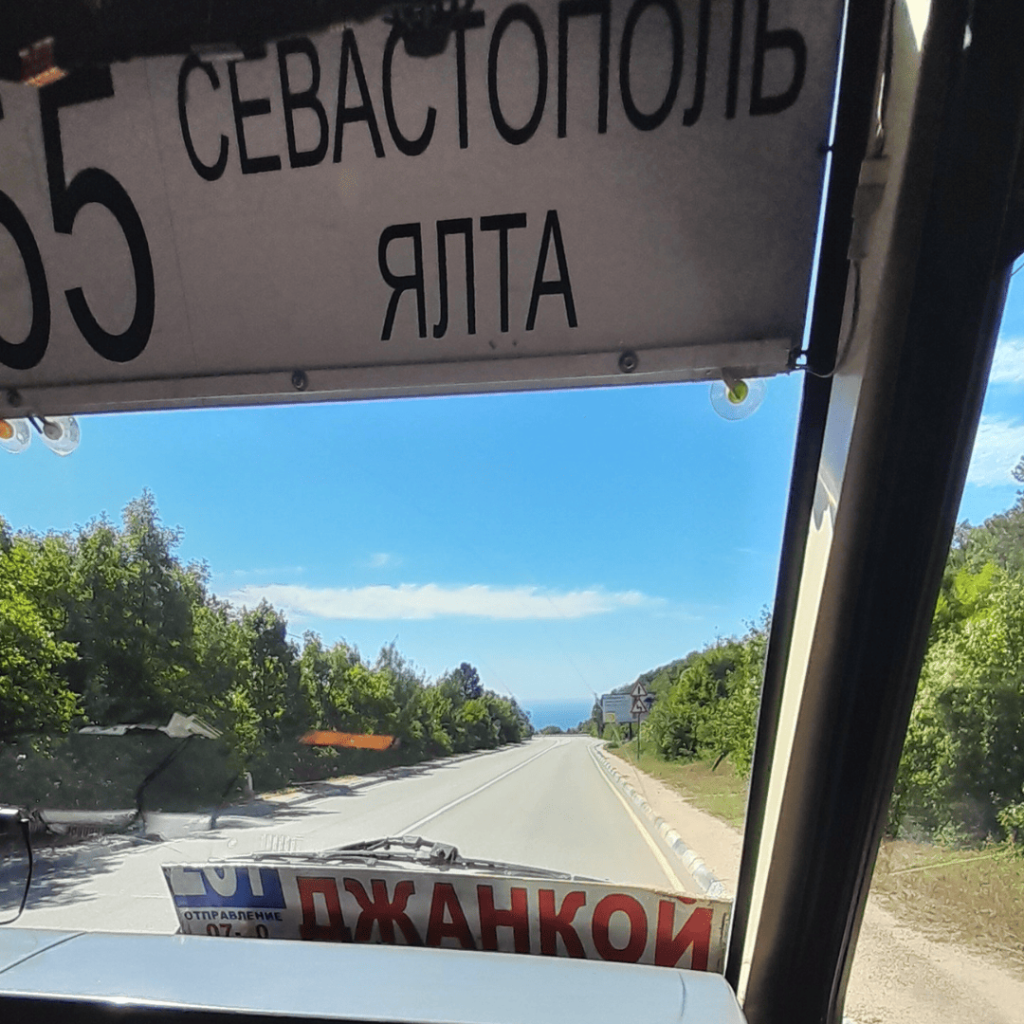 Bus between Sevastopol & Yalta
What taxi App works in Crimea in 2026?
Yandex Go (Russia’s version of Uber) does not operate in Crimea. Instead, locals mainly use Maxim Taxi, available on both Android and iOS.
Taking the ferry in Sevastopol
In Sevastopol, ferries cross the bay to connect the city center (south side) with the Severnaya district (north side).
They run daily, every 30-45 minutes, and are open to both pedestrians and vehicles.
• Price: 35₽ per person (on foot), or 30₽ with a Russian card -about the same as a bus ticket.
• Tickets are purchased directly at the dock before boarding.
Taking the ferry is much faster (and way more scenic) than going around the entire bay by road.
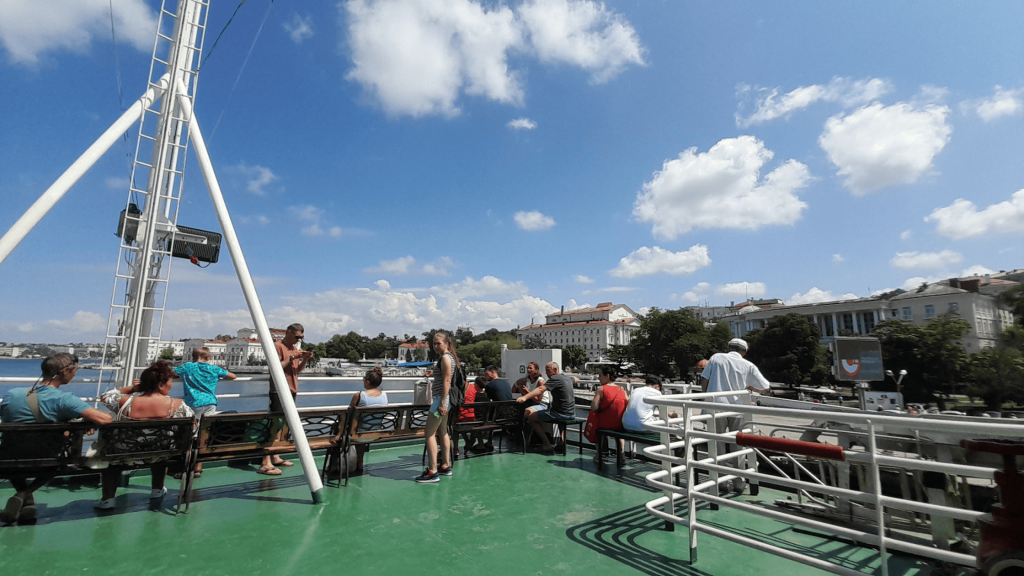 Ferry from Sevastopol city center
There are multiple docks on both the southern and northern sides.
For example, if you’re heading to Evpatoria, the relevant bus station is located on the north side, right next to Severnaya Bukhta ferry terminal.
Note: There are currently no international ferries to or from Crimea.
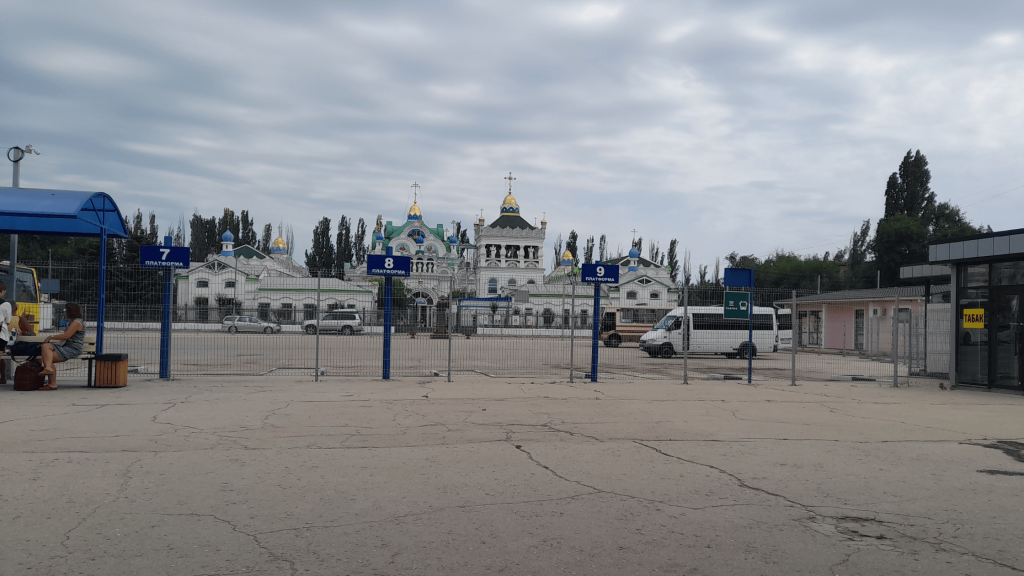 Feodosiya bus station & Saint Catherine church
 Krasnodar bus station N°1
Daily life in Crimea: Mobile networks & groceries
SIM cards and internet access in Crimea
Since January 2025, a new Russian law has made it nearly impossible for foreigners to purchase a SIM card without being registered on Gosuslugi. More info in this dedicated article.
But what about Crimea?
Honestly, it’s unclear whether this rule is strictly enforced there. During my trip, I had no problem buying a local SIM card.
In Sevastopol, right in front of the bus station, a woman was running a Volna Mobile stand under a parasol, offering ready-to-use SIM cards for tourists. (She might still be there!) If you’ve had a more recent experience, feel free to share it in the comments.
Which mobile operators are available in Crimea?
• Volna Mobile, the one I used. Good coverage in towns and villages, but signal can be patchy along the Great Sevastopol Trail.
• Win Mobile, slightly less popular.
Already have a Russian SIM (e.g. MTS, Megafon)?
It will work in Crimea, but without a “Crimea-specific” plan, you’ll be in roaming mode, and fees can add up fast.
A VPN is highly recommended
Network geolocation can be unpredictable, sometimes you can be in Russia, sometimes in Ukraine. As a result, different websites may be blocked depending on your virtual location (Instagram, Facebook, RZD, etc.). I use VPN.ac which I find very reliable in Russia (double hop Russia-Netherlands available).
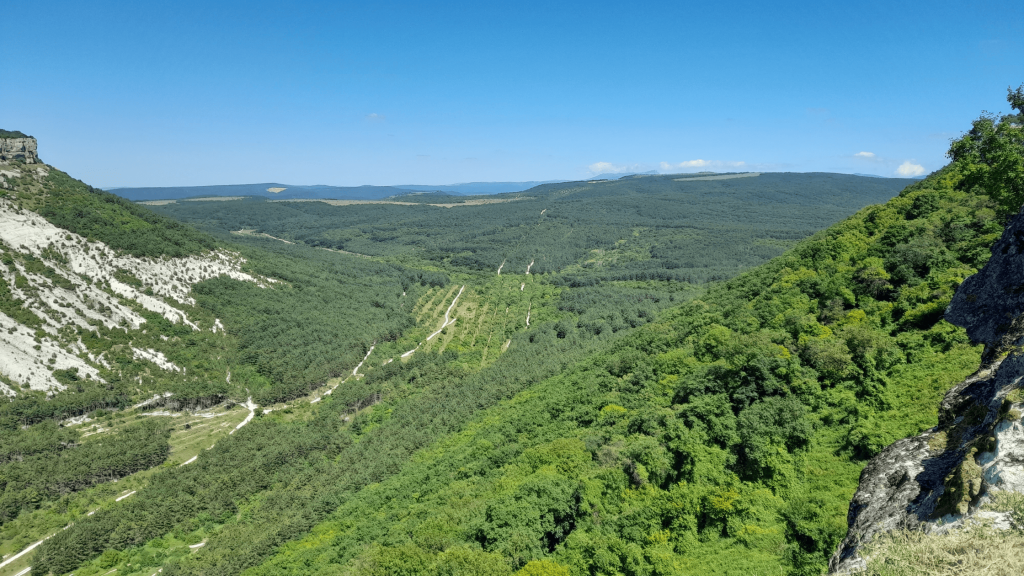 View from Mangup-kale
Grocery shopping and everyday essentials in Crimea
Forget Western chains or major Russian supermarkets, you won’t find Pyaterochka or Magnit in Crimea.
Instead, you’ll shop at well-established local chains, such as:
• PUD (ПУД), everywhere and convenient, it’s your go-to neighborhood grocery store.
• Yabloko (Яблоко), another local option.
• And despite sanctions, a brand-new Auchan opened in Simferopol in 2024.
Shelves are well stocked with classic Russian products and many “Made in Donbass” ones. Contrary to popular belief, there are no shortages in the stores.
Fun fact: Some popular Russian brands operate under different names in Crimea.
For example, the famous alcohol chain Krasnoye i Beloye (“Red & White”) exists in Crimea under the name Eda i Voda (“Food & Water”).
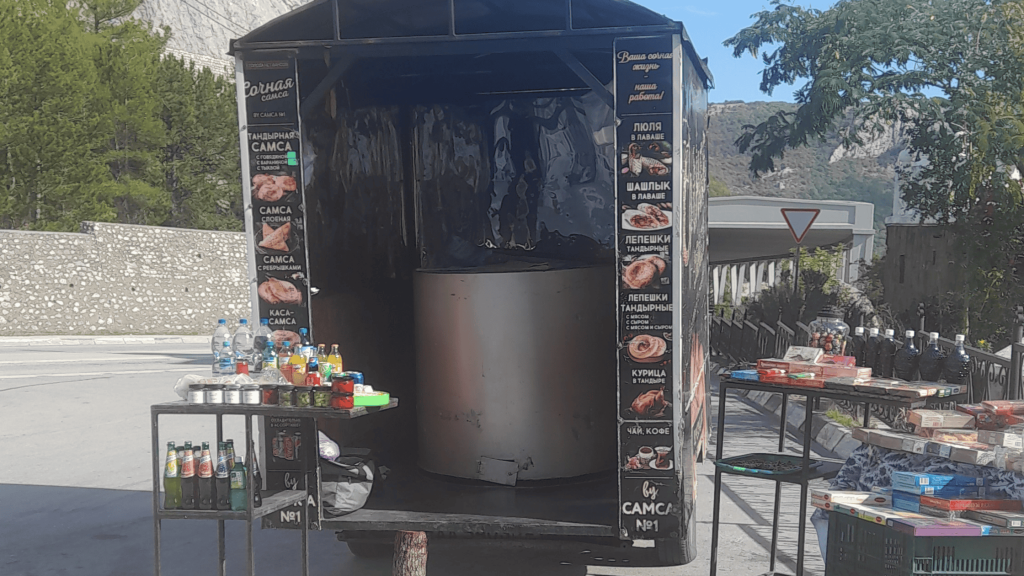 Samsa sold along the road
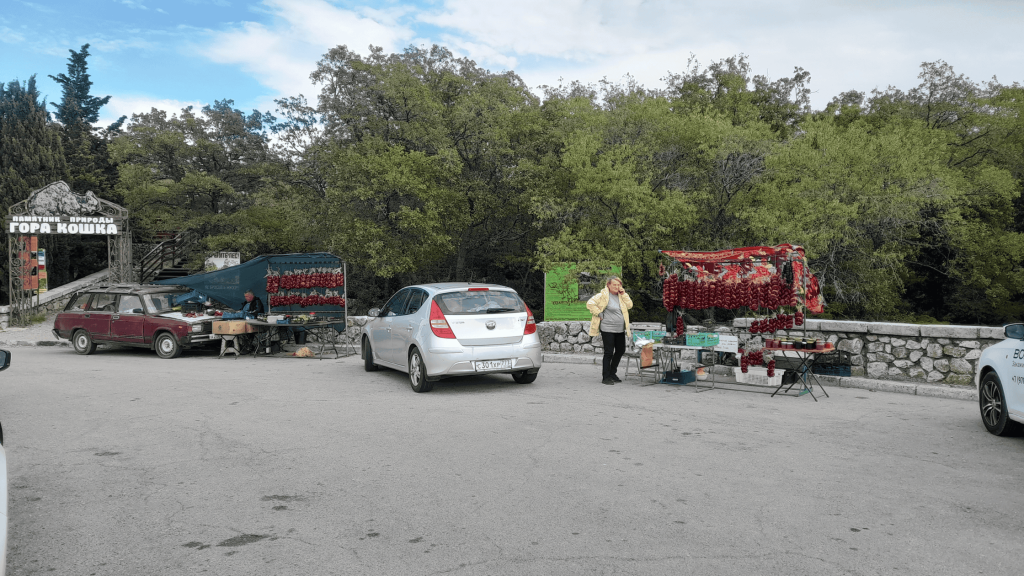 Yalta Red Onions sold along the road
For fresh produce, nothing beats the open-air markets: Fruits, vegetables, cheese, fish… most of it is locally grown or caught.
The Yalta market is especially worth a visit, colorful, lively, and overflowing with seasonal products: tomatoes, melons, watermelons, and the iconic Yalta onions.
Prices are roughly the same as in Moscow, sometimes a bit lower when it comes to local goods.
What to eat in Crimea? Tatar cuisine and local specialties
Tatar Cuisine: The culinary soul of Crimea
Crimean Tatar cuisine is everywhere on the peninsula, it’s deeply rooted in the region’s identity. You’ll find these traditional dishes in cafés across Crimea, especially in Bakhchisarai, the historical Tatar capital.
Must-try dishes:
• Cheburek: A local favorite. A deep-fried flat bbread stuffed with beef or lamb. You’ll see it everywhere.
• Yantiq: A lighter version of cheburek, pan-cooked instead of deep-fried.
• Kobete: A meat-and-rice pie, hearty and satisfying.
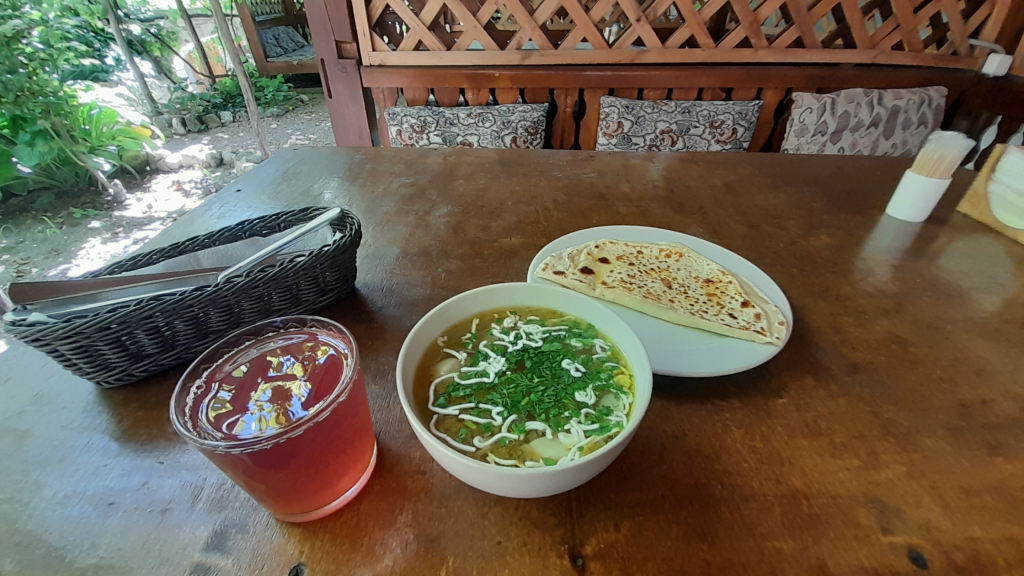
• Shorba: A rich meat and vegetable soup, full of flavor and aroma.
📍 Where to try it: Eskisehir in Bakhchisarai, charming traditional outdoor seating, homemade food, and super welcoming staff.
Karaite cuisine: Unusual flavors in Evpatoria
The Karaites, a small Turkic-speaking Jewish community, have preserved a rare culinary heritage that you’ll mainly find in Evpatoria, especially in the Little Jerusalem district – the heart of Karaite life in Crimea.
Dishes worth trying:
• Chir-Chir: A thinner, crispier version of cheburek made the Karaite way.
• Kybyn: A baked meat pie filled with lamb and onions.
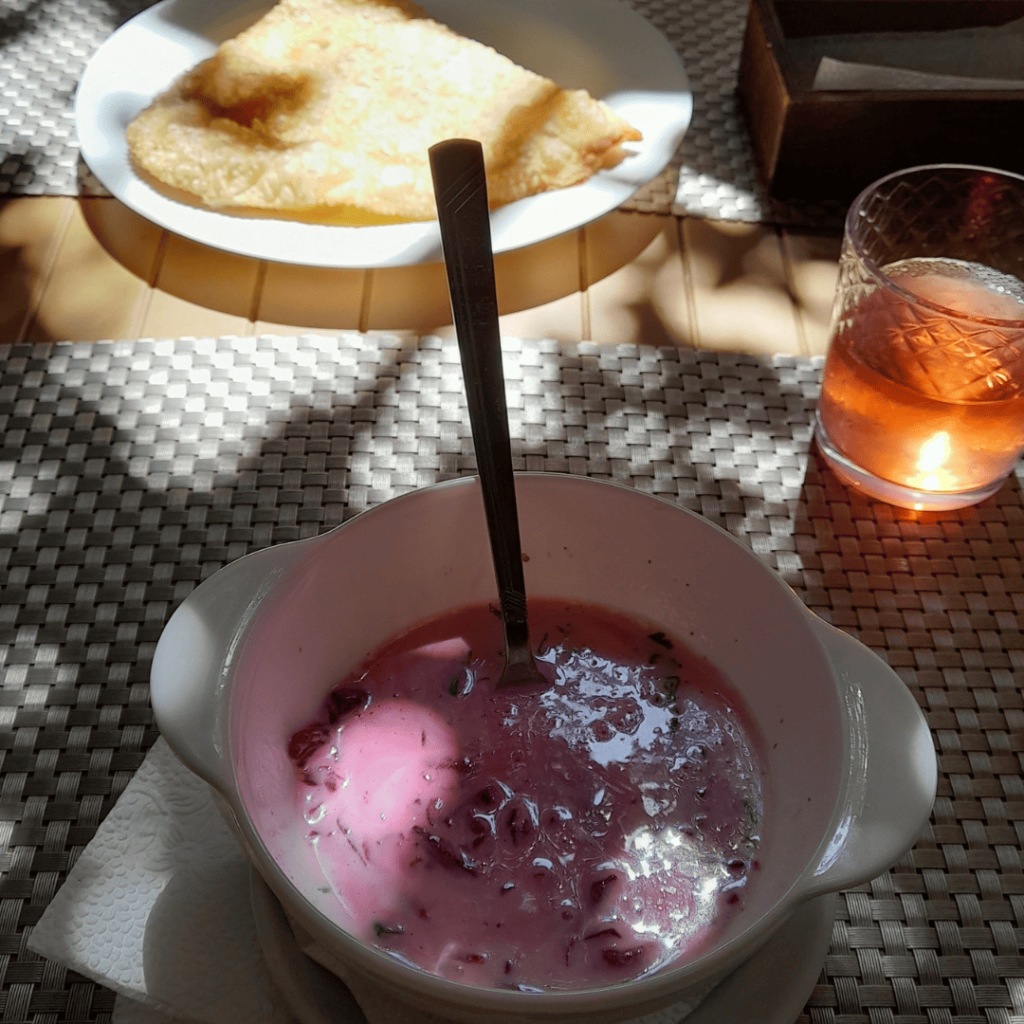
• Suvuk Shorba: A refreshing cold soup made with kefir, beetroot, and herbs. Similar to okroshka, but with a local twist.
📍 Where to try it: Karaman Kafé in Little Jerusalem: warm service, unique menu (they have “Khazar” shashliks).
More crimean specialties: Rapanas & Donbass ice cream
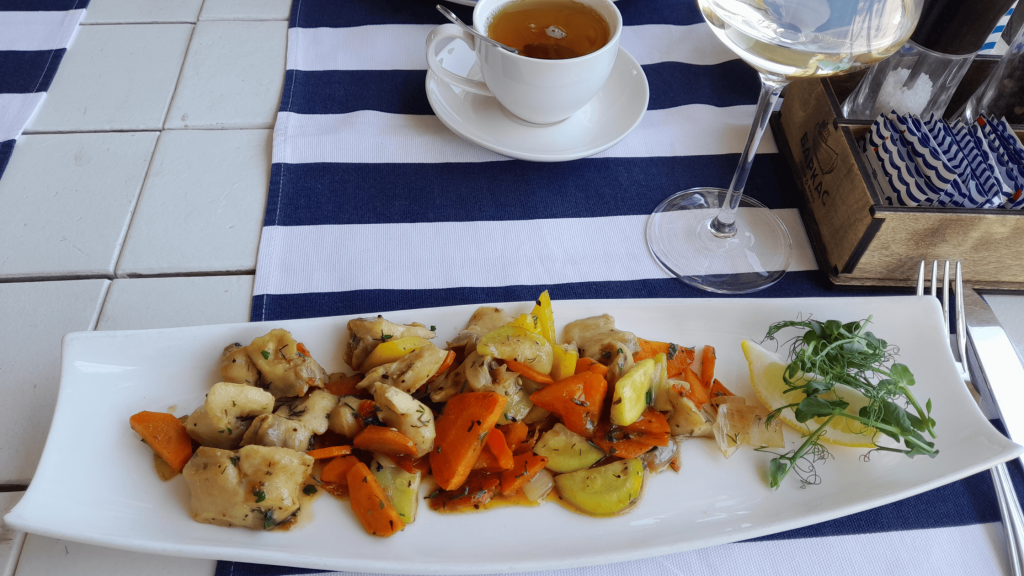
• Rapanas (Black Sea whelks)
These shellfish are a classic seaside dish in Crimea. Usually sautéed with sauce and vegetables or pasta. I tried them multiple times, always delicious, though a bit pricey by local standards.
📍 Where to try: Ribny i Viny in Balaklava, tucked in a quiet alley, a fantastic little seafood spot.
• Russian-style ice cream (or from Donetsk)
Hard to miss, sold in nearly every local shop freezer. Creamy, rich flavor. A brand to look out for: Gerkules (Геркулес), made in Donetsk.
Crimean Wine: legendary sweet wines and surprising discoveries
It’s impossible to talk about Crimea without mentioning its wine. The peninsula has an ancient winemaking tradition dating back to Antiquity with the Greeks, later developed through the Byzantine and Genoese periods. Crimean wines gained true international recognition under the Russian Empire, notably thanks to Prince Lev Golitsyn.
The climate of the southern coast, between sea and mountains, is particularly well suited to viticulture. You’ll find both international grape varieties (Riesling, Cabernet, etc.), as well as rare indigenous grapes such as Kokur belyi and Ekim Kara.
But what truly makes Crimean wine unique is its sweet fortified wines, considered among the best in the world.
The most famous winery remains Massandra, known for its dessert and fortified wines (muscat, tokay, port…). The estate’s historic collection is one of the most impressive in the world, with century-old bottles still available for purchase… if you have the budget.
Personally, I’m not a big fan of red wine: I prefer dry whites, sparkling wines, and sweet/fortified wines. Here are a few recommendations based on what I’ve tasted (and what I’ve been advised during my travels across the peninsula – I’ll definitely need to come back and do a proper Crimean wine route 😉):
• Massandra
A benchmark for sweet wines. I particularly enjoyed their Muscat Blanc (the most famous being Muscat Blanc Red Stone – Мускат белый Красного камня). They also produce Kokur, tokay-style wines, and even a recreation of the legendary “Seventh Heaven of Prince Golitsyn”.
• Zolotaya Balka
Very good sparkling wines from the Balaklava range, the Brut Chardonnay is especially enjoyable. On the other hand, I was much less convinced by their still wines (the entry-level ZB range).
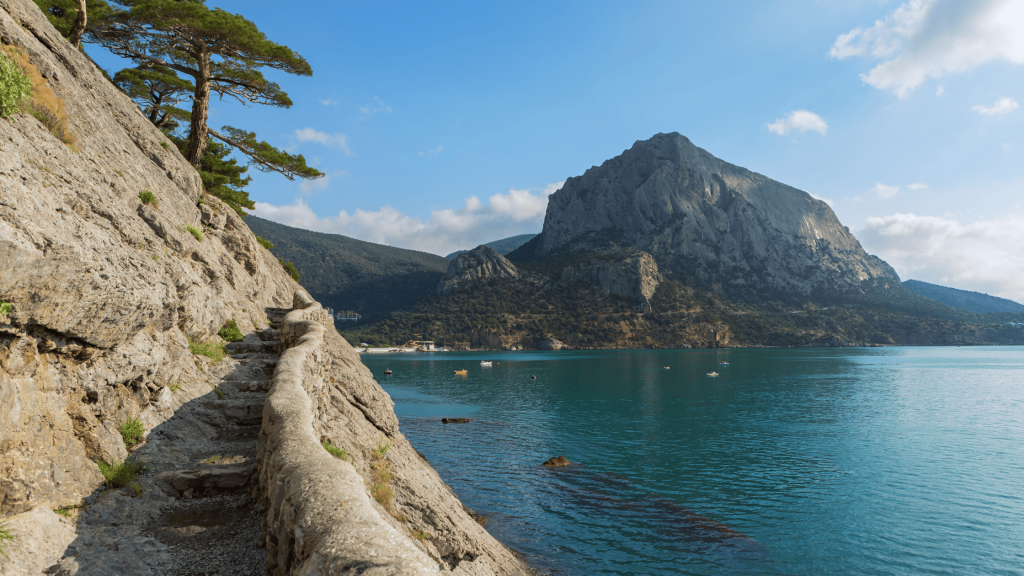
• Novy Svet
A historic estate known for its sparkling wines. Some cuvées are definitely worth trying, I was recommended a Pinot Gris sparkling wine.
• Some dry white wines to try
Kokur from Solnechnaya Dolina, or Rieslings produced by Alma Valley.
In short, there are hundreds of references in Crimea, ranging from historic estates to newer small producers. I found the quality to be very uneven, but that’s also what makes exploring it so interesting.
I recommend checking the wineries’ official websites directly (they are often very well made) and using platforms like RBK Vino to filter by grape variety and find more detailed information.
For the best ones, the safest option is still to ask a local wine shop for advice. Otherwise, on labels, terms like “vintage”, “réserve”, or “prestige” (written in French/Latin letters or Russian) usually indicate more premium cuvées, although this is not a strict rule.
 Golitsyn trail in Novy Svet
Is it safe to travel to Crimea in 2026?
What Western governments say
Most Western governments strongly advise against all travel to Crimea. That doesn’t necessarily mean the region is actively dangerous, but the warnings come from two main factors:
• Non-recognition of Russia’s annexation of Crimea;
• Geographic proximity to active conflict zones in southern Ukraine.
Disclaimer :
Traveling to Crimea is done at your own risk. This blog reflects my personal experience and is not intended to override your foreign ministry’s travel advisories. I take no responsibility for your travel decisions.
My personal experience as a tourist
To be honest? I felt safe the entire time.
I spent over a month and a half in Crimea and never felt unsafe or even uncomfortable.
Locals were friendly and warm. Some were surprised to learn that I was French, but always welcoming. Many are from Donbass or of Russian origin and seemed content with the current situation.
Russian tourists didn’t seem worried either, life goes on as normal. Beaches are busy, markets are lively, and marshrutkas (shared minibuses) are packed as ever.
 Sudak fortress
A note on military presence & potential instability
Crimea isn’t a war zone, but it is highly militarized. Especially around Sevastopol, it’s common to see:
• Warships and submarines in the bay (daily “parade”, but they are mostly based in Novorossiysk now),
• Helicopters and the drones flying in the sky,
• Military convoys on major highways (but no road checkpoints across the peninsula).
As of 2026, Crimea isn’t a place under direct attack, but its closeness to real conflict zones is something to keep in mind, especially if you’re traveling with kids or uncomfortable with a militarized environment.
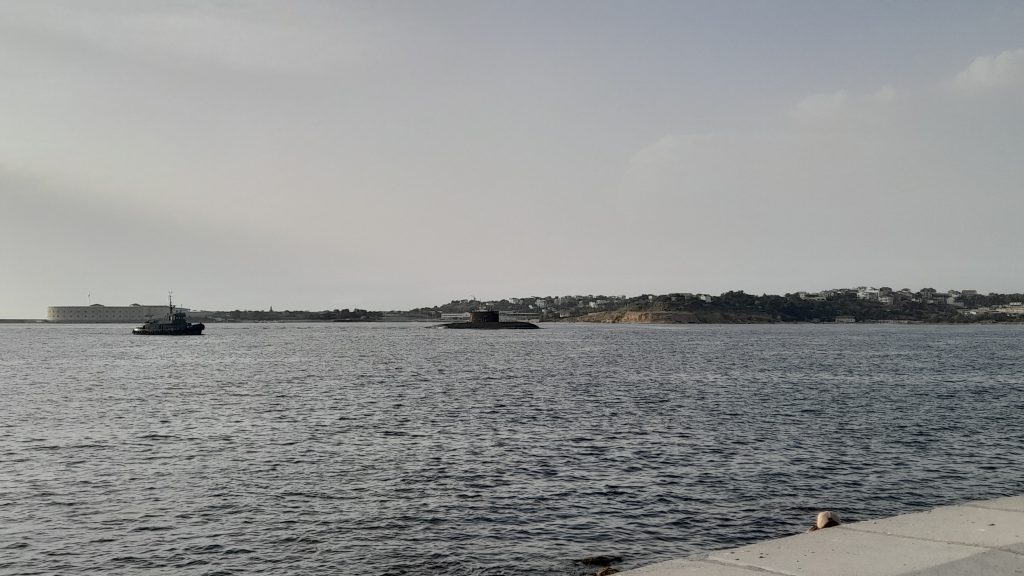 Submarine in Sevastopol’s bay
Top 5 things to do in Crimea in 2026: Unmissable experiences
Crimea is packed with historical, cultural, and natural treasures. From imperial cities and multicultural towns to wild mountains and hidden beaches, here are 5 must-do experiences if you only have a few days.
For more, check out my post on the 18 must-visit places in Crimea.
1. Explore Sevastopol, a historic and strategic city
It’s way more than a naval base. Sevastopol is a mix of history, architecture, secluded coves, rides, and elegant streets. It has a unique vibe. Honestly, it’s one of the most beautiful cities I have visited in Russia.
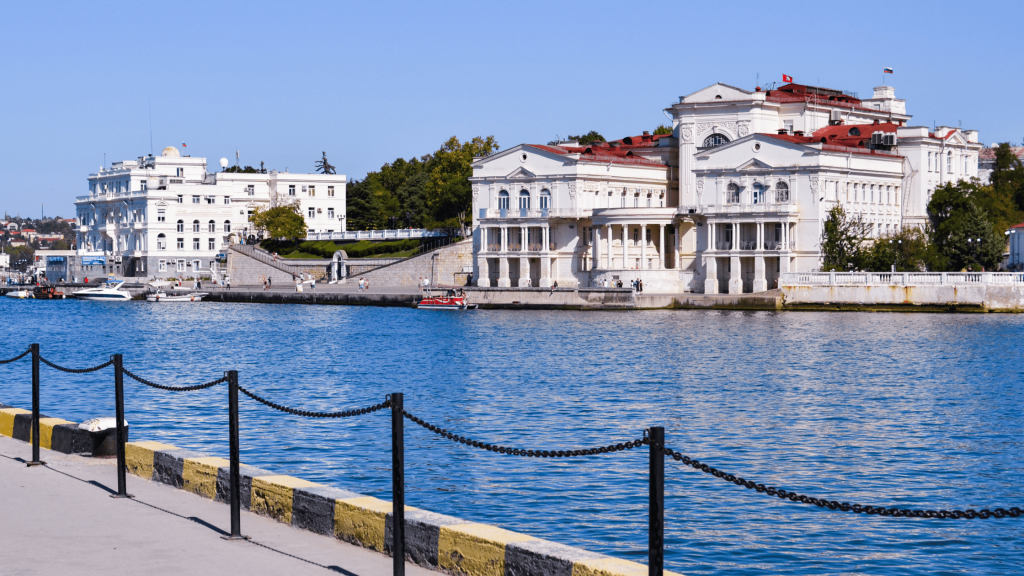 Sevastopol’s waterfront
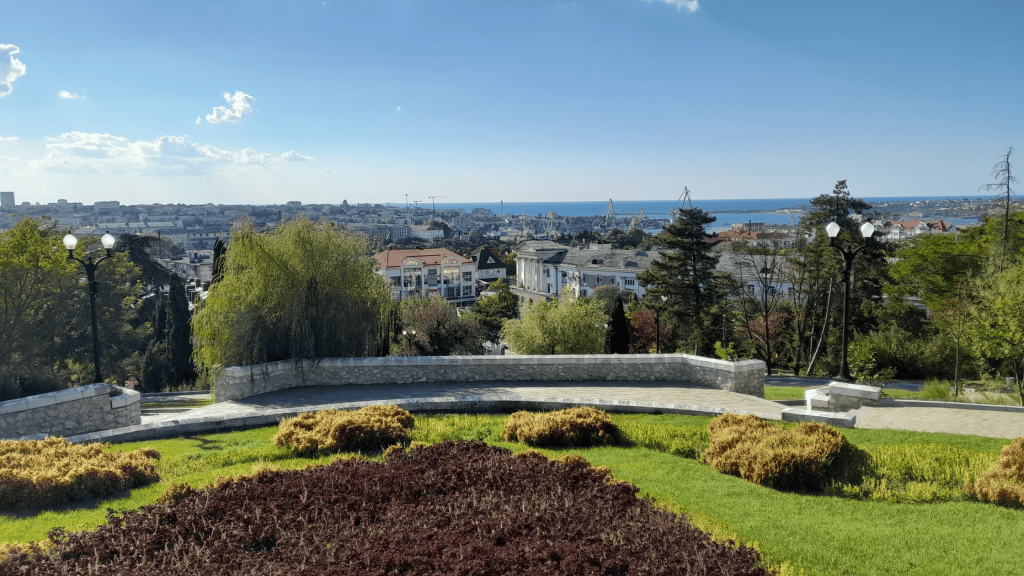 View from Malakoff Kurgan
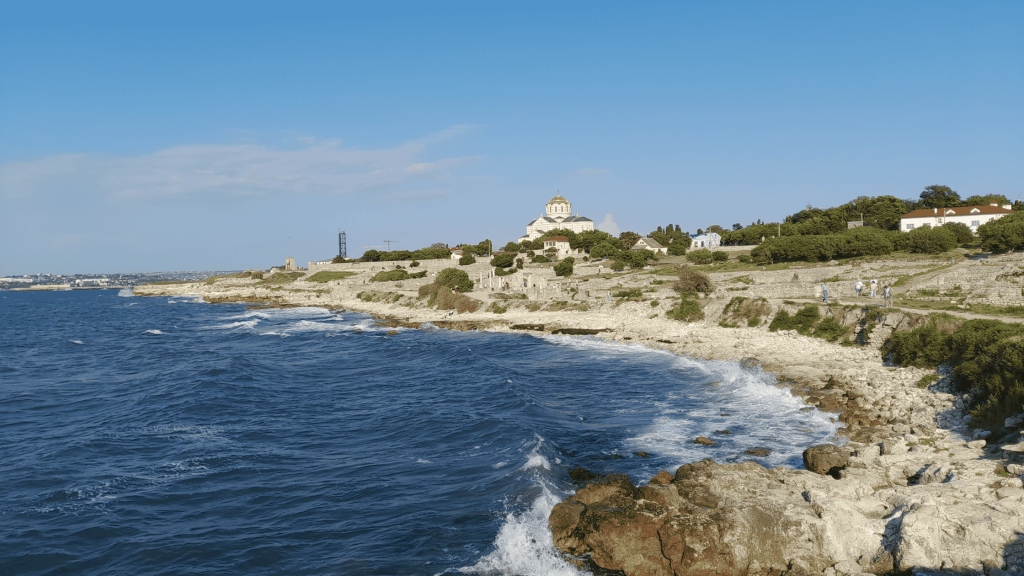 Saint Vladimir Cathedral in Chersones
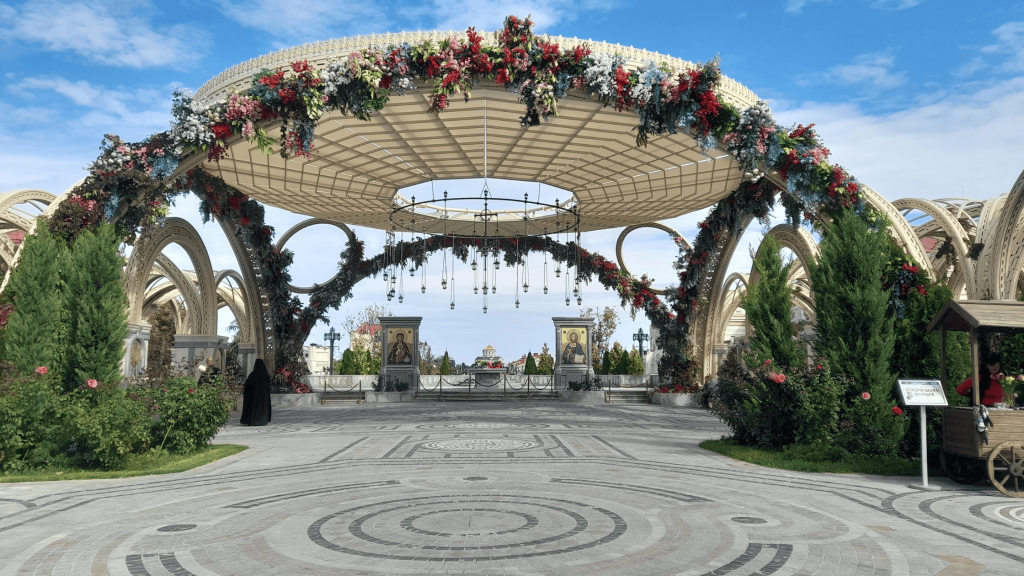 New Chersones museum complex. That’s an open-air church
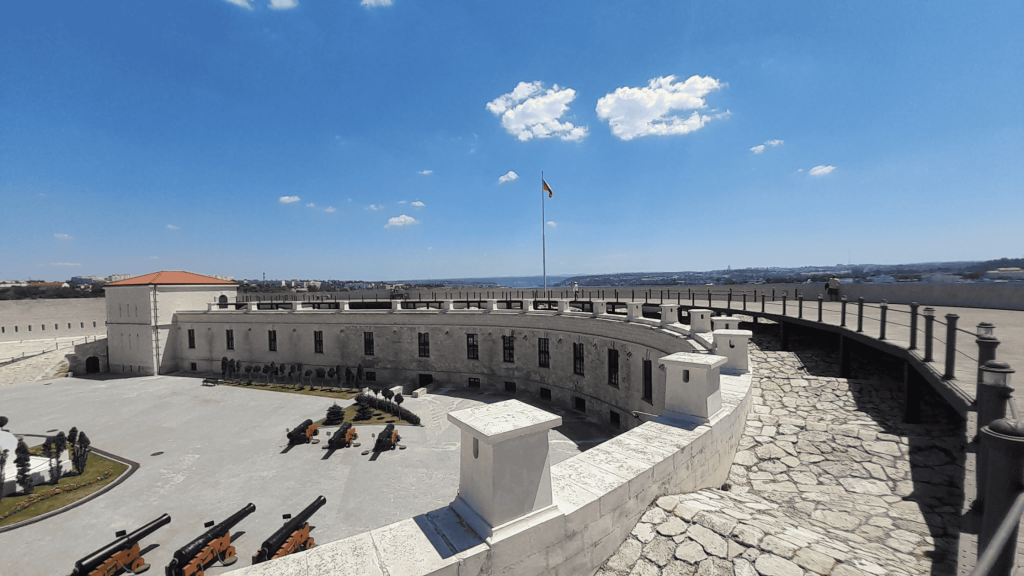 Mikhailovskaya battery fort
2. Discover Evpatoria’s old town, Crimea’s “little Jerusalem“
Often overlooked by travelers, Evpatoria is a hidden multicultural gem: in one district alone you’ll find a synagogue, mosque, Armenian, Greek, and Orthodox churches.
It’s surprisingly peaceful, very different from the actual Jerusalem. Don’t miss Crimea’s only tramway, which runs through the city center.
Fun fact: the city is wheelchair-accessible, a Soviet-era legacy from when Evpatoria was a spa destination.
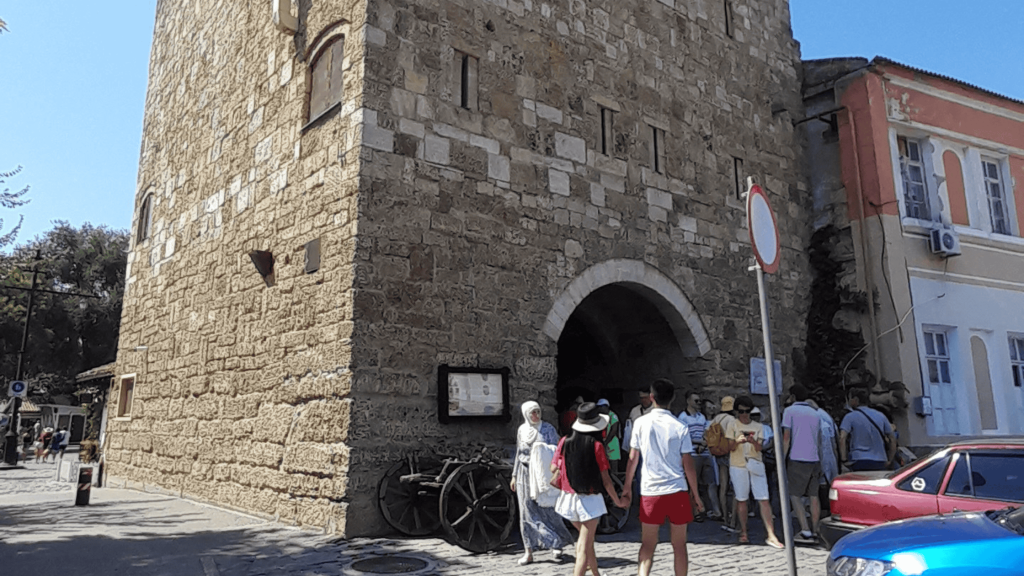 Gezlev gate
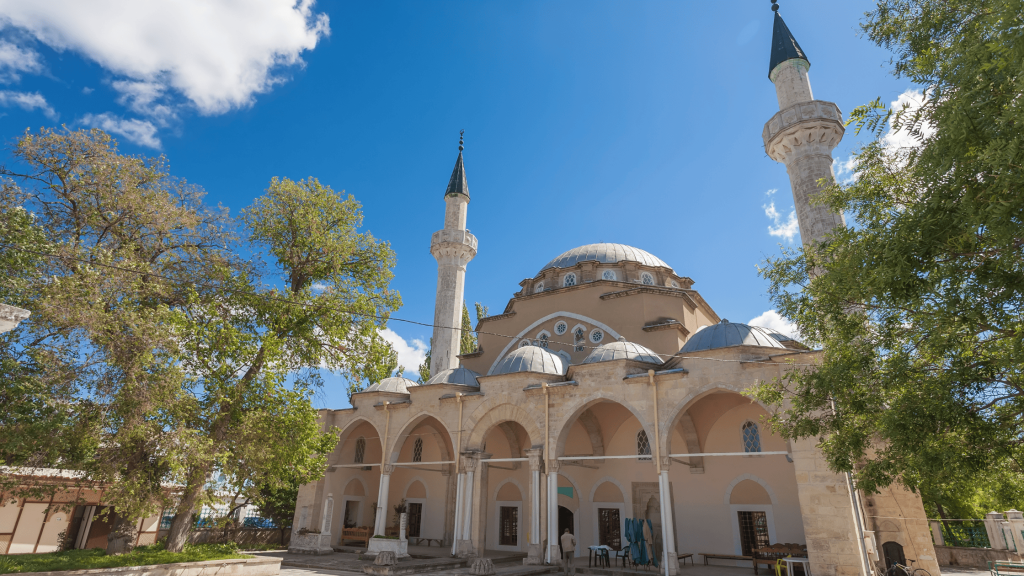 Juma-Jami mosque
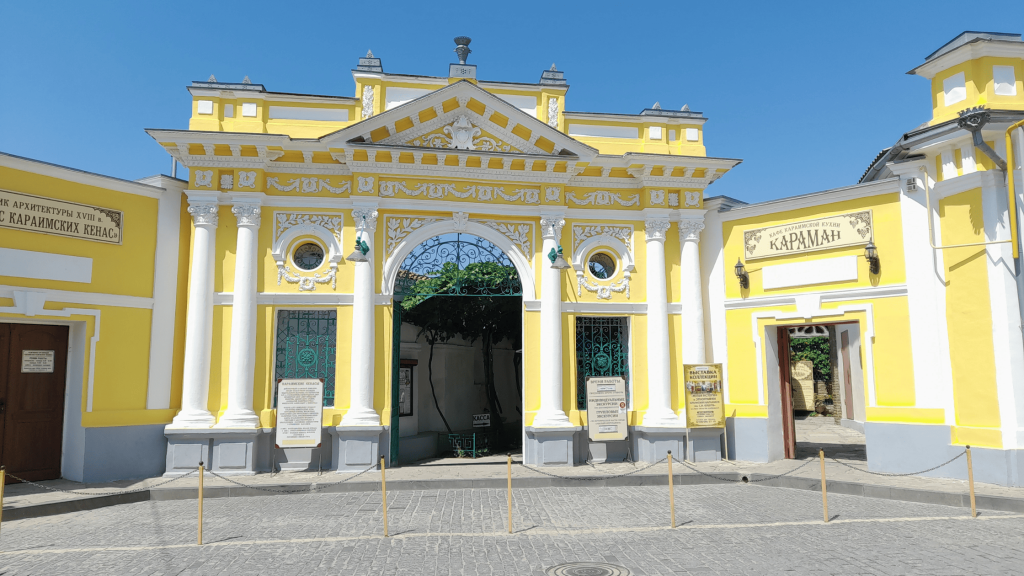 Entrance of the Karaite Kenassa
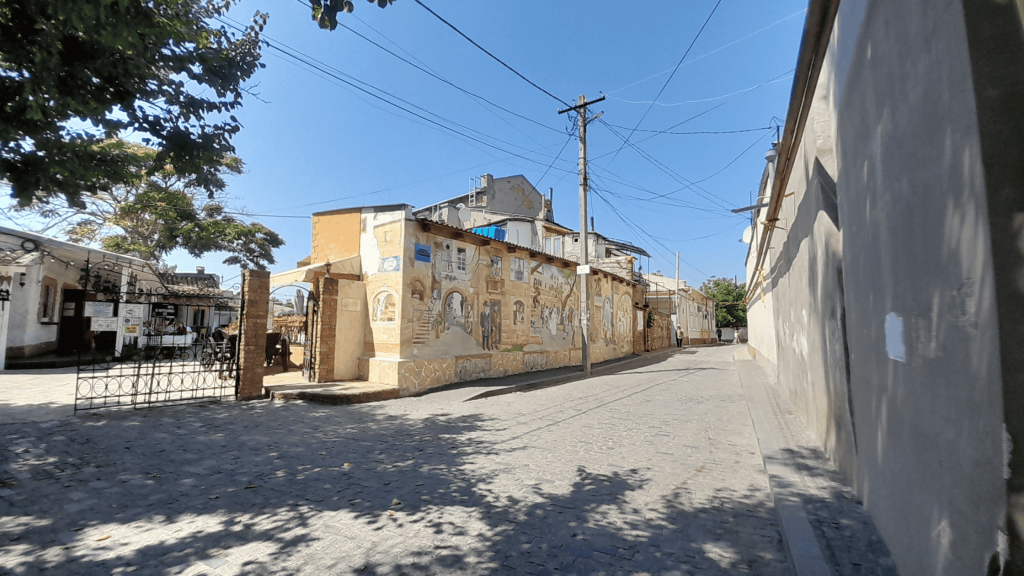 Little Jerusalem district, in the old town
3. Visit the palaces around Yalta
Want to walk in the footsteps of tsars and world leaders? Head to Yalta, a coastal resort between sea and mountains. Just a few minutes away by marshrutka:
• Livadia Palace, where the 1945 Yalta Conference took place,
• Vorontsov Palace, with its Scottish castle vibes,
• Massandra Palace, a romantic little gem,
• Swallow’s Nest, a fairytale-like Gothic mini-castle perched on a cliff.
My personal favorite: the gardens at Vorontsov Palace are absolutely stunning.
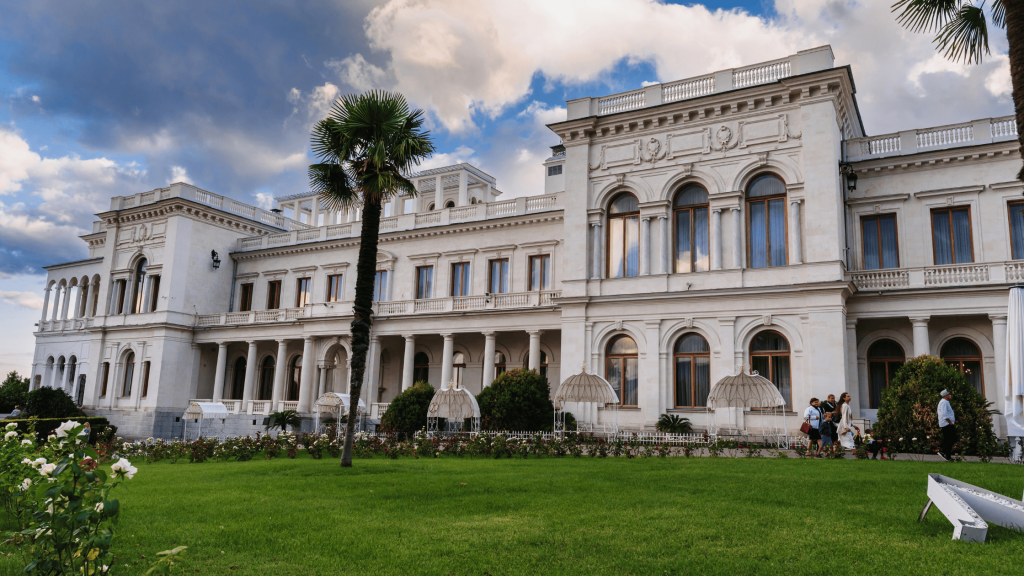 Livadia palace
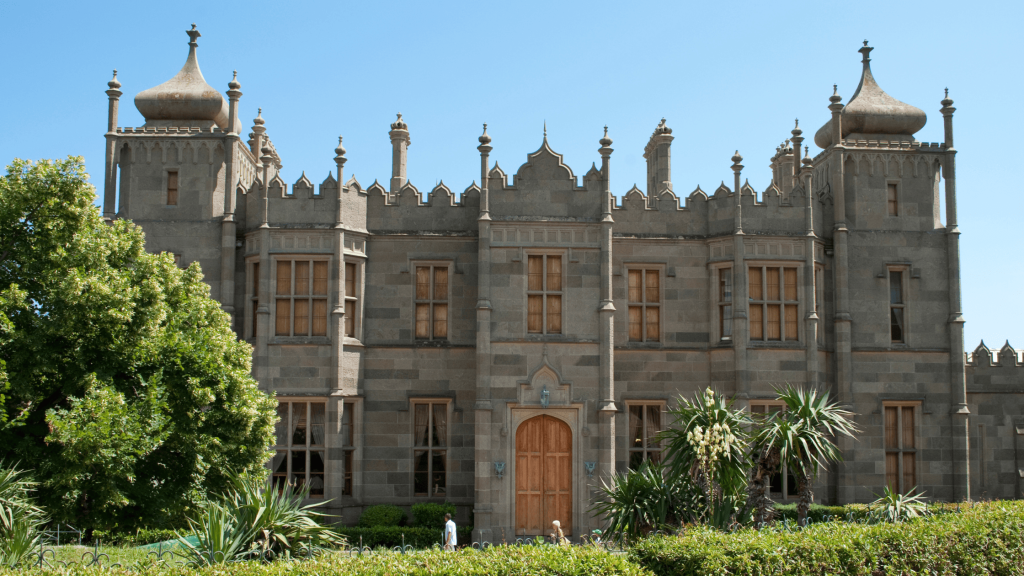 Vorontsov palace
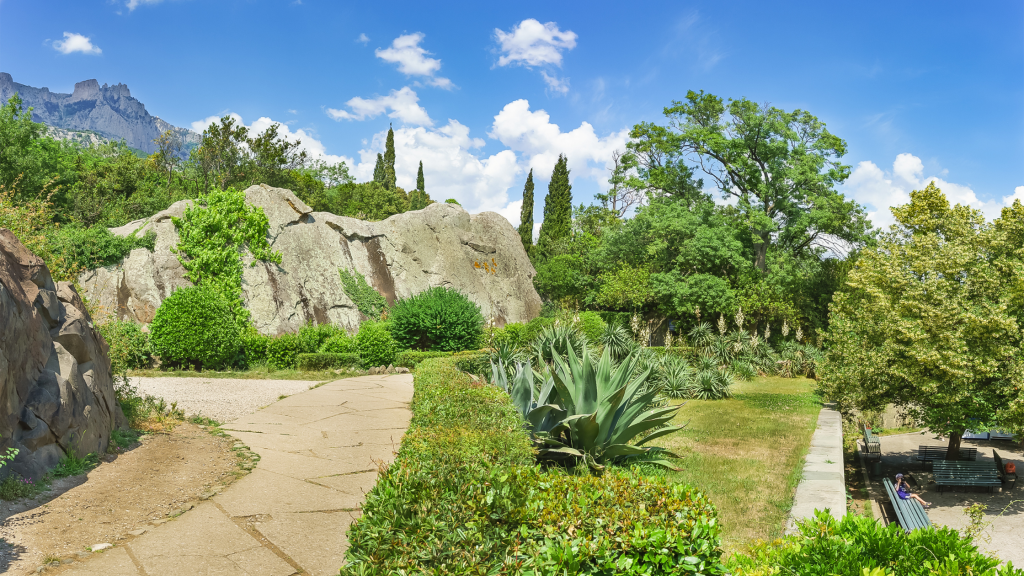 Vorontsov garden
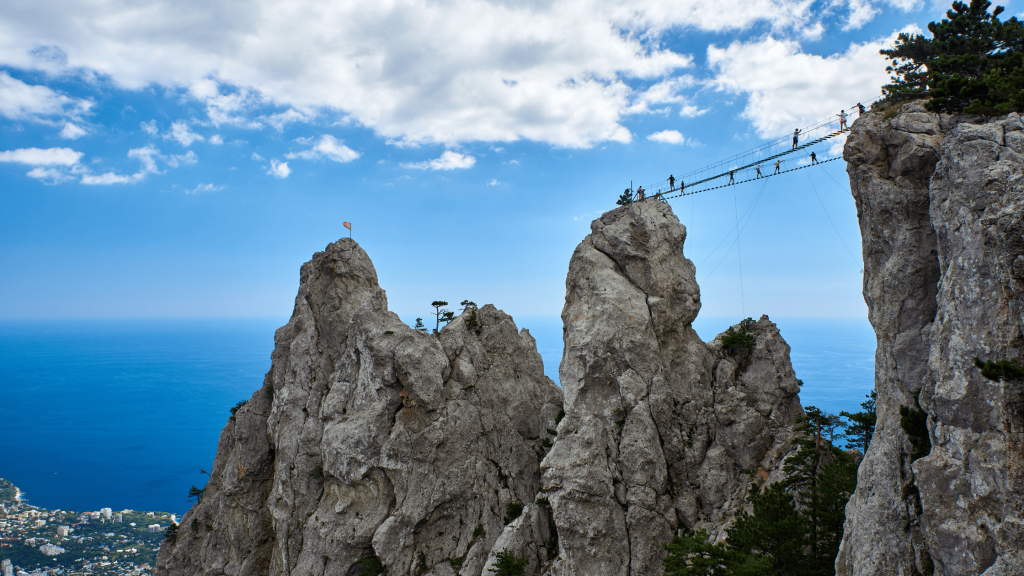 Ai-Petri
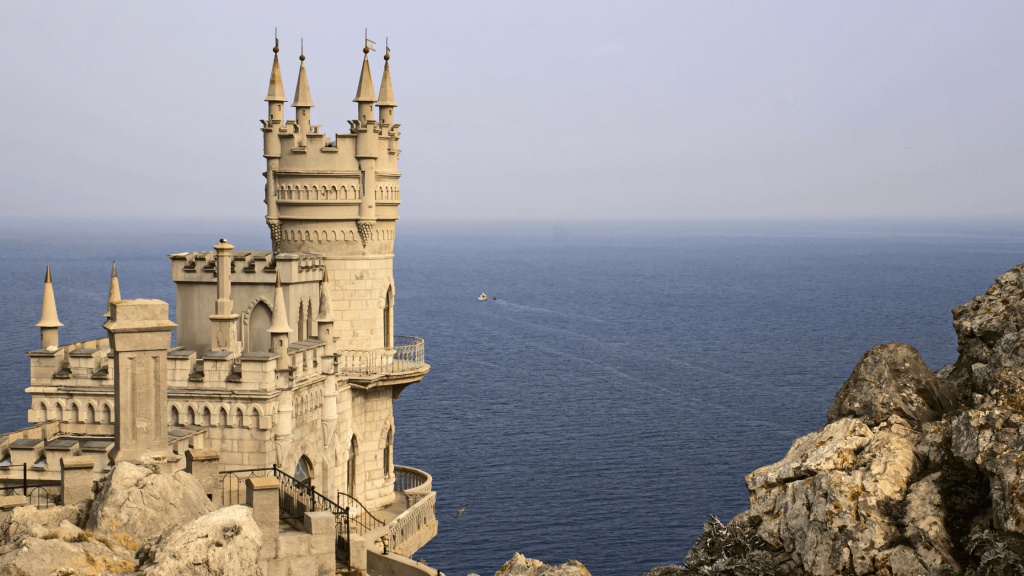 Swallows’s nest caslt
4. Dive into Tatar culture in Bakhchisarai
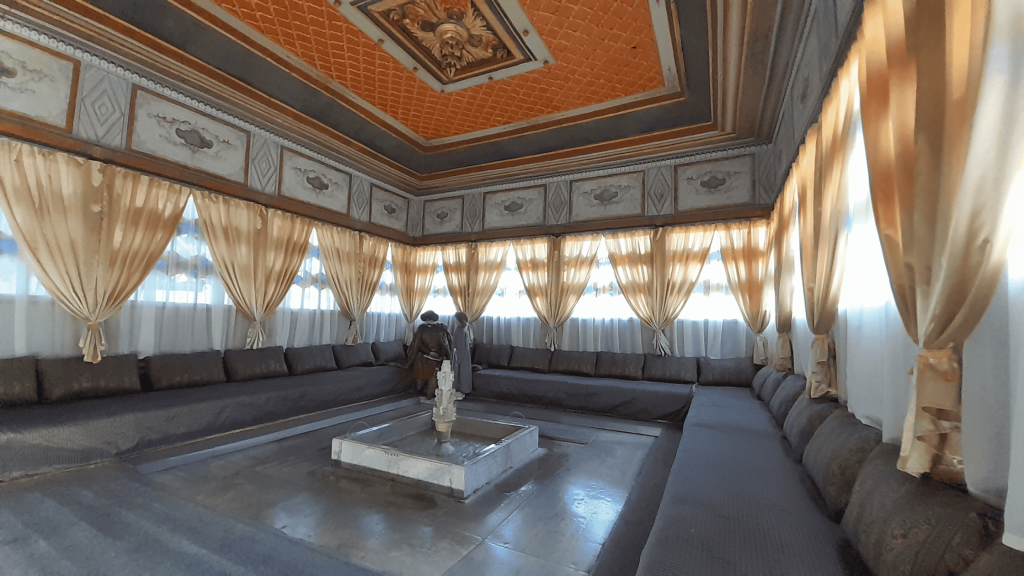
The former capital of the Crimean Khanate, Bakhchisarai is key to understanding the region’s layered identity. Here you’ll find:
• The stunning Khan’s Palace, an icon of Tatar architecture,
• The cave town of Chufut-Kale, carved into cliffs,
• And most importantly: tasty food at the crossroads of the East and the Black Sea.
You have to try a fresh cheburek in the old town.
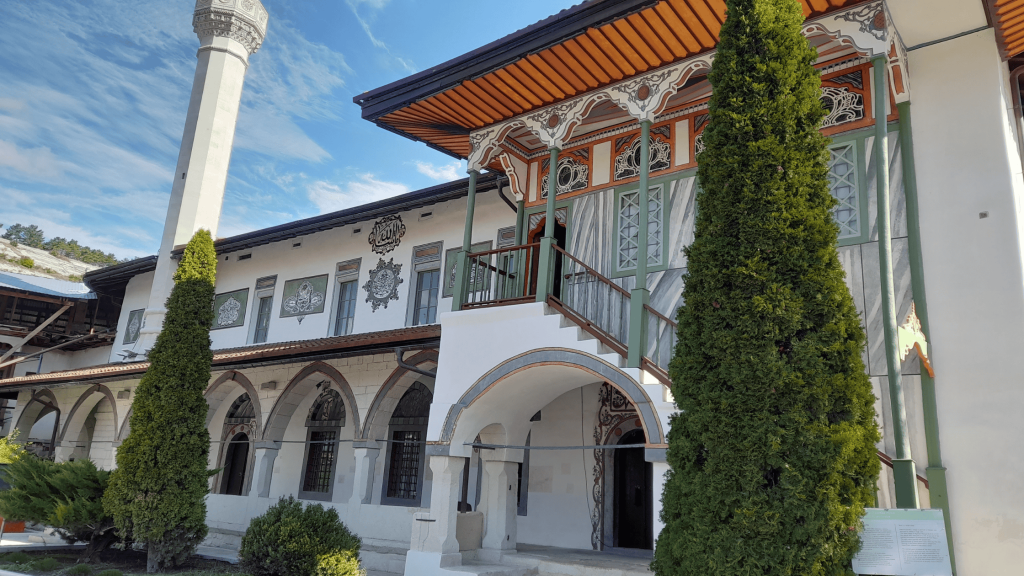 Khan’s palace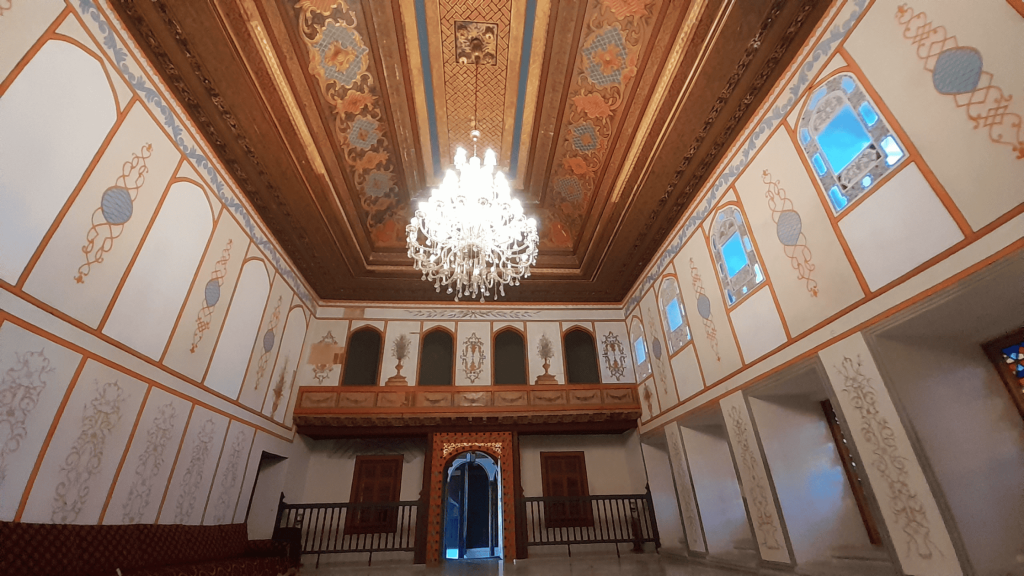
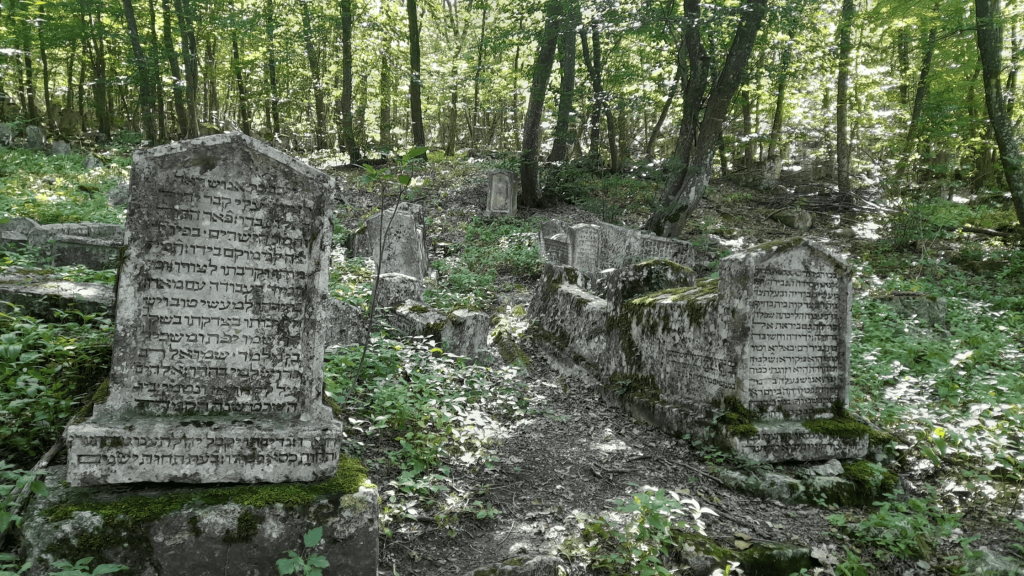 Old Jewish cemetery
5. Visit Balaklava: Coastal trail and soviet submarines
Tucked into a secret bay invisible from the sea, Balaklava blends Mediterranean charm with Cold War history.
For me, this is where the best part of the Great Sebastopol Trail begins, a dramatic clifftop hike you can start right from the town center, with jaw-dropping views of the Black Sea.
But Balaklava is also:
• Ruins of Genoese towers perched on the cliffs,
• A mind-blowing nuclear submarine museum hidden inside a mountain (ex top-secret Soviet base),
• And a peaceful marina, perfect for lunch on a terrace by the boats.
A postcard-perfect setting… with a dash of Cold War intrigue.
Practical tips for visiting Crimea in 2026
No up-to-date travel guides and few reliable sources online, so here are some useful tips to help plan your trip.
Have a great trip to Crimea, a peninsula full of surprises, waiting to be rediscovered !
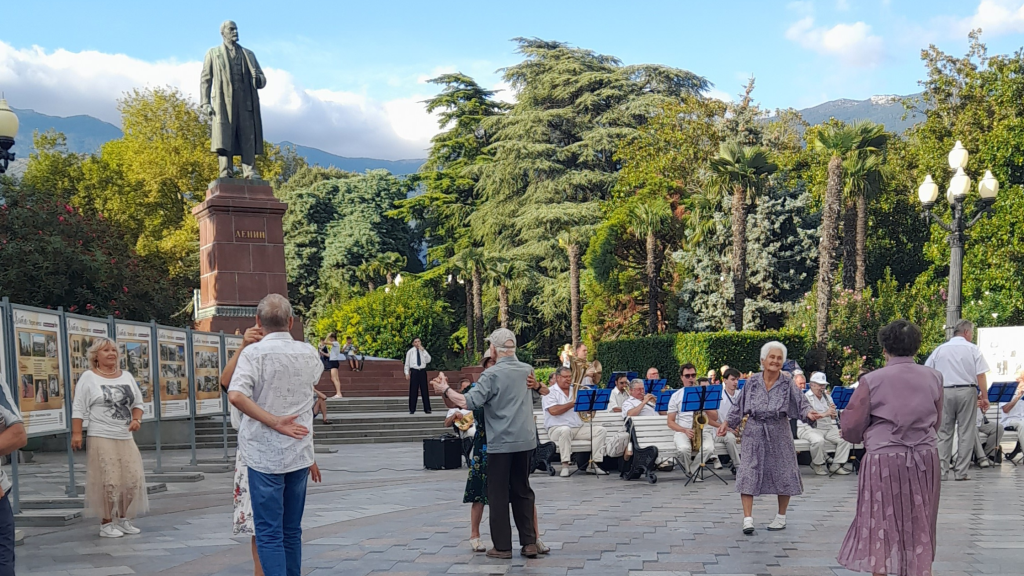 Late afternoon dance on Lenin Square
Would you like to join me in Crimea?
I’m considering organizing a small-group trip (6 to 8 people) to explore the Crimean Peninsula, between the Black Sea, historic villages, mountain landscapes, and local cuisine.
If this project interests you, I’ve prepared a short, non-binding form to assess interest in this idea (and there are already a few people interested!).
Discover the project
Local guides or partners interested in collaborating are welcome to get in touch.