The Luhamaa-Shumilkino border, located near Pskov, is one of the main crossing points between Estonia and Russia. This border crossing is a great alternative to Narva-Ivangorod, which is pedestrian-only (for now) and requires a change of buses. Direct buses, which connect Tallinn to Saint Petersburg via Pskov, are a practical solution for crossing the Estonia – Russia border and easily reaching destinations like Moscow or Saint Petersburg from Europe.
In this article, I share my practical tips for booking a bus ticket in 2026, understanding customs formalities, and for example organizing your trip from Pskov to Moscow.
Note: This article is based on my personal experience. I crossed this border (by hitchhiking, a hassle, see details below) to leave Russia. I have a French passport.
Last updated: 27 May 2026

Why choose the Luhamaa-Shumilkino border?
1. Luhamaa-Shumilkino : An alternative to Narva-Ivangorod
The Luhamaa-Shumilkino border, located 65 kilometers from Pskov, is an excellent alternative to the often overcrowded Narva-Ivangorod, with more limited hours (7AM – 11PM) and for the moment pedestrians-only (until further notice).

2. The advantages of direct buses via Pskov
Unlike Narva-Ivangorod, where a change of bus is mandatory, direct buses connect Tallinn to Saint Petersburg via this border. By opting for this solution, you avoid logistical complications while enjoying a stop in Pskov, a city rich in history with its beautiful Kremlin and ideal for a break before continuing your trip to Russia.
Options for crossing the Estonia-Russia border via Pskov
1. Crossing by bus : The easiest solution
• The direct bus Tallinn – Saint Petersburg via Pskov : Taking a LuxExpress bus is the most convenient way to cross the Luhamaa-Shumilkino border. No changes are necessary, you will make the entire journey in the same bus as well as the border crossings. LuxExpress offer regular trips, twice a day.
• Schedules and ticket booking : Departures at 7AM and 7PMdepending on the day; 11 hours journey including border crossings; ticket price 93€.
I advise you to book directly on LuxExpress with your Visa or Mastercard.

There are also Ecolines and Baltic Shuttle buses, which are slightly cheaper. You can compare all options and book on Tutu.ru using a Visa or Mastercard bank card (important: this applies only to bus tickets, not to trains or flights).
Be careful if you take another transport after your arrival in Russia, there may be longer waiting times at the border and the bus may arrive late at your destination.
2. Crossing by car/motorbike or hitchhiking : What you need to know
• My personal hitchhiking experience : Due to a last minute change of plan, I chose to hitchhike across the border in the middle of October, a Tuesday to be exact and the border, on either side was EMPTY. Barely any cars passing. Yes, I struggled.
• Travel by car/motorcycle : The line for vehicles can be long, and customs checks can takes ages. Depending on the day/season you are crossing, there may be long waits, for example during school holidays (Russians living in Finland/Baltic countries return home in summer and for New Years’). Make sure you have your documents in order and bring food and water, as the wait can sometimes last several hours.
I share the behind the scenes of my travels (real-time stories, messy bits etc) on Telegram

Continue by train to Moscow from Pskov : A practical alternative
If you are traveling to Moscow, it’s more convenient in my opinion to get off in Pskov rather than continuing to St. Petersburg and then taking a train to the capital. From Pskov, you can take a direct train to Moscow (11 and a half hours, night journey), which saves you an unnecessary detour. Departing at 7AM from Tallinn, you should arrive in Pskov around 2:45PM. Even if the bus is a few hours late, you will have enough time to catch the train to Moscow at 7:20PM.

Another advantage is that the Pskov bus station is just a 5-minute walk from the railway station. To save time and be sure to get a bed, book your train tickets directly on RussianTrain (payments by Visa or Mastercard).
My personal experience : Crossing the border by hitchhiking
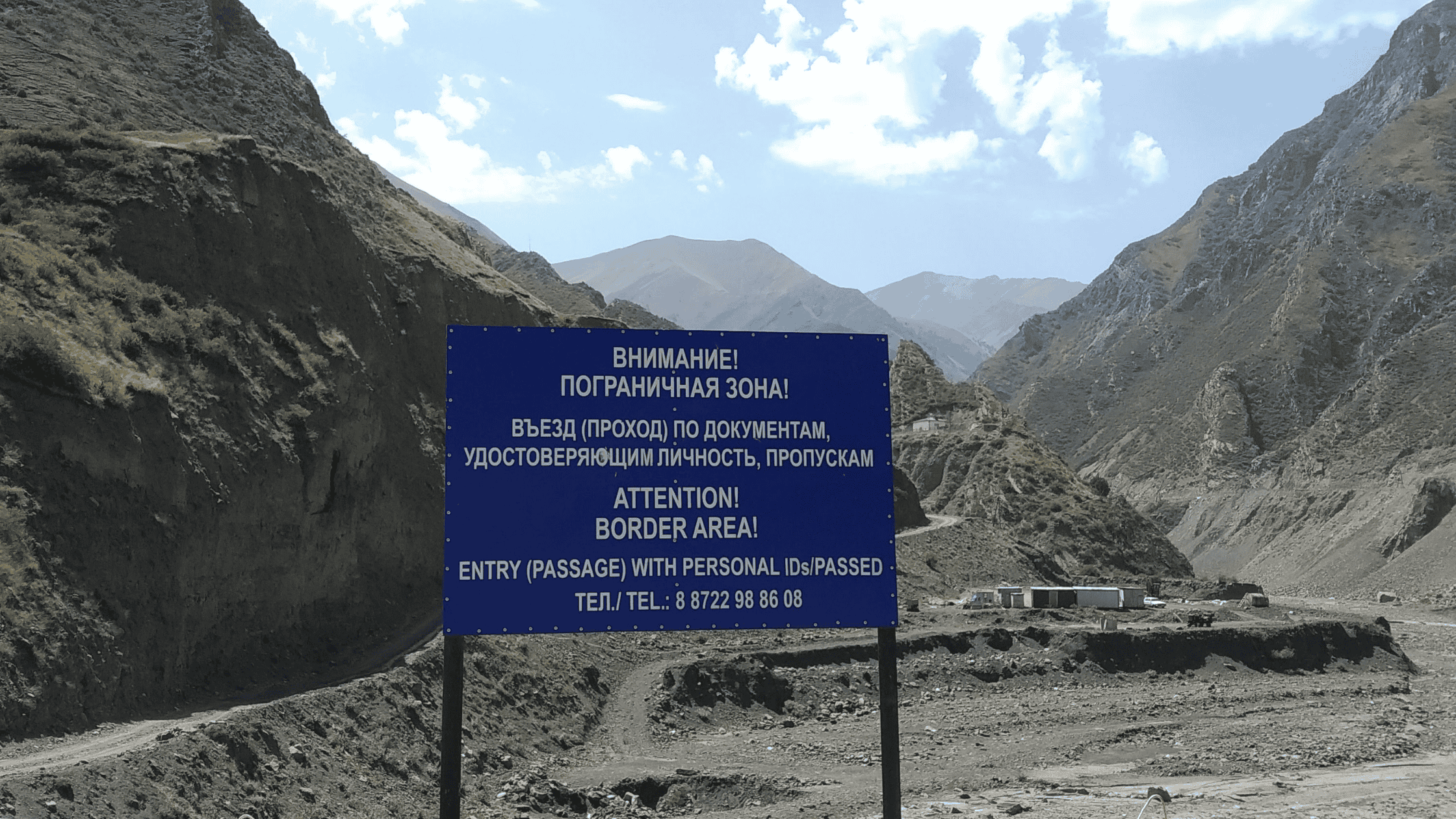
Border zone & FSB
On a whim the night before, I decided to hitchhike to Riga from Pskov. My route took me to the almost empty Shumilkino border post nestled in the middle of the forest. As soon as I left Pskov, many drivers advised me to go to Pechory instead, a border crossing apparently more popular with Russian locals.
I was first dropped off at the border security zone checkpoint, located more than 10 kilometers from the actual border post. A couple finally took me there but refused to let me cross the border with them (a very nice man the most horrible wife).
 Russian border security zone (about 10 km)
 Ticket/token which allowed me to cross on foot
 A shuttle/mini bus to Riga from the Luhamaa border post
Once I arrived, Russian customs officers gave me a small ticket (sort of token) to pass through customs and immigration on foot. I was then briefly questioned by an FSB lady-agent. On the Estonian side, it was quick : a brief look at my passport, no question asked.
Why is the bus a more practical solution?
After hitchhiking across this border, I can assure you that the direct bus from Tallinn to Saint Petersburg via Pskov is by far the most practical solution. Hitchhiking is a very uncertain mode of transport and above all there weren’t many people there that day… Good to know : there was a mini shuttle bus waiting for passengers coming from Russia to Riga. The driver offered me a seat for 45€.
FAQ about the Estonia-Russia border
Is it possible to cross on foot via Luhamaa-Shumilkino?
Yes, the Luhamaa-Shumilkino border is open to pedestrians. The Russian authorities give a small plastic ticket/token to give back at the end which allows you to walk through the immigration and customs.
How long does it take to cross this border?
The crossing time varies depending on the day and mode of transport. By bus, the average duration is one hour, formalities included depending on crowds. By car, it can take longer, especially during vacation periods. It took me 20 minutes to cross on foot on a day when there was hardly anyone there.
What is the difference between Luhamaa-Shumilkino and Narva-Ivangorod?
The main difference is the transportation options. Narva-Ivangorod is reserved for pedestrians (so a change of bus is mandatory), while Luhamaa-Shumilkino allows direct passage by bus (or any vehicles), without change.