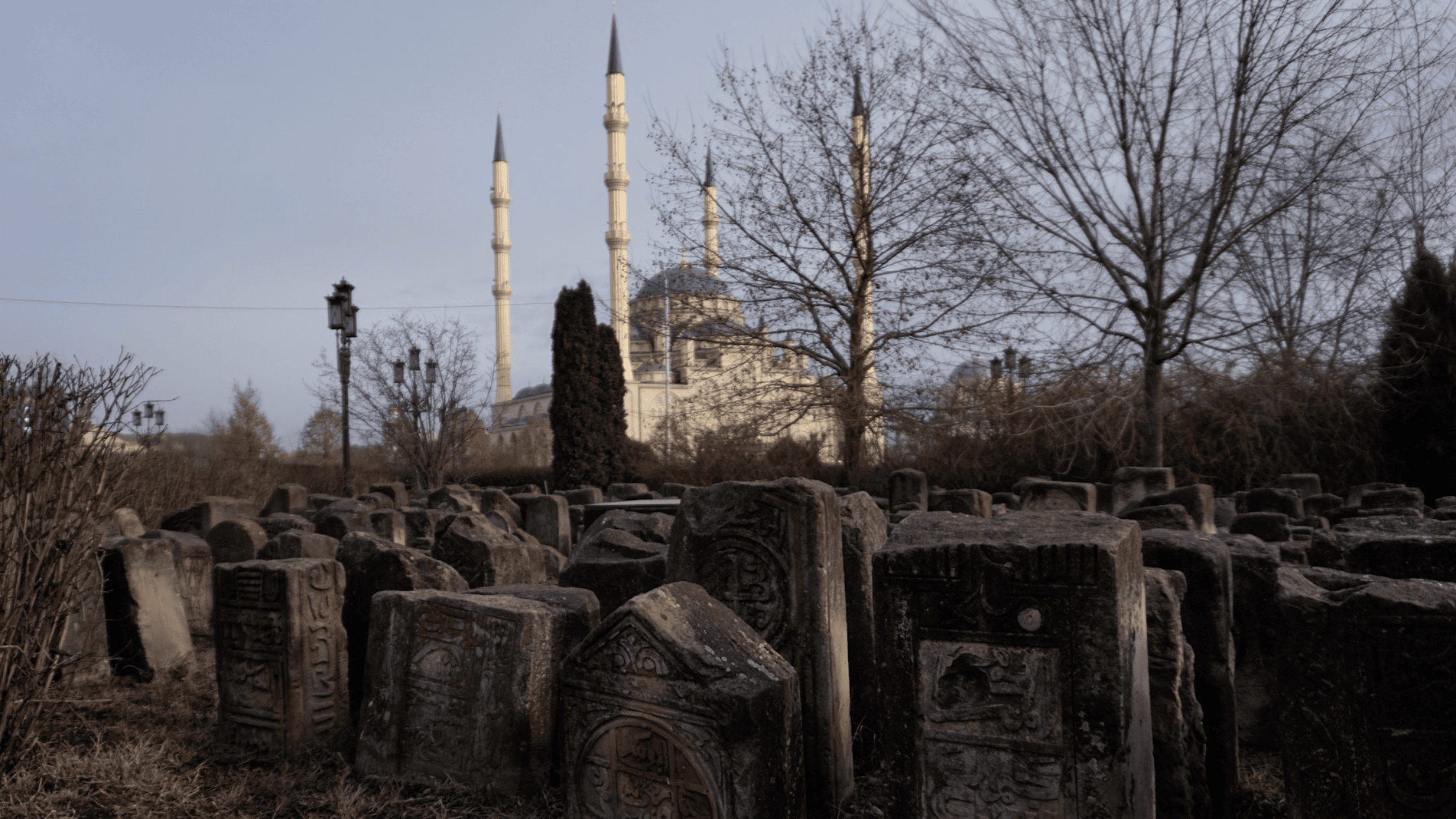
Chechnya, the historical heart of the North Caucasus, is a land that intrigues and captivates in equal measure. I spent several weeks traveling across the republic, from the Putin Avenue of Grozny to remote mountain villages, where I discovered warm hospitality, a unique cultural identity, and breathtaking landscapes.
In this comprehensive Chechnya travel guide 2026, I share everything you must know before exploring this little-known and often misunderstood republic: visa requirements, safety tips, transport advice, best times to visit, accommodation options, local customs, traditional food, and must-see places across the region.
Last updated 28 May 2026
August 2026 note: This post is currently being updated following my July 2026 trip to Chechnya. I’m adding new firsthand information, photos and practical details from the trip. Subscribe to my newsletter to be notified when the updated guide is published.

Quick facts about Chechnya
• Political status: Chechnya is not an independent country but a federal republic within the Russian Federation. It enjoys a certain degree of internal autonomy.
• Capital city: Grozny (population: approx. 1.4 million).
• Languages: Chechen and Russian. In Grozny, English is more commonly spoken among young people than in many other parts of the Caucasus, or even much of Russia in my opinion.
• Religion: Sunni Islam, with strong Sufi influences. Although Salafi and Wahhabi movements appeared in the 1990s, Chechens remain deeply rooted in local spiritual traditions.
• Climate & best time to visit: The climate is continental. The best travel seasons are late spring, summer (note: it gets very hot in the lowlands like Grozny), and early autumn.
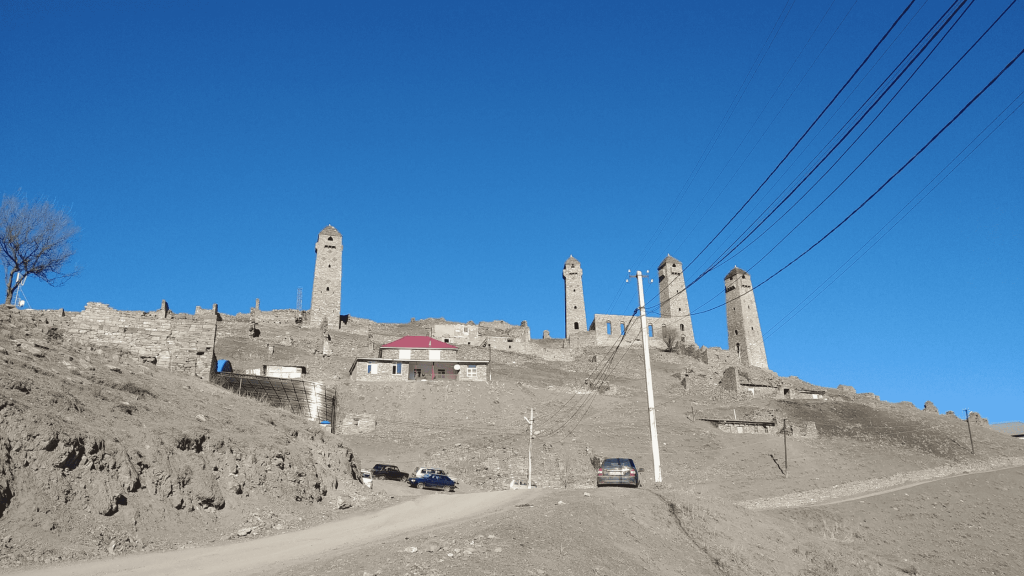 Sharoy
Chechnya’s history and identity
Religion and customs in Chechnya
Islam and local traditions
Chechnya is a predominantly Muslim republic, where nearly the entire population practices Sunni Islam. However, here faith is deeply influenced by Sufism, a mystical form of Islam that remains vibrant among the older generations in the Caucasus. Religion plays a central role in daily life – much more so than in most parts of Russia.
Wearing a hijab is not mandatory for women, whether Chechen or foreign visitors, except when entering mosques.
Alcohol in Chechnya: Tolerated for foreigners only
In practice, alcohol is virtually invisible in public spaces. There are no bars in Grozny or anywhere else in the republic, and no Chechens openly consume alcohol.
A decree from Ramzan Kadyrov prohibits Chechens from buying or drinking alcohol.
Note: Alcohol is served at Kupol restaurant in the Grozny City microdistrict (the local “mini Dubai”).
If you smoke, discretion is essential. You will not see anyone smoking in public – and even less so women. As a foreigner, it’s best to smoke in private.
Dress Code: What to wear in Chechnya?
There are no official rules for tourists, but modest and covering clothing is highly recommended.
Among Chechen women, long, colorful dresses or skirts are the norm, even for very young girls. It’s considered a sign of femininity, I was told. I did not see a single woman wearing jeans, except myself.
For men, shorts are forbidden. Many Chechen men wear black clothing, this is the local style.
Finally, tattoos are extremely poorly perceived. If you have tattoos, cover them as much as possible.
Chechen cuisine: Between mountain tradition and hospitality
Chechen cuisine is simple, hearty, and deeply rooted in the mountain lifestyle. It revolves around a few key ingredients: meat (lamb, beef), homemade pasta, dairy products… and above all, a sacred sense of hospitality.
If you are invited, accept without hesitation! Refusing would be considered rude. And if you’re a woman invited by a group of men to a café (this happened to me several times!), don’t even think about offering to pay, they might take offense. Hospitality here is a matter of pride.
Male travelers will more easily receive invitations to eat at local homes. For a woman traveling alone, this is less common, but not impossible. I was invited multiple times by elderly Chechen couples, both in Grozny and mountain villages.
Must-try Chechen food
Here are some specialties you’re sure to encounter during your trip to Chechnya:
• Siskal and To-beram: Fried corn pancakes served for breakfast with tvorog (a type of fresh cheese) and boiled eggs.
• Zhizhig-Galnash: Boiled meat (lamb or beef) served with homemade noodles, an iconic dish. Cultural note: in some families, this is a traditional culinary test given to the daughter-in-law.
• Tchepalgash: Flat pancakes stuffed with cheese and green onions.
• Tchudnash: A variant made with corn flour.
• Khingalsh: Pancakes filled with pumpkin, one of my personal favorites!
• Baarsh: Tripe slowly cooked with onions and rice.
• Holtmash: Dumplings stuffed with a mixture of nettles, wild garlic, eggs, and/or cheese.
• Shorpa (or Zhigzhig-Shorpa): Traditional soup with meat and vegetables.
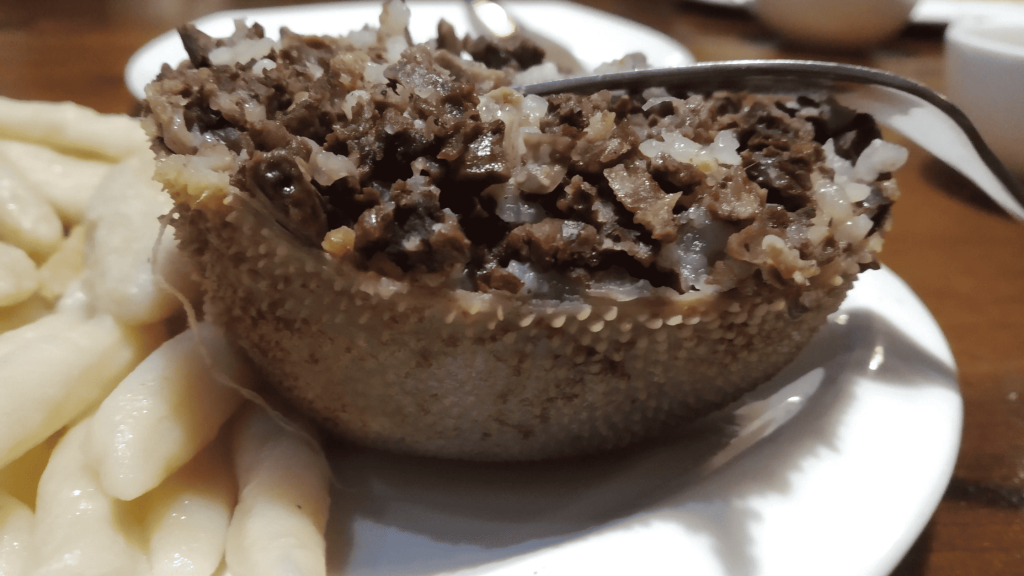 Zhigzhig Galnash
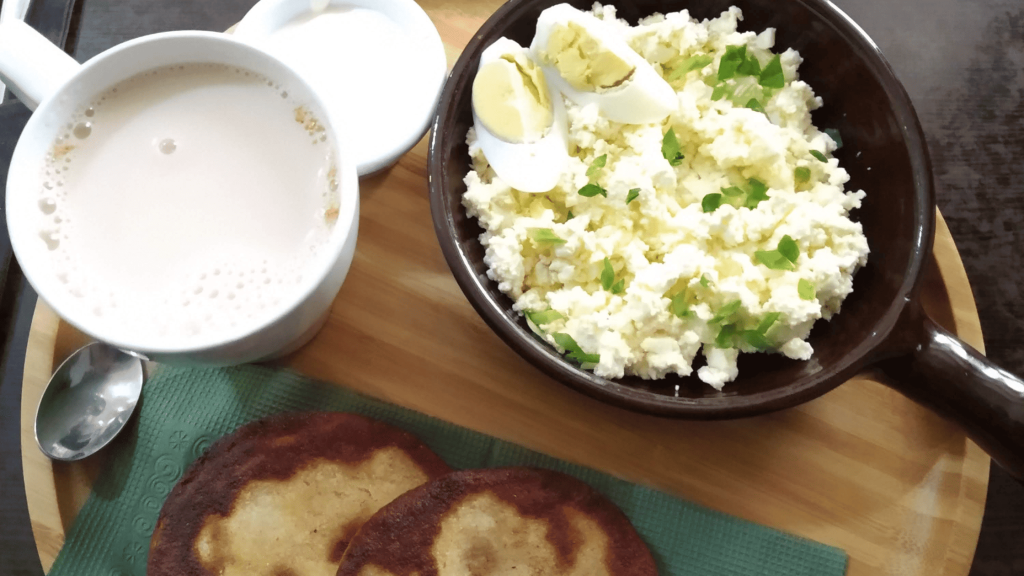 siskal- & To-beram
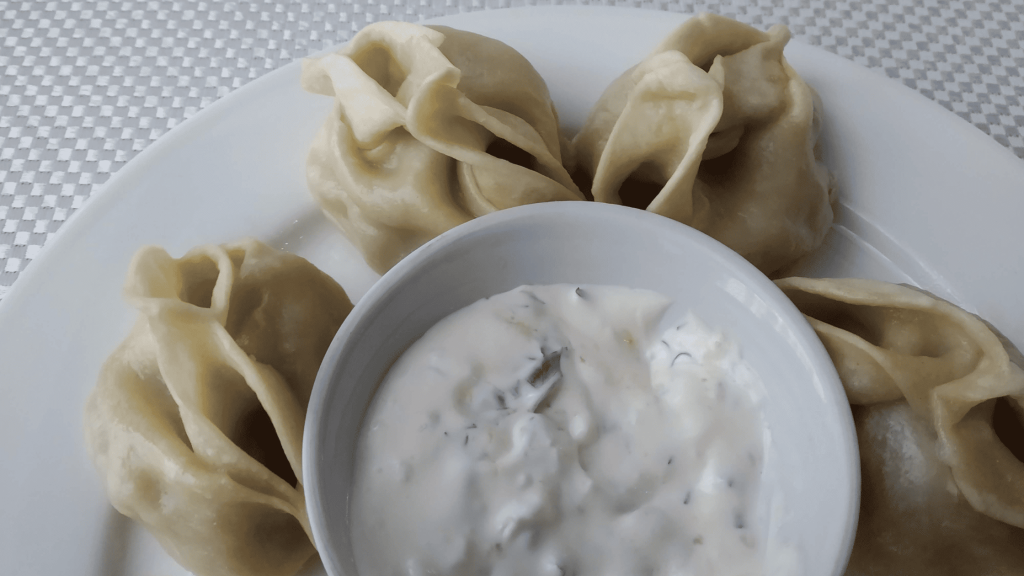 Manty
Manty
Do you need a visa to visit Chechnya?
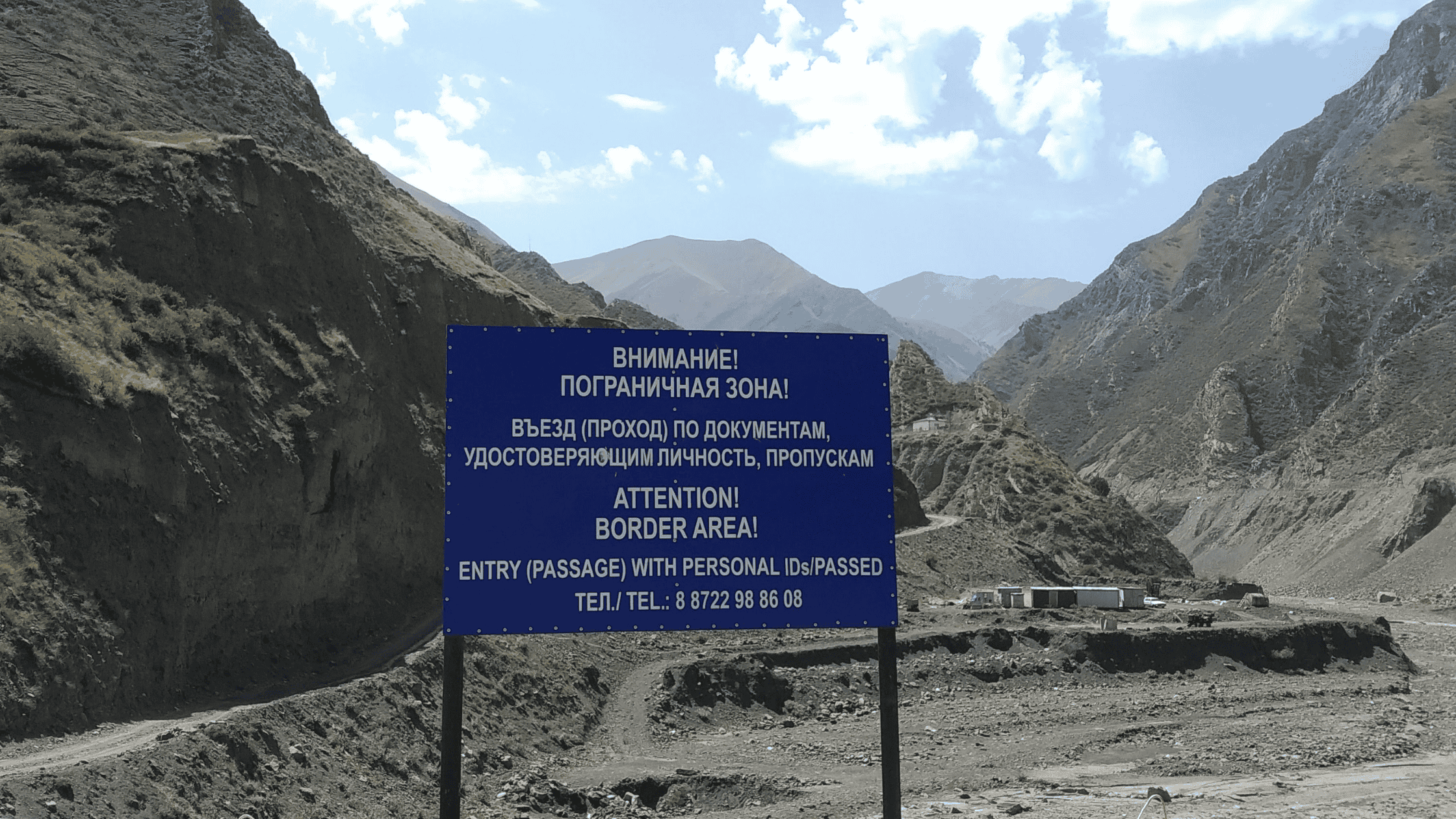
Since Chechnya is a republic within the Russian Federation, you will need a Russian visa or an e-Visa (valid at Grozny airport) to travel there. There is no specific visa or permit required solely for Chechnya, once you enter Russia, you can freely travel throughout the North Caucasus, except in border zones.
To fully understand the visa process, check out my dedicated guides:
• How to get a Russian Visa in 2026: A detailed guide
• Russia e-Visa: Everything you need to know + my tips
Is Chechnya safe for tourists in 2026?
For many years, Chechnya was classified as a high-risk area by Western Ministries of Foreign Affairs, with travel discouraged except for essential reasons. Since 2022, the entire Russian Federation has been placed under no-travel advisories due to the geopolitical situation.
However, on the ground, Chechnya is now considered one of the most stable and secure regions in the North Caucasus.
I’ve traveled solo throughout the republic, hitchhiking and using public transport, without any issues. I return to Russia every year, including in 2026, and I’ve never experienced safety problems in the Caucasus or elsewhere in the country.
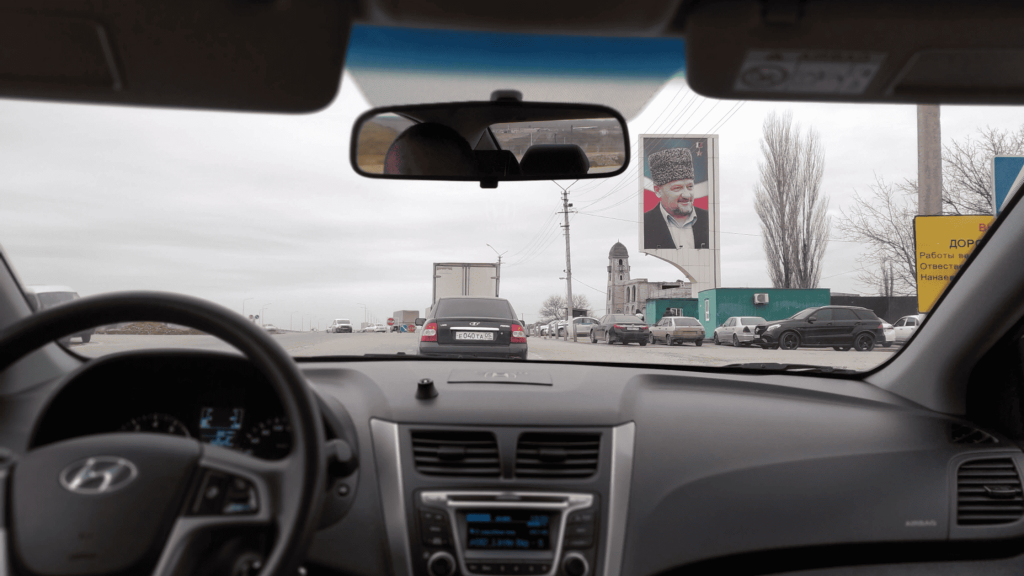
That said, it’s important to know: military presence in Chechnya is highly visible. Armed soldiers and checkpoints are a normal part of daily life, especially in Grozny and along inter-republic borders. If that makes you uncomfortable, Chechnya might not be the right destination for you. But this presence is part of what keeps the region secure.
Disclaimer: This article reflects my personal experience. It does not encourage you to ignore the guidance of your country’s official travel advisories. You are solely responsible for your travel decisions.
There are several military/police checkpoints you may encounter while traveling through Chechnya, especially near regional borders. These include:
• The main entry into Grozny via the highway from Nazran (Ingushetia),
• Border crossings between Chechnya, Ingushetia, and Dagestan,
• The southern region after Itum-Kale, heading toward the Georgian border zone.
You generally don’t need to register or show documents at these checkpoints – just have your passport and visa ready in case they ask.
In fact, during all my travels in the North Caucasus, the only place where I had to registered at a checkpoint was in Kabardino-Balkaria, on the road toward Vladikavkaz.
Some locations near the Georgian border, such as the Tsoi-Pede necropolis, require a special permit from the FSB. I share more details further down.
The Kadyrovtsy are the paramilitary forces loyal to Ramzan Kadyrov, the current head of the Chechen Republic. They play a major role in maintaining order across the region, and their presence is highly visible in daily life.
You’ll recognize them instantly: imposing figures, often dressed in full black gear, with a “Kadyrov style” beard and often heavily armed. While they might seem intimidating at first, they’re generally friendly and approachable.
If you’re lost or need help, don’t hesitate to ask them, chances are, they’ll answer with a smile.
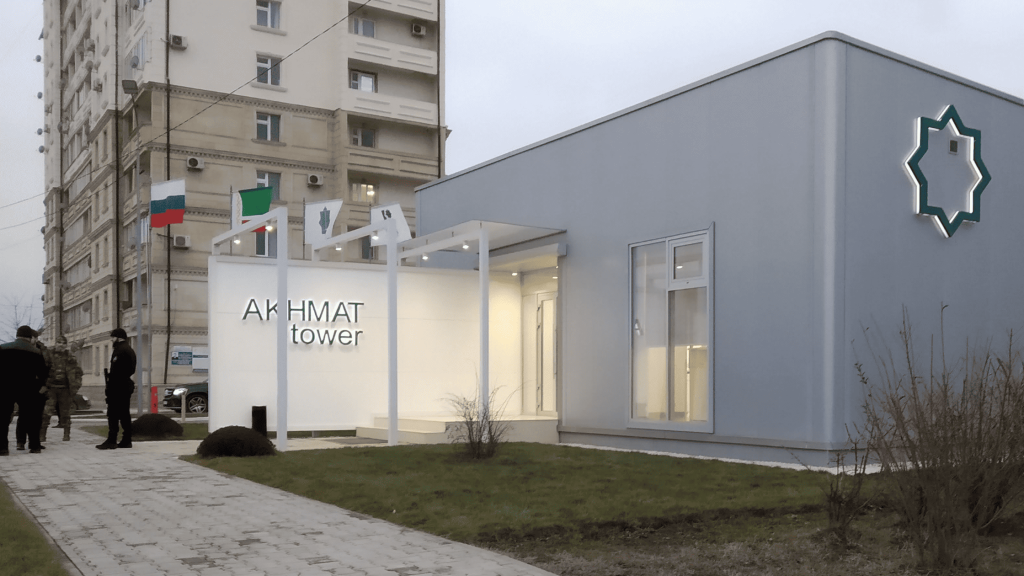
Yes, you can absolutely travel solo as a woman in Chechnya. I’ve done it myself, and I was always warmly welcomed, even in remote mountain villages.
That said, if you’re a woman traveling alone (especially if you’re wearing jeans, like I was), expect to draw some attention. You may receive some direct, but generally respectful, invitations, like being asked to go for a ride in a luxury car (I once declined a ride in a Porsche, even though the guy seemed nice). It’s rarely pushy or inappropriate.
The cultural norms here are very different from the rest of Russia or the South Caucasus (like Georgia or Armenia). I wouldn’t recommend Chechnya to an 18-year-old backpacker with no prior experience in traveling through Muslim-majority regions. You need to understand the local cultural codes, and respect them.
Chechnya is not an LGBT-friendly destination. President Kadyrov himself once said, “There are no gays in Chechnya.” That pretty much sums up the official stance.
Even as a heterosexual couple, you should avoid public displays of affection. Such behavior is simply not part of the local culture and can draw unwanted attention.
• General tips for all travelers:
Dress modestly, this goes for both men and women; Respect religious and social customs, even if they’re very different from your own; Avoid sensitive topics such as politics, Chechen wars, or LGBT rights. As a Chechen grandpa once told me: “The walls have ears”;
• Extra tip: Keep some physical distance when speaking with someone of the opposite sex – close proximity can be misinterpreted.
And if you’re a man: do not flirt with local women. It can lead to serious trouble. (Foreign women flirting with locals, no problem)
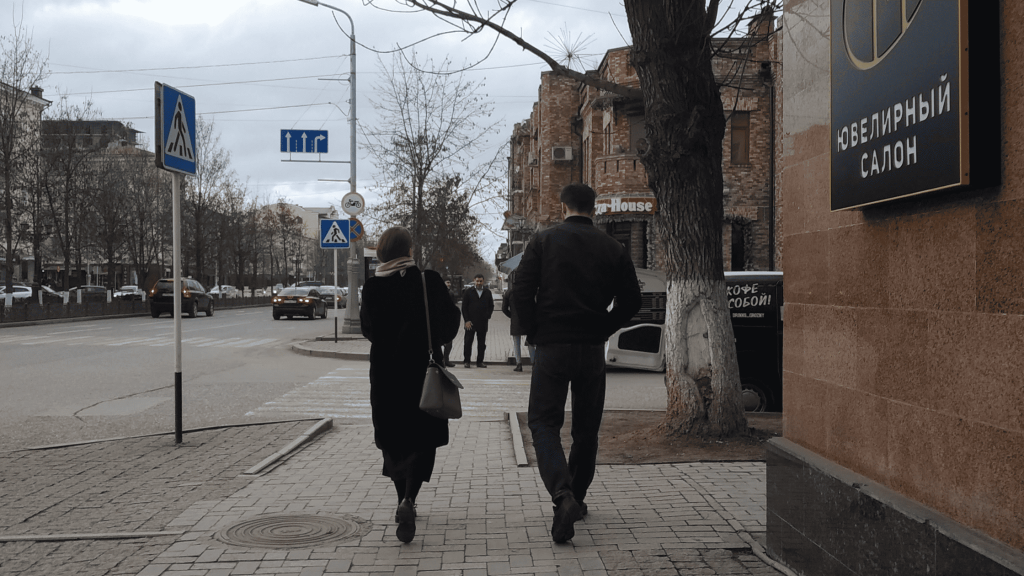
I share the behind the scenes of my travels (real-time stories, messy bits etc) on Telegram

Getting to and around Chechnya
Flights to Grozny: From Moscow or Istanbul?
• Direct international flights to Grozny available in 2026:
– Istanbul → Grozny: UTair (starting around 190-210€)
– Antalya → Grozny: Aeroflot
– Dubai → Grozny: UTair
– Tashkent → Grozny: Uzbekistan Airways
– Tehran → Grozny: Mahan Air
Note: Flights between Baku and Grozny have been suspended since December 2024 following a tragic crash involving Azerbaijan Airlines.
• Domestic flights: Moscow → Grozny
Several direct flights operate daily between Moscow and Grozny (Aeroflot, UTair, etc.), about 2 hours 45 minutes. One-way tickets start from 100€.
Due to EU sanctions, European based booking platforms no longer sell flights to Grozny (and Russia in general). I recommend Aviasales (the .com version, not .ru), which redirects to international flight booking agencies such as Turkey-based Unfly and UAE-based City Travel or Onetwotrip. At the time of update (April 2026), these platforms accept foreign Visa and Mastercard payments.
Train, marshrutka & hitchhiking
• By train from Moscow
The distance is roughly 1500 km, which takes around 40 hours by train. Tickets can be booked on RussianTrain, which accepts international cards.
• By marshrutka (shared minibus)
Marshrutkas depart from Berkat Market in Grozny to various towns and villages like Shali, Argoun, and Itum-Kale.
Some remote destinations have only a few departures weekly, so stay flexible and check locally.
Marshrutkas also connect Grozny with neighboring republics such as Makhachkala and Nazran.
• By hitchhiking
Hitchhiking works very well in Chechnya, even between small isolated villages. It’s a great option if marshrutkas aren’t running.
I’ve hitched rides with all kinds of drivers, from delivery van drivers to high-ranking government officials in luxury cars.
Bonus tip: Chechens tend to be skilled drivers, generally better than in other parts of Russia in my opinion, and you sure won’t see any drunk drivers there.
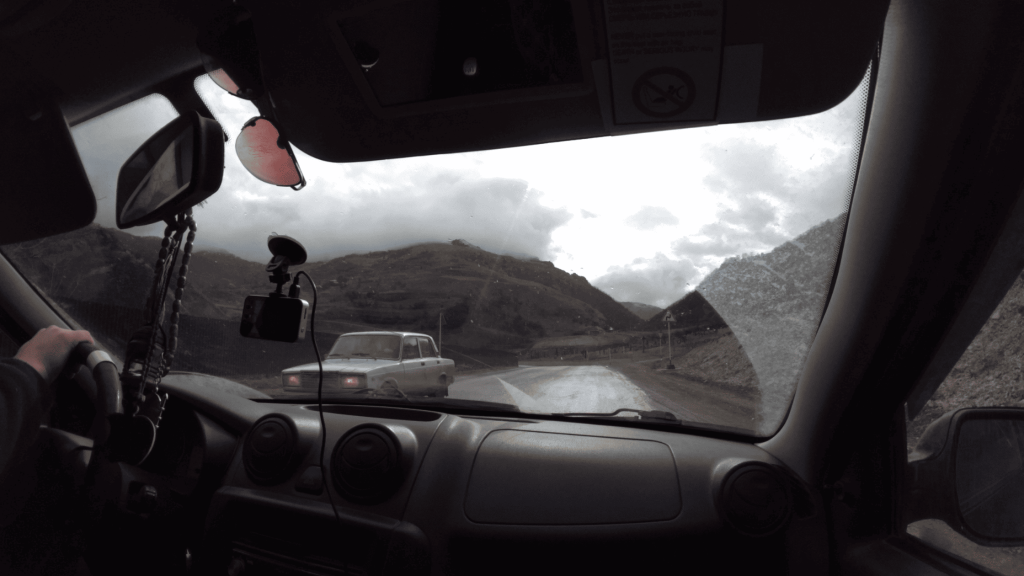
Crossing land borders: What to know (Georgia, Azerbaijan, Russia)
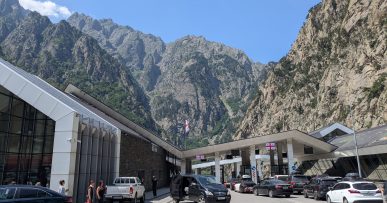
The only open land border between Russia and Georgia is at the Verkhni Lars/Kazbegi checkpoint in North Ossetia.
There is no direct border crossing from Chechnya to the Pankisi Gorge in Georgia.
To reach Chechnya from Georgia:
The easiest overland route is Tbilisi → Vladikavkaz → Grozny. I travelled this route in July 2026. Read my detailed guide to travelling from Tbilisi to Grozny by marshrutka.
I also wrote a detailed about crossing the Verkhny Lars – Kazbegi border between Georgia and Russia.
Azerbaijan: Important restrictions
The Russia-Azerbaijan land border is currently closed to foreign nationals traveling from Russia to Azerbaijan (since Covid), but open in the opposite direction.
Before 2020, daily minibuses ran directly between Grozny and Baku. If they still operate, they leave from Baku’s central bus station. More details here.
A quick side note : The Pankisi Valley in Georgia
If you’re on the Georgian side, I highly recommend a detour to the Pankisi Gorge in the Kakheti region, on the northeastern border with Chechnya.
This valley is home to the Kists, descendants of Chechens who fled the North Caucasus in the 19th century.
The official Pankisi tourism website offers a free PDF guide (in English and Georgian) with hiking ideas, guesthouse recommendations, and cultural insights.
I passed through briefly a few years ago. I found locals were much more reserved than in Chechnya, but it’s definitely worth a visit.
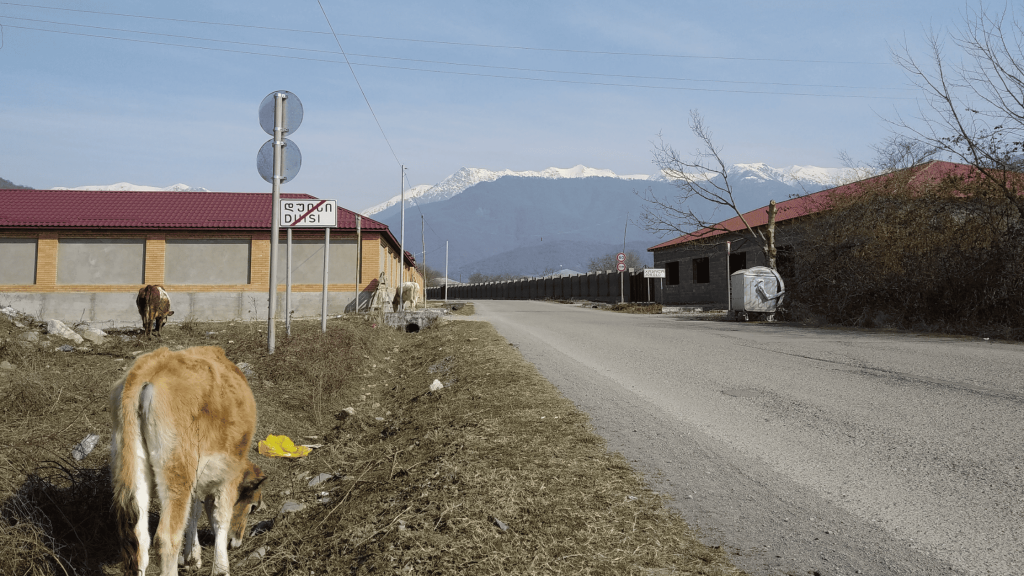 Duisi
Duisi
Money in Chechnya: Cash, MIR cards & sanctions workarounds
Is a VPN essential in Chechnya?
Yes. Since late 2024, even Telegram is blocked in parts of Chechnya and Dagestan by local authorities. Instagram, Facebook, WhatsApp and many Western websites are also inaccessible without a VPN. If you plan to stay connected, or use messaging apps and social media, a VPN is absolutely necessary. I use VPN.ac in Russia, there’s a convenient Russia-Netherlands double-hop available.
Exchanging money in Chechnya
If you’re bringing euros or US dollars, skip the official banks. Go straight to the Berkat Market (Рынок Беркат) in Grozny.
Right at the entrance, near the doors, you’ll spot a few middle-aged men sitting on plastic chairs with small shoulder bags, they’re money changers. Yes, it’s technically illegal. But everyone knows them, they’re reliable, and you’ll get a much better exchange rate than at banks;

Can you use foreign cards in Chechnya?
No. Foreign Visa and Mastercard cards do not work in Chechnya, just like in the rest of Russia, due to international sanctions.
You cannot withdraw cash from ATMs with your international card, and it won’t work for online payments on Russian websites either.
If you have a MIR card, it works just fine like in the rest of Russia, in shops, hotels, and ATMs.
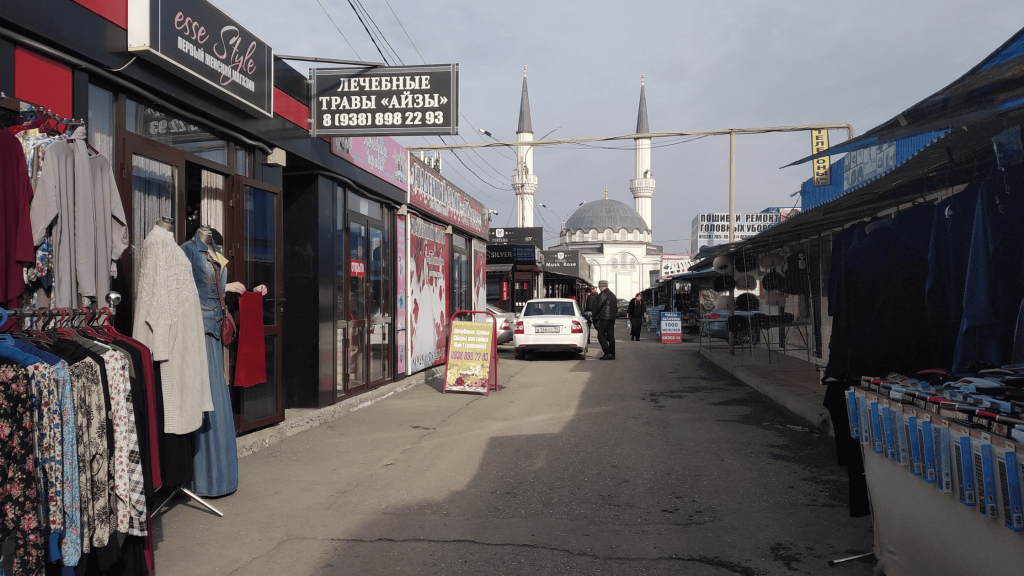 Berkat market
Accommodation in Chechnya: Where to stay
In Grozny & major cities: From hostels to 5 star hotels
In Grozny, Urus-Martan, and Shali, you’ll find a decent range of accommodations: From hostels and guesthouses, to mid-range hotels and luxury hotels in the new districts known as Grozny City and Shali City.
Elsewhere in Chechnya: Fewer options, but possible
Smaller towns and nature areas also have places to stay, though availability is more limited. You’ll find small hotels or guesthouses in:
• Argun, Gudermes, Nikhaloy, Vedeno
• Veduchi (ski resort)
• Kezenoy-Am lake
Most accommodations in Chechnya are listed on Ostrovok. You can use its international version, Zenhotels, to book and fully pay online with a foreign Visa or Mastercard. If you are browsing from Europe, you will need to use a VPN to see Russian accommodations. Not all properties are listed though, if you can’t find anything suitable, try searching directly on Yandex Maps.
Staying with locals: Possible, with cultural nuances
In both towns and villages, men are more likely to receive spontaneous invitations from locals. For solo female travelers, it’s less common but not impossible.
I received two such invitations, one from a Chechen woman living alone (a rare thing!), and another from an elderly couple in a remote village.
My recommended (and tested) hotels in Chechnya
• Hostel in Grozny, in Grozny
Yes, that’s the actual name. Run by two not-so-friendly women, but it’s clean, functional, and has a kitchen. Budget-friendly and a 10-minute walk from downtown.
• Nokhchostar Hotel, in Grozny
A solid mid-range choice right on Putin Avenue, in the heart of Grozny. Decent rooms, professional staff, and you can walk everywhere from here.
• Shali City Hotel, in Shali
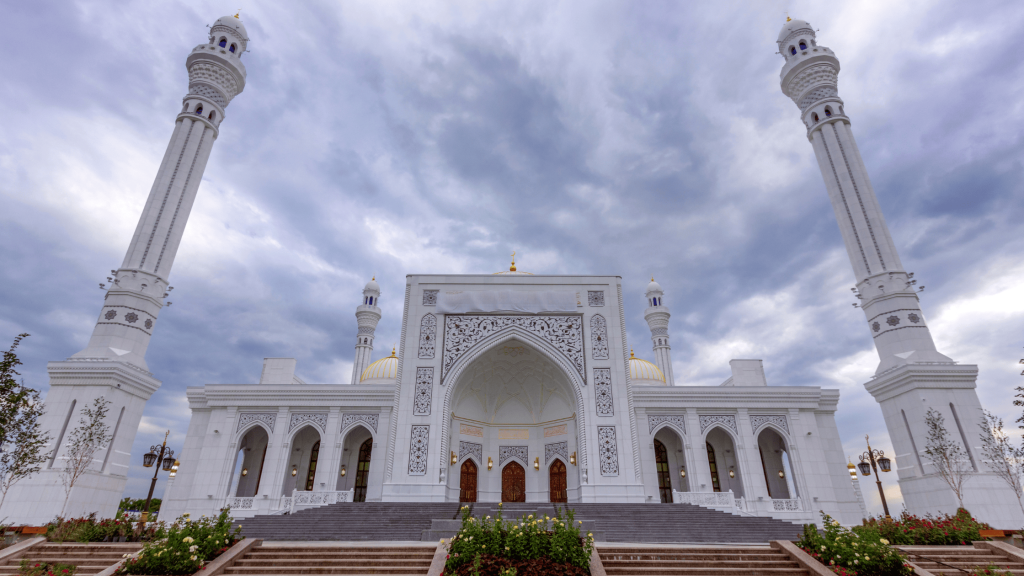
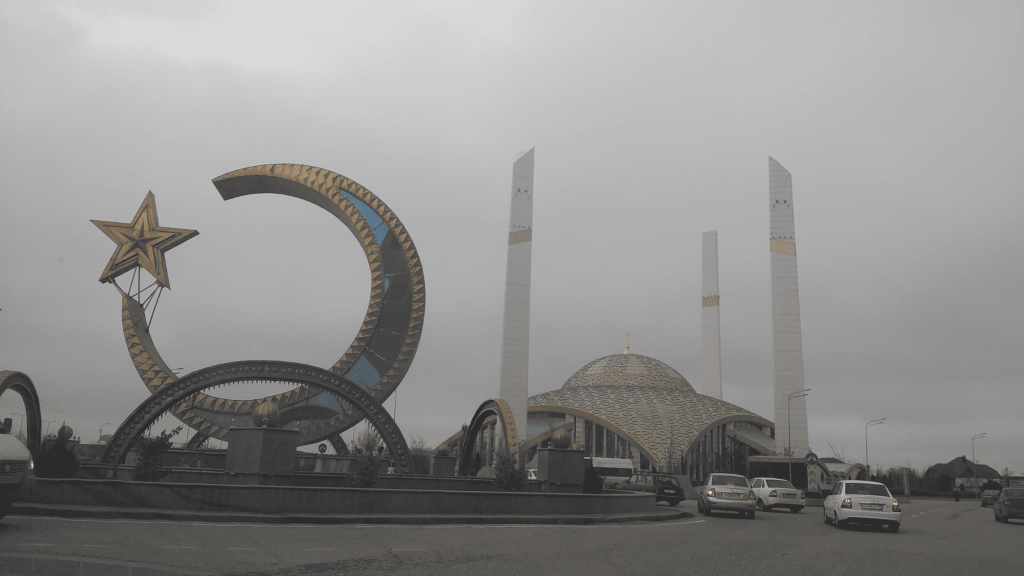
Very clean and modern. They gave me a room with a direct view on the largest mosque in Russia.
• Edelweiss Hotel, in Veduchi
The main hotel at the Veduchi ski resort (open year-round). Nice rooms, breathtaking mountain views, and helpful staff. Prices can be expensive depending on the season. (Long story short: a local school principal gifted me a night’s stay.)
• Kezenoy-Am Hotel, Kezenoy-Am lake
Right on the edge of Chechnya’s most famous lake. Stunning setting, but book in advance – it gets full even in low season. Note for solo women: the place is mostly visited by families or large groups, so you’ll definitely stand out. One evening, a plainclothes policeman (armed, of course) knocked on my door at 9PM “to get to know each other”…
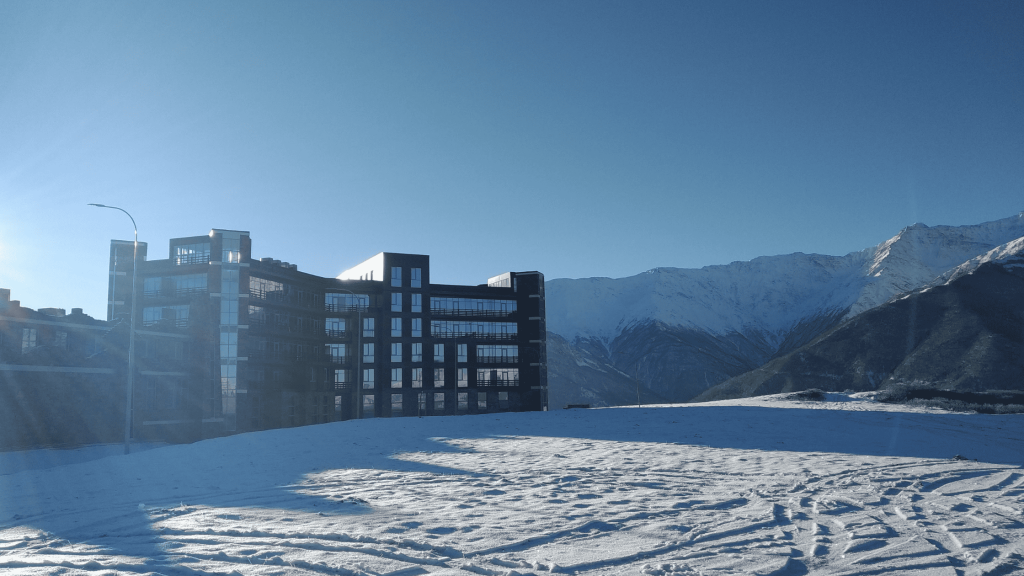
Chechnya border permit for Tsoi-Pede and the southern mountains
Some areas in southern Chechnya, including the necropolis of Tsoi-Pede, are part of the official border zone, a security perimeter around Russia’s borders that varies in size depending on the region. To visit, you need a special permit issued by the FSB.
There’s a military checkpoint just past Itum-Kale (Итум-Кали) that blocks access to the area. However, Veduchi is freely accessible – the road goes around the restricted zone and does not require a permit.
Despite what some popular travel bloggers claim, the permit is required. That said, if you’re accompanied by a local guide, things can be a bit more… flexible. It really seem to depend on how lucky you are and who your guide seem to know.
Personally, I’ve had two permit requests denied (the Chechen FSB doesn’t like me at all 😅), but a reader of this blog managed to visit Tsoi-Pede in 2023, his local guide apparently secured the permit on his behalf.
Warning: Don’t even think about trying to bypass the checkpoints or enter without permission. This mountainous region near Georgia’s Pankisi Valley is under heavy military surveillance.
📌 More details on how to apply for the border zone permit.
And if you do manage to go, I’d love to hear about it! Drop a comment or send me an email.
I’ve created a complete step-by-step guide to help you apply on your own (including a translation of the official form and a ready-to-send email template).
Get the guide for free by signing up below:
Best places to visit in Chechnya 2026: Top attractions and hidden gems
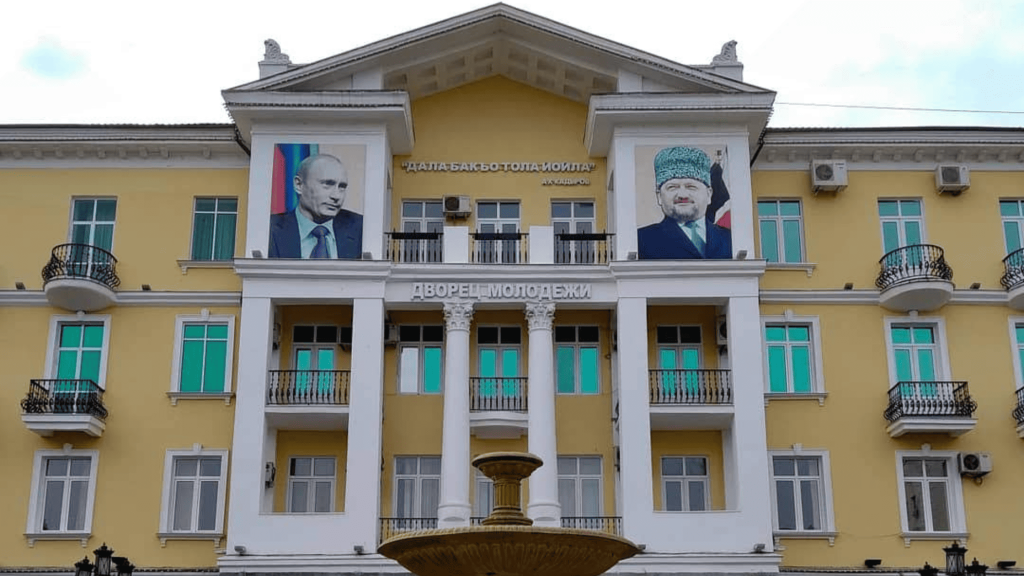
• Grozny: The Heart of Chechnya Mosque, the only Putin Avenue in Russia, a sprawling local market, and the city’s unexpected skyline of skyscrapers. A unique blend of tradition and modernity.
• Shali: Home to the largest mosque in Europe.
• Lake Kezenoy-Am: The largest lake in the North Caucasus, perched at 1800 meters altitude.
• Veduchi: Chechnya’s ski resort, open year-round with panoramic views.
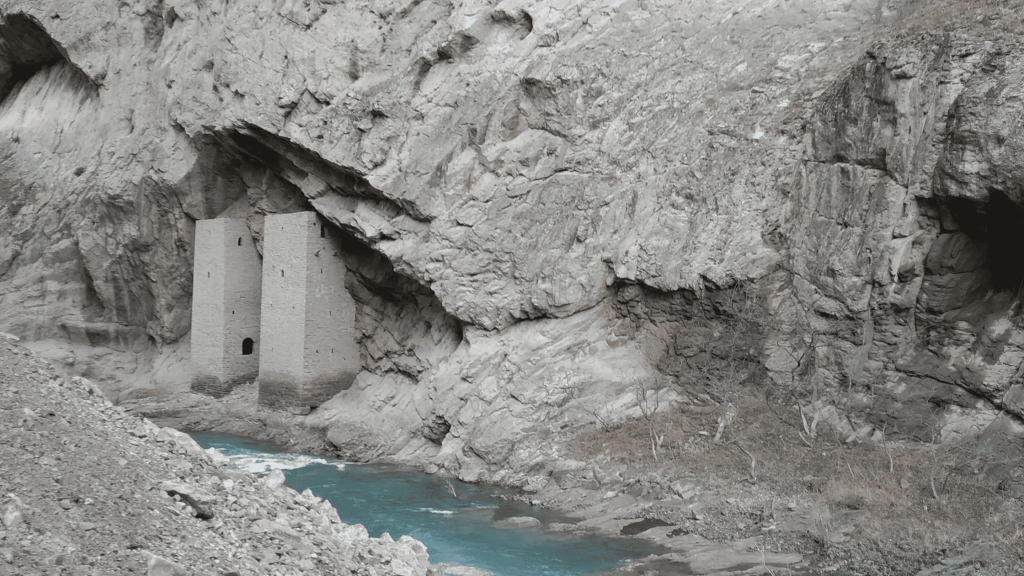
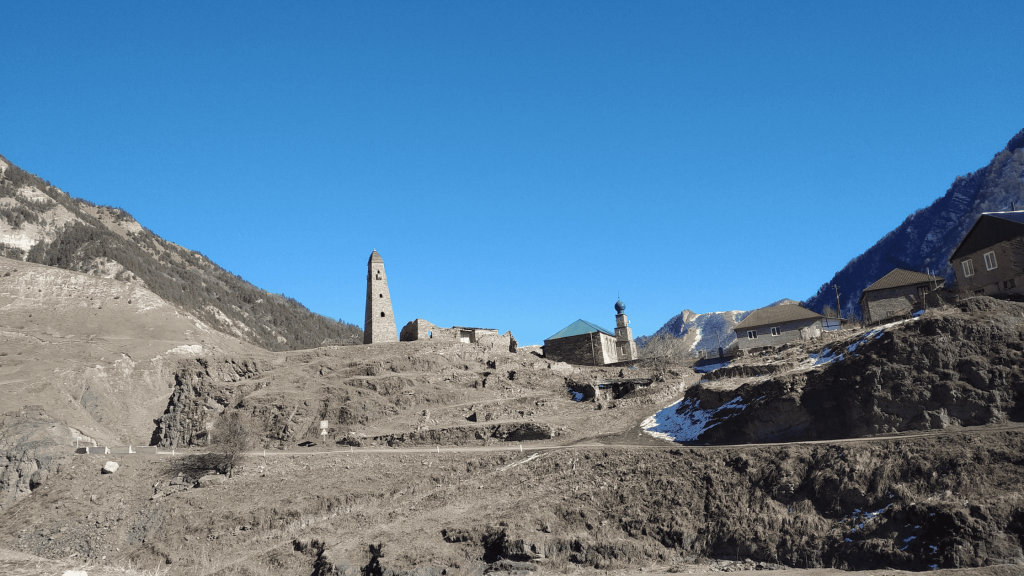
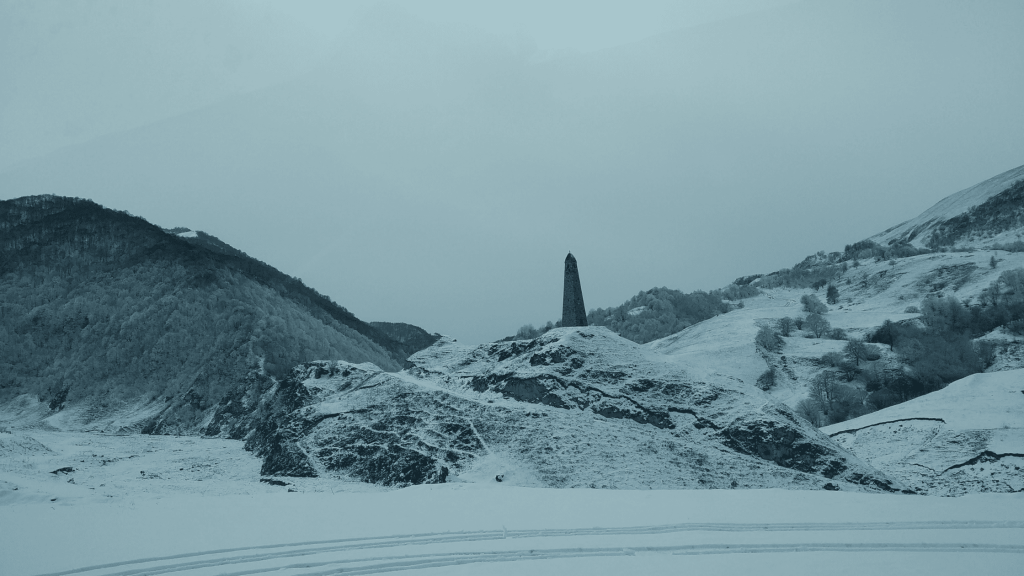
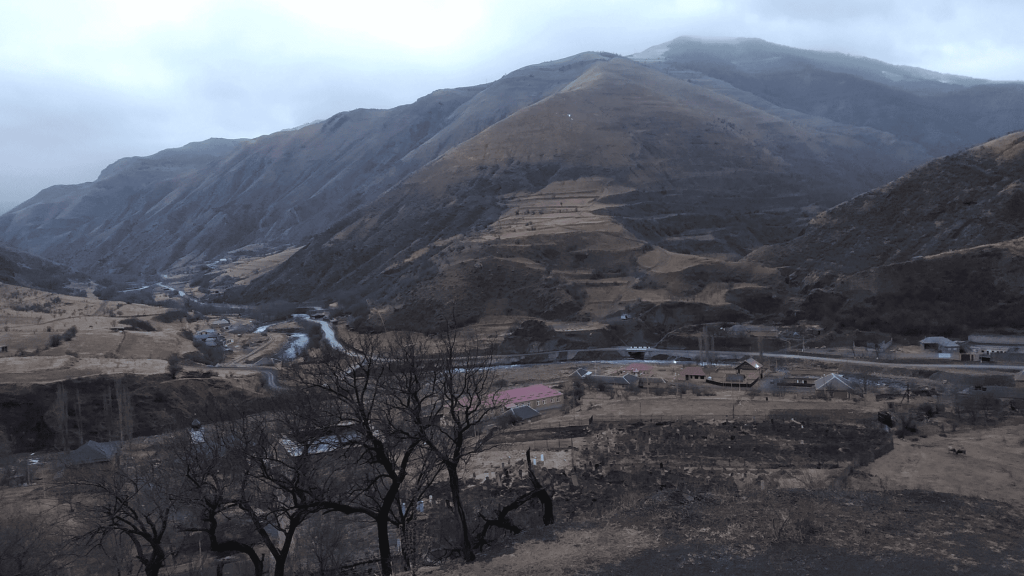
• Argun Gorge: Waterfalls, medieval towers, and fortresses
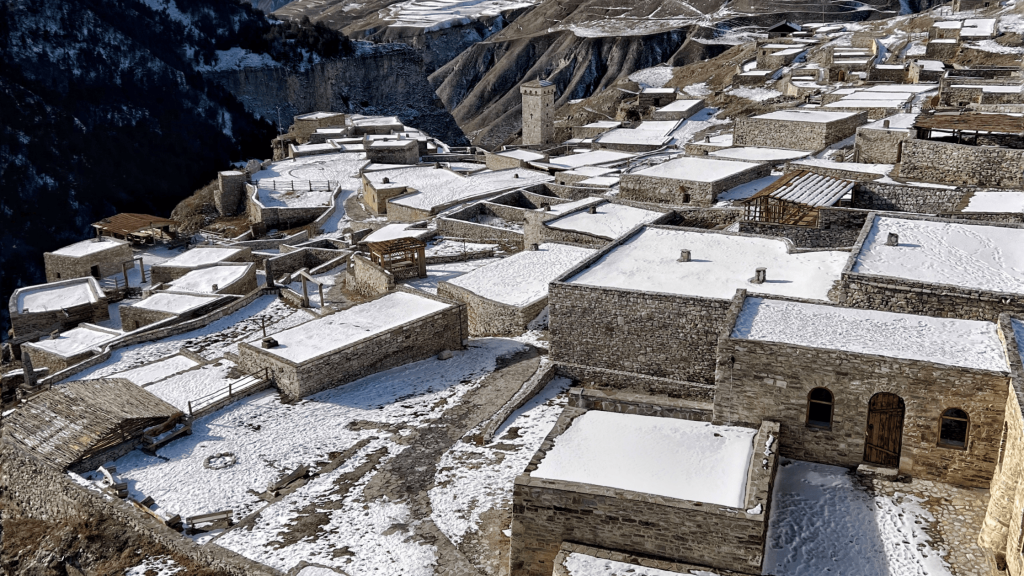
• Khoi: A restored mountain village near Lake Kezenoy-Am. An open-air museum with a mosque, defensive towers, and traditional stone homes.
• Tsoi-Pede: One of the three largest necropolises in the Caucasus, alongside Dargavs and Eltyubyu.


How to find a local guide in Chechnya
I didn’t travel with a guide myself, so I can’t personally recommend one.
But here’s how to find one if you’re looking:
Where to search?
• Instagram is still the best place to find a local guide in Chechnya, despite the ban. In Russia, many small businesses, including tour guides and local agencies, are very active there.
• You can also check Sputnik8, a Russian tour listing platform that offers some excursions in Chechnya. Expect to pay from 3500₽ per day per person for a day trip to the mountains.
Do you need a Chechen guide specifically?
Yes, if possible. A true local will share his culture and social codes with much more authenticity than someone from another region who “knows Chechnya well.” It’s not about skills, but cultural grounding in my opinion.
Quick clues to tell if your guide is Chechen, even before meeting him:
• Chances are his name will be Shamyl, Ramzan, Akhmed, or Akhmat … not Dima.
• He most likely will have a Kadyrov style beard.
FAQ – Traveling to Chechnya in 2026
Recommended books and ressources
Recommended reads
• A dirty war & A small corner of hell by Anna Politkovskaya. Both ★★★★★ (5/5)
• Chienne de Guerre: A Woman Reporter Behind the Lines of the War in Chechnya by Anne Nivat ★★★★☆ (4/5)
• The angel of Grozny by Asne Seierstad ★★★☆☆ (3/5)
• The inseparable twins by Anatoly Pristavkine ★★★★★ (5/5)
• Let our fame be great by Oliver Bullough ★★★★☆ (4/5)
• The Punished people by Alexandr Nekrich ★★★★☆ (4/5)
• Veiled and unveiled in Chechnya & Dagestan by Iwona Kaliszewska & Maciej Falkowski ★★★☆☆ (3/5)
Recommended watch
• Itchkéri Kenti by Florent Marcie: A rare and raw documentary, filmed largely illegally during the height of the Chechen war. Marcie followed the lives of young Chechen fighters with a camera, no staging or narration – just reality, as it unfolded. (French & Russian only) ★★★★★ (5/5)
• Beslan: The Tragedy (Russian documentary with English subtitles): A powerful look back at the 2004 Beslan school hostage crisis, one of the most harrowing events in recent Russian history. ★★★★★ (5/5)
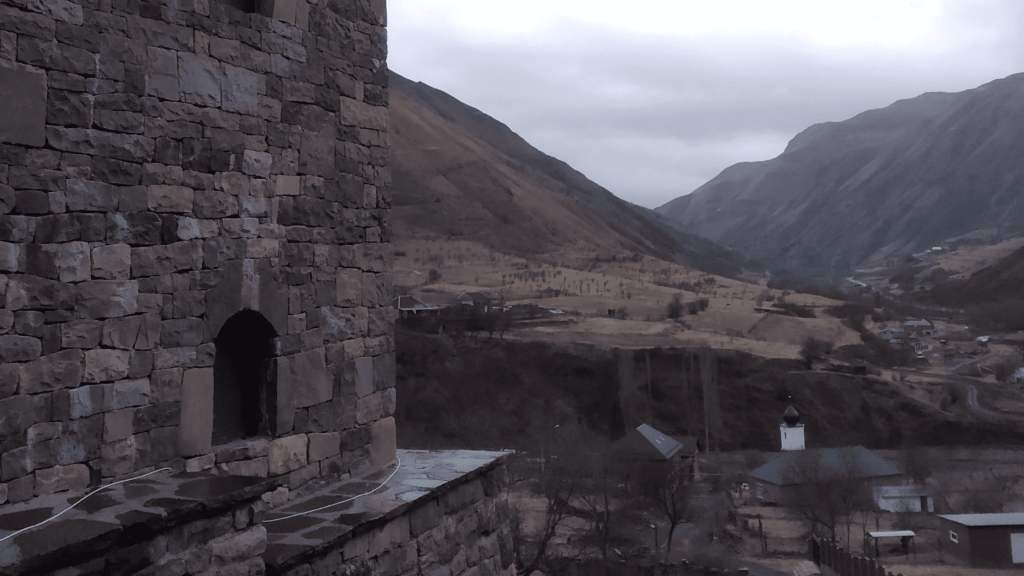 Itum-Kale
Chechnya feels like a country within a country, a proud republic shaped by the turbulent history of the Caucasus, where hospitality isn’t just a word, but an unwritten law. It’s a truly unique region that reminded me of Iran’s Balochistan or the Kalash villages of northern Pakistan: a world apart.
Happy travels in Chechnya!
What if you joined me in the North Caucasus?
I’m considering organizing a small-group trip (6 to 8 people, max 10) to discover the North Caucasus, between historic villages, mountain landscapes, and the culture and local cuisine of the region’s different republics.
If this project interests you, I’ve prepared a short, non-binding form to assess interest in this idea (and there are already a few people interested!).
Discover the project
Local guides or partners interested in collaborating are welcome to get in touch.

Comments (1)
👍🏻👌🏻👌🏻