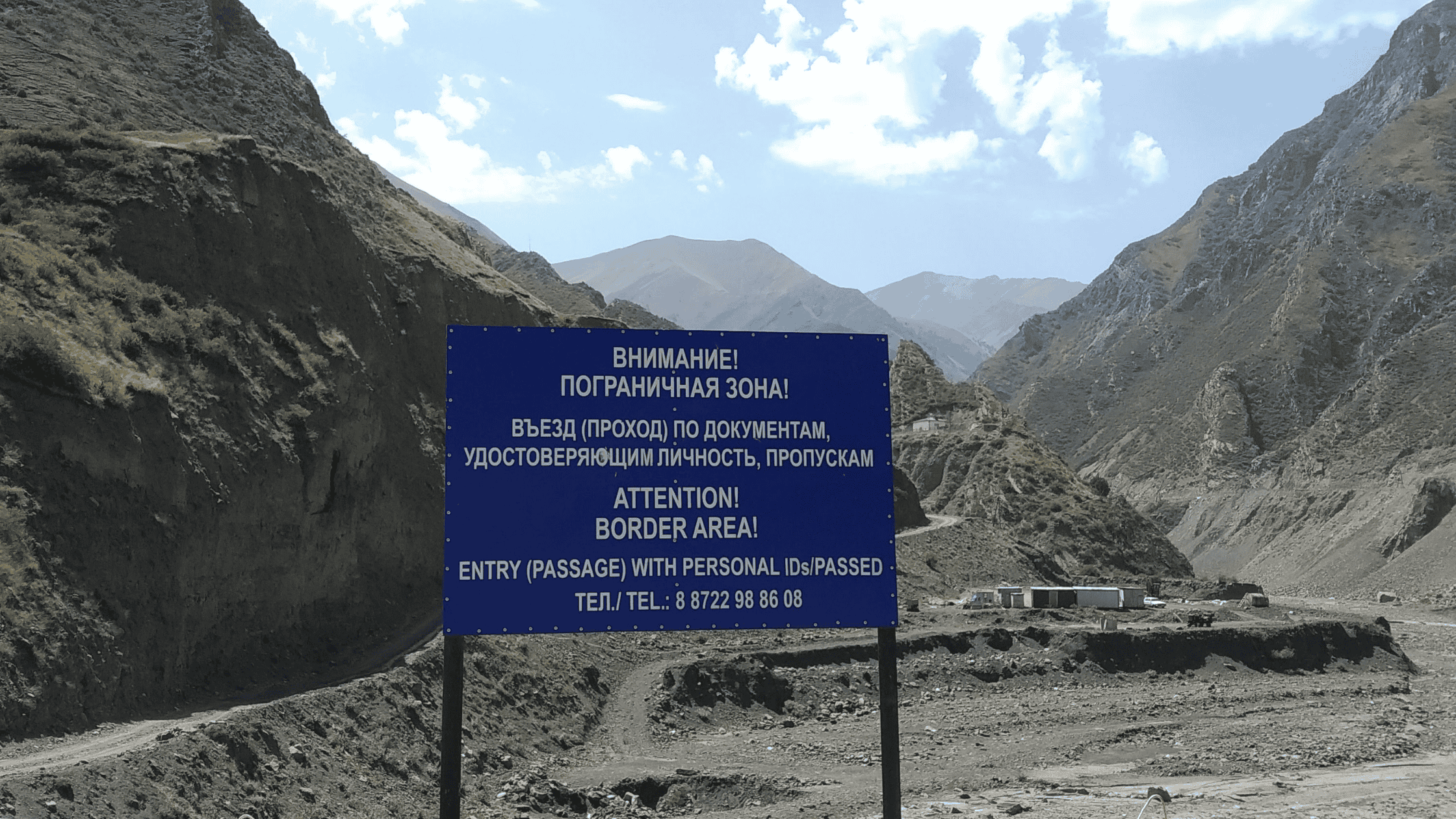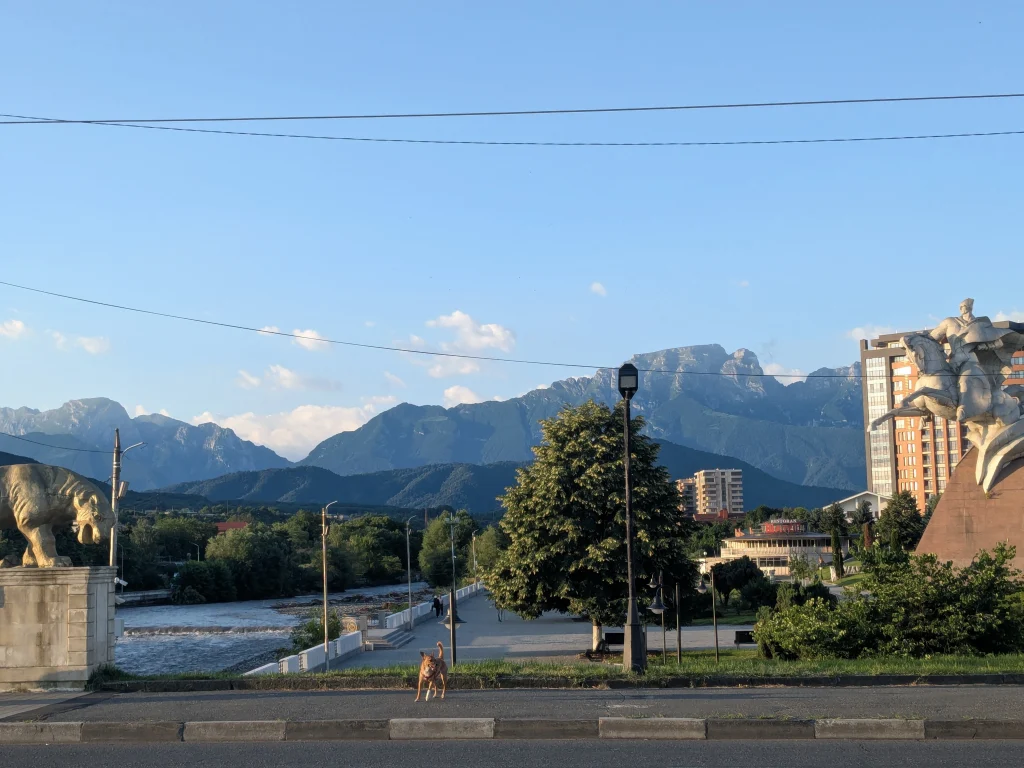
Vladikavkaz is one of those Russian cities that is easy to overlook, and one I keep coming back to. It’s the first major city after the Verkhny Lars-Kazbegi border crossing along the Georgian Military Highway, and the capital of the Republic of North Ossetia-Alania.
I stopped in Vladikavkaz last July, travelling from Tbilisi on my way to Grozny in Chechnya, and after several visits over the years, I still find it one of the most enjoyable cities to spend a day in the North Caucasus.
In summer, the Terek River rushes through the city, while the mountains rise behind Prospekt Mira, the long pedestrian boulevard which is, in my opinion, one of the nicest in Russia. Vladikavkaz is relaxed, walkable and enjoyable to explore, with a mix of Ossetian, Russian and wider Caucasian influences that gives the city a character of its own.
Summer is probably my favourite time to be here: warm enough to enjoy the city, but rarely oppressively hot thanks to its proximity to the mountains.
If you’re travelling on a transit visa towards Kazakhstan, or simply have limited time in the North Caucasus, Vladikavkaz is one of the three stops I would prioritise, alongside Grozny and Derbent.
If you only have one day in Vladikavkaz, this is how I would recommend you to spend 24 hours in the city, based on my own visits over the years.
Vladikavkaz in one day: at a glance
• Best for: architecture, Ossetian culture, food and Caucasian atmosphere
• Getting around: tram, marshrutka & buses
• Best time: late spring to early autumn
• My route: Prospekt Mira → historic centre → Kosta Khetagurov Park → Terek River → cafés/food → sunset walk
• Good to know: Vladikavkaz is compact enough to explore comfortably on foot
My 24-hour Vladikavkaz itinerary
Start on Prospekt Mira
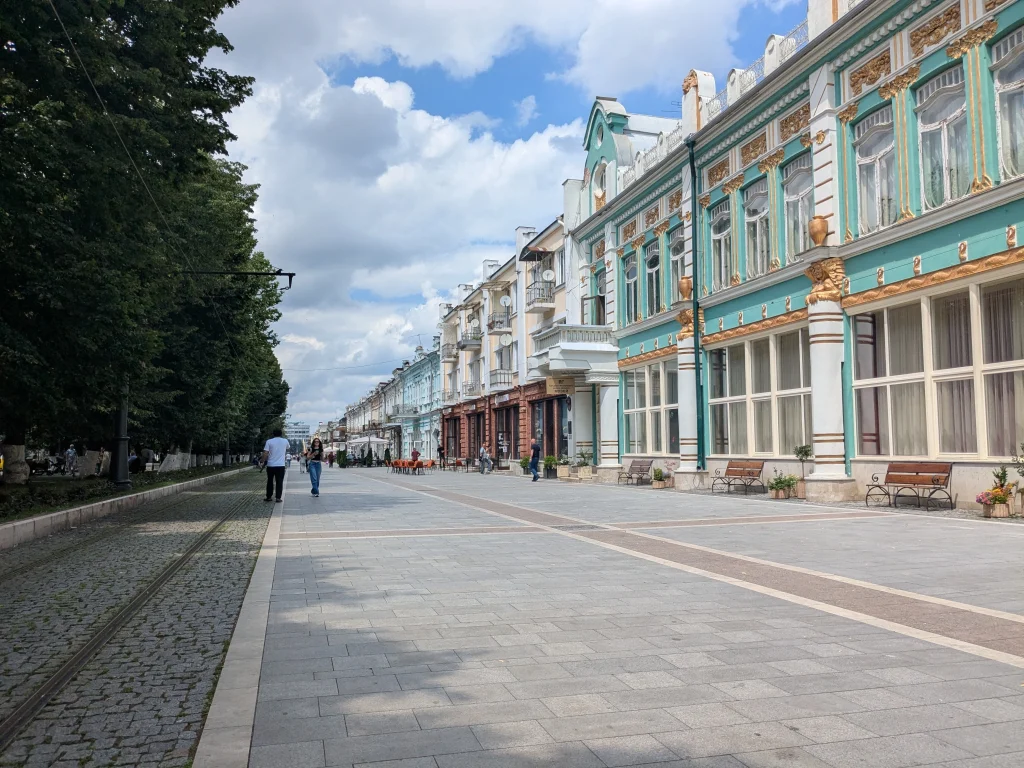
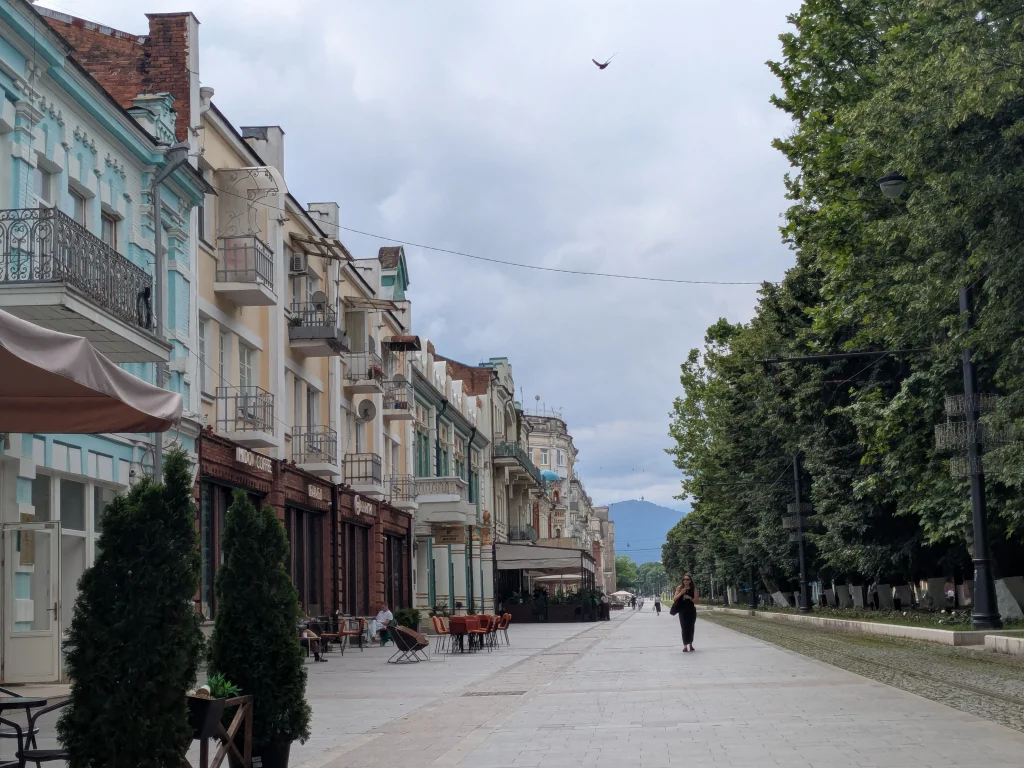
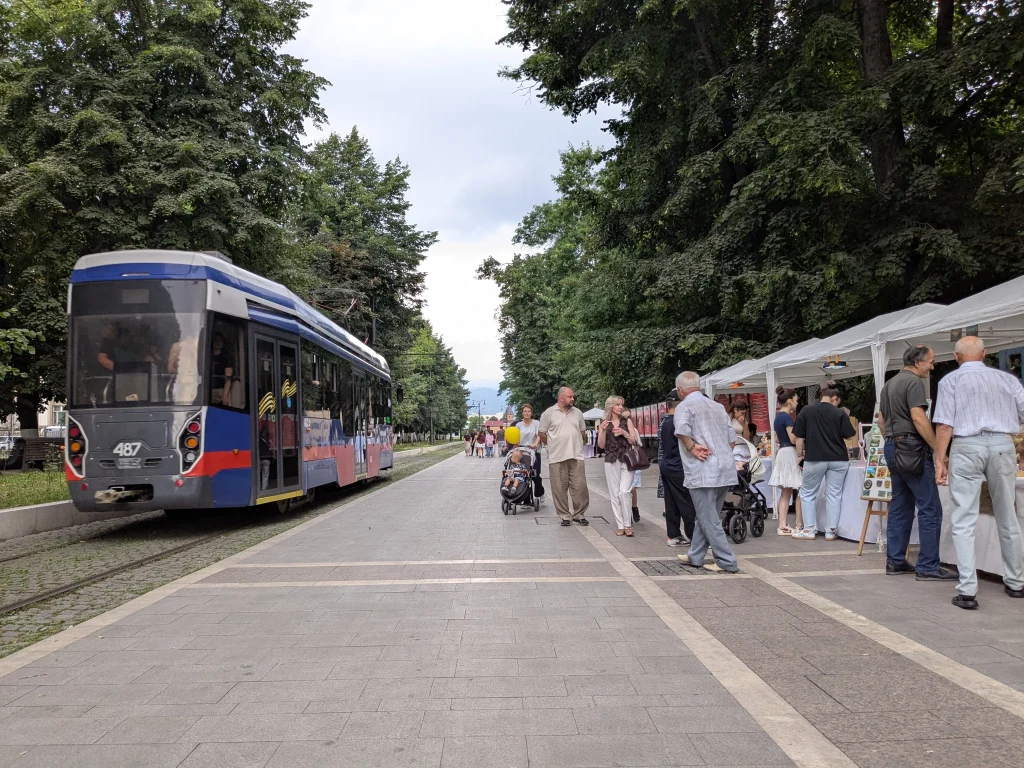
Prospekt Mira is a long pedestrian boulevard running through the heart of the city and is probably my favourite place to simply wander. Trams run along the street, while the surrounding buildings, restaurant terraces and shops give it a lively but relaxed atmosphere.
In summer, Prospekt Mira is particularly pleasant. You can walk beneath the trees, listen to Radio Gora (“Radio mountain”) playing outside, stop for a coffee on a street terrace, browse small shops and galleries, and look towards Stolovaya Gora, the mountains of Ingushetia at the end of the street.
Coming from Tbilisi, you might notice how it is remarkably clean and feels orderly, that’s Russia. There is just something very easy-going about Vladikavkaz.
Explore Vladikavkaz’s historic centre
From Prospekt Mira, continue exploring Vladikavkaz’s historic centre on foot. This is where I think the city becomes particularly interesting, because the architecture tells you quite a lot about its complicated history.
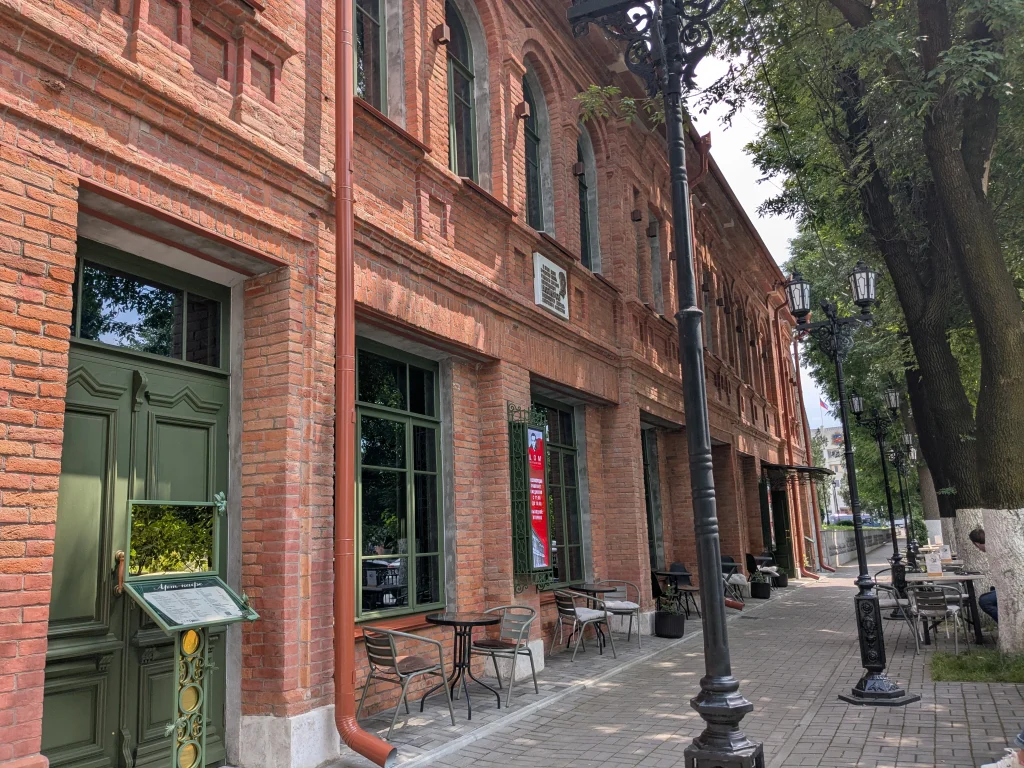
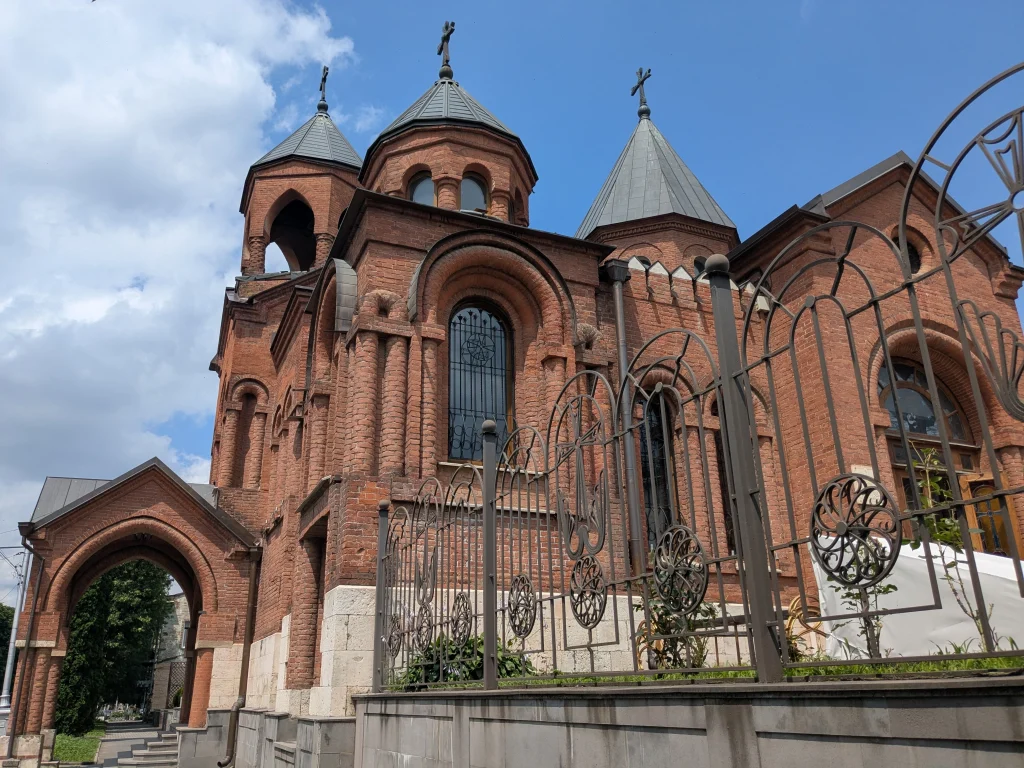
Look out for the red-brick historic buildings and the old imperial-era architecture around the centre. Vladikavkaz began as a Russian military outpost in the early 19th century, near the Ingush settlement of Zaur, and some of its oldest buildings still reflect that military and administrative past. Over time, merchants, military officers and different ethnic and religious communities also helped shape the city.
One of the things I particularly like about Vladikavkaz is how much of this history is visible within a relatively small area. You can come across a Russian Orthodox church, an Armenian church, a mosque and the Lutheran church within the same broader historic centre.
Discover Ossetian culture and heritage
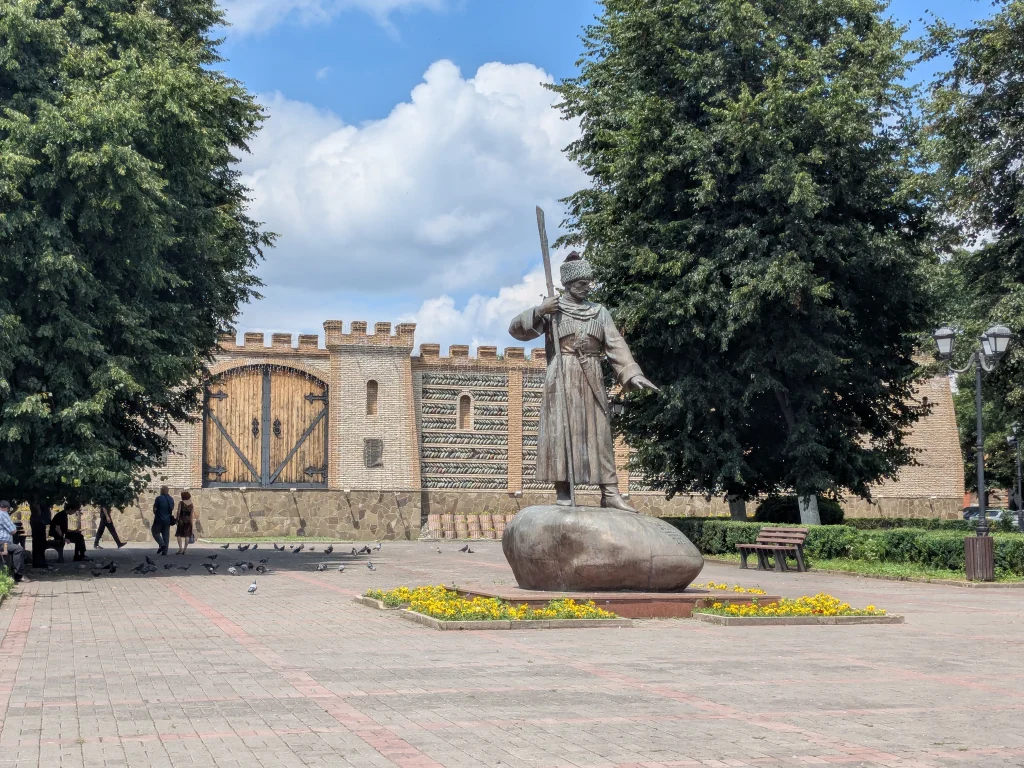
Like the other republics of the North Caucasus, North Ossetia has a strong and distinctive cultural identity. Ossetians have their own language, traditions and heritage, and Vladikavkaz reflects this identity alongside its broader Caucasian and Russian influences.
If you want to learn more about the region’s history and traditions, I recommend visiting the Alania Museum. But you don’t necessarily need to go to a museum to experience Ossetian culture. Much of it is simply part of everyday life in Vladikavkaz, from the architecture and language to the food.
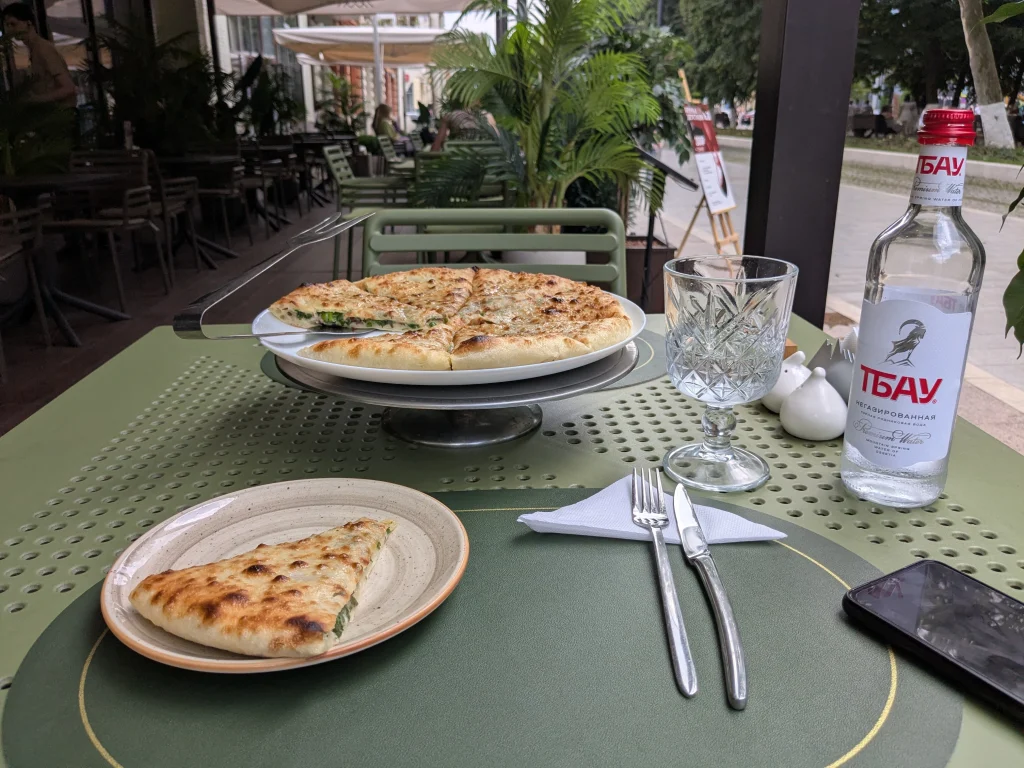
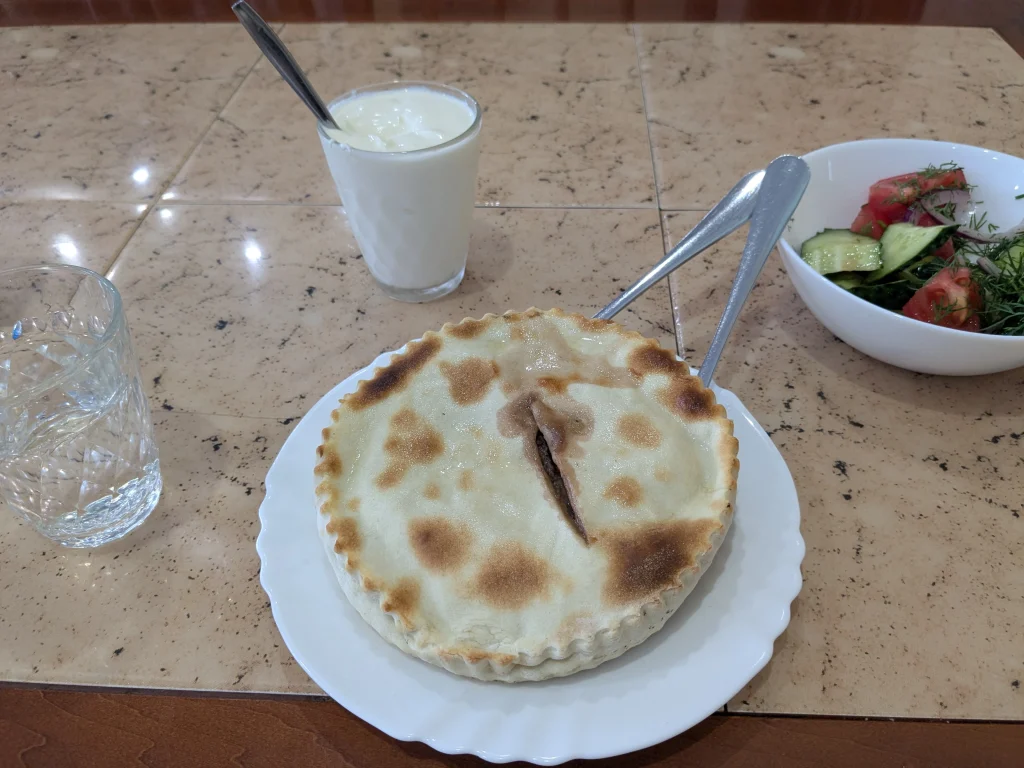
Speaking of which, you can’t spend a day in Vladikavkaz without trying Ossetian pies, or ossetinskiye pirogi. Ossetia is famous throughout Russia for them, and you’ll easily find them in restaurants around the city.
The classic savoury versions include Tsakharajyn, filled with cheese and beetroot leaves (trust me, it’s delicious); Fydzhyn, filled with minced meat; and Kartofdzhyn, made with potatoes and cheese.
You’ll also come across sweet versions, like the cherry-filled pies. In some places, they’re served warm with a scoop of vanilla ice cream on top.
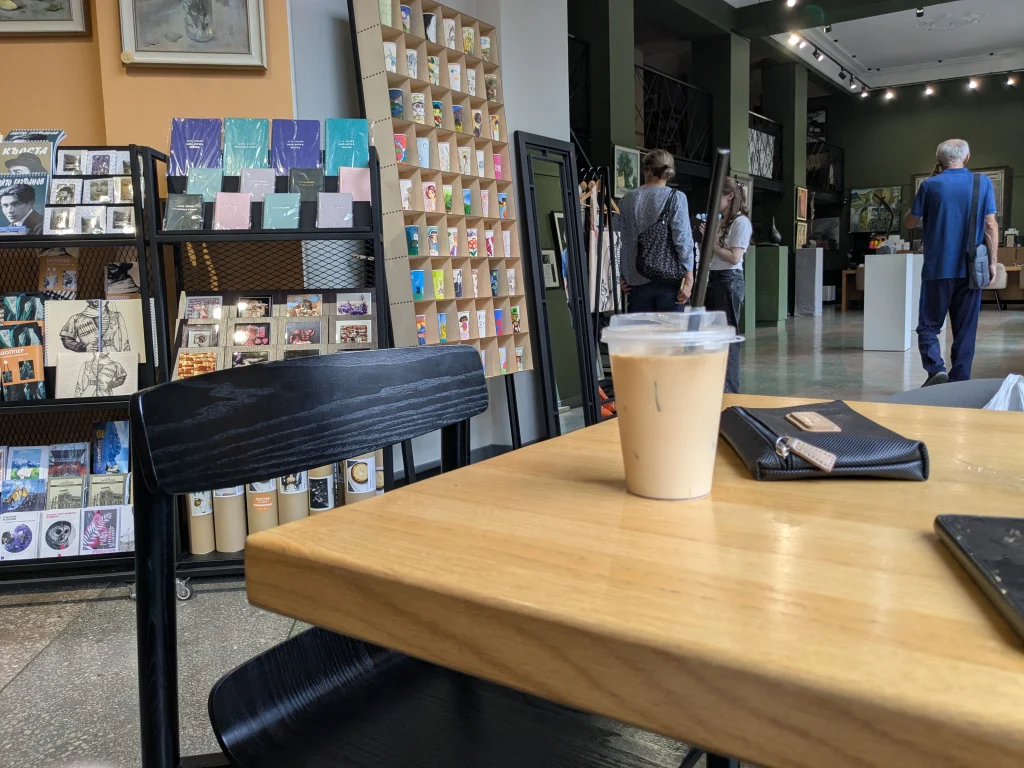
Like other cities in the North Caucasus, coffee culture is big in Vladikavkaz and coffee shops are popular meeting places, and you’ll find plenty of them around the centre and along Prospekt Mira.
Walk through Kosta Khetagurov Park
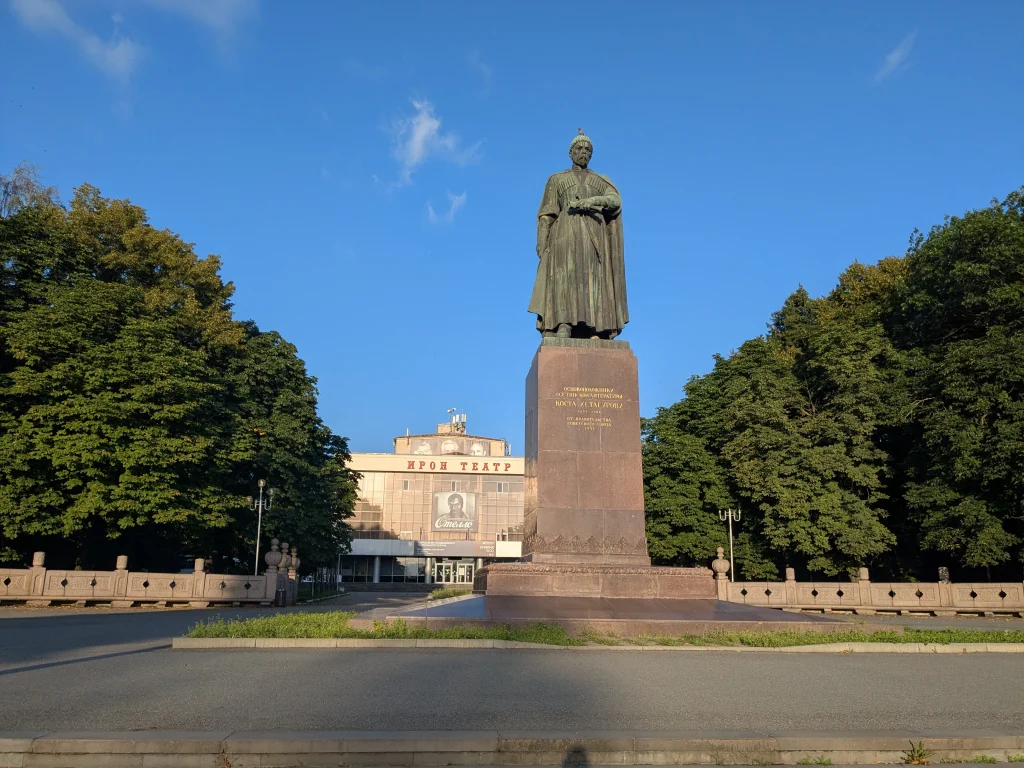
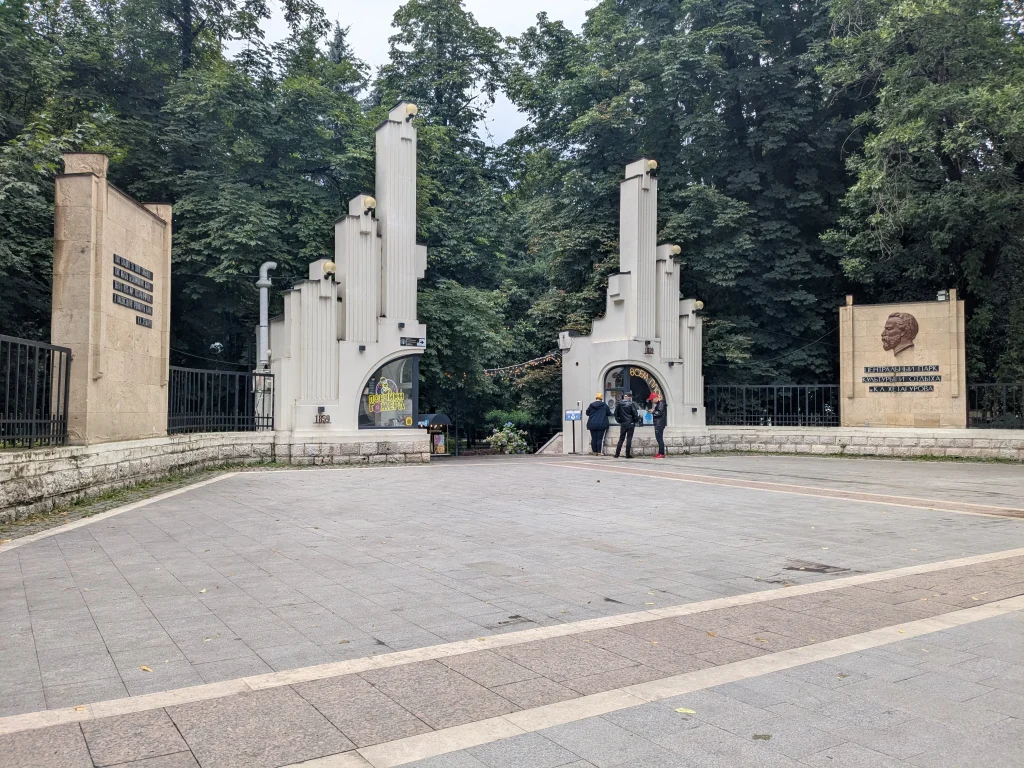
Just off Prospekt Mira, Kosta Khetagurov Park is a good place to slow down for a while.
Named after Kosta Khetagurov, the national poet of Ossetia, the park is fairly large and makes a pleasant break from walking around the city. On summer afternoons, you’ll see locals using the park as a place to meet and relax, including teenagers practising Lezginka, the traditional Caucasian dance.
Walk along the Terek River
Eventually, make your way towards the Terek River.
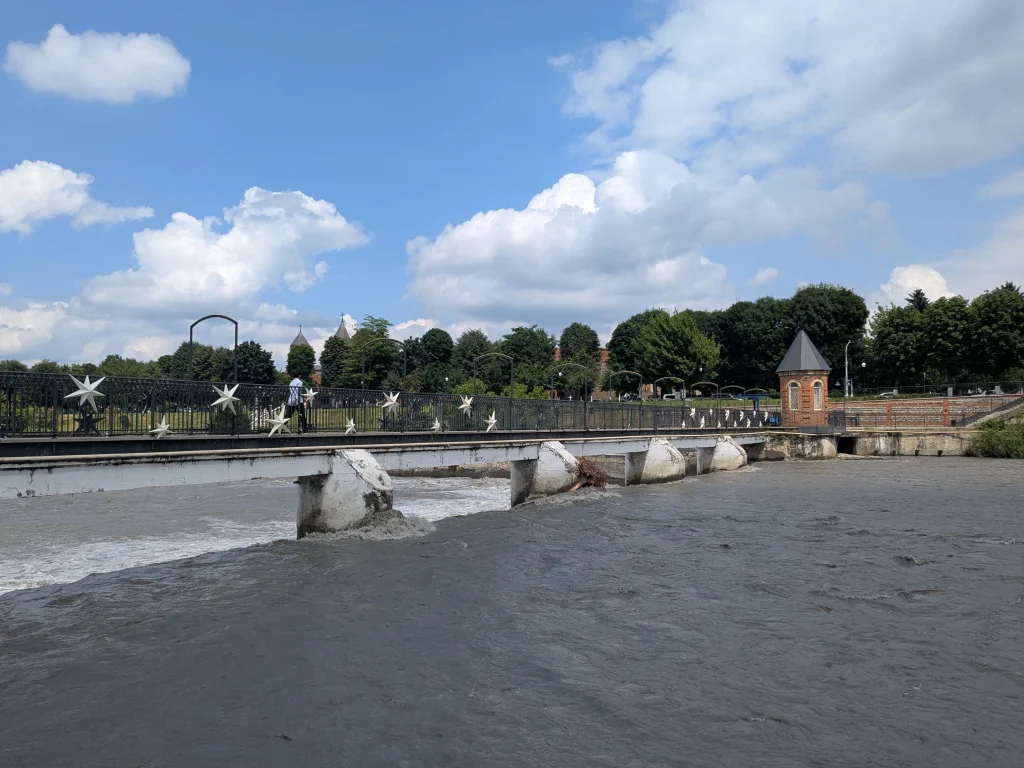
The Terek is one of the defining features of Vladikavkaz, and in summer it can be very powerful as it rushes down from the Caucasus mountains. If you’re interested in 19th-century history and literature, you’ve probably come across the Terek many times before, it has been an important geographical landmark in accounts of the Caucasus for centuries.
Walking along the river gives you a different perspective on Vladikavkaz, with the water, the city and the mountains all coming together. On a clear day, you can also see the distinctive Stolovaya Gora (Table Mountain) in neighbouring Ingushetia.
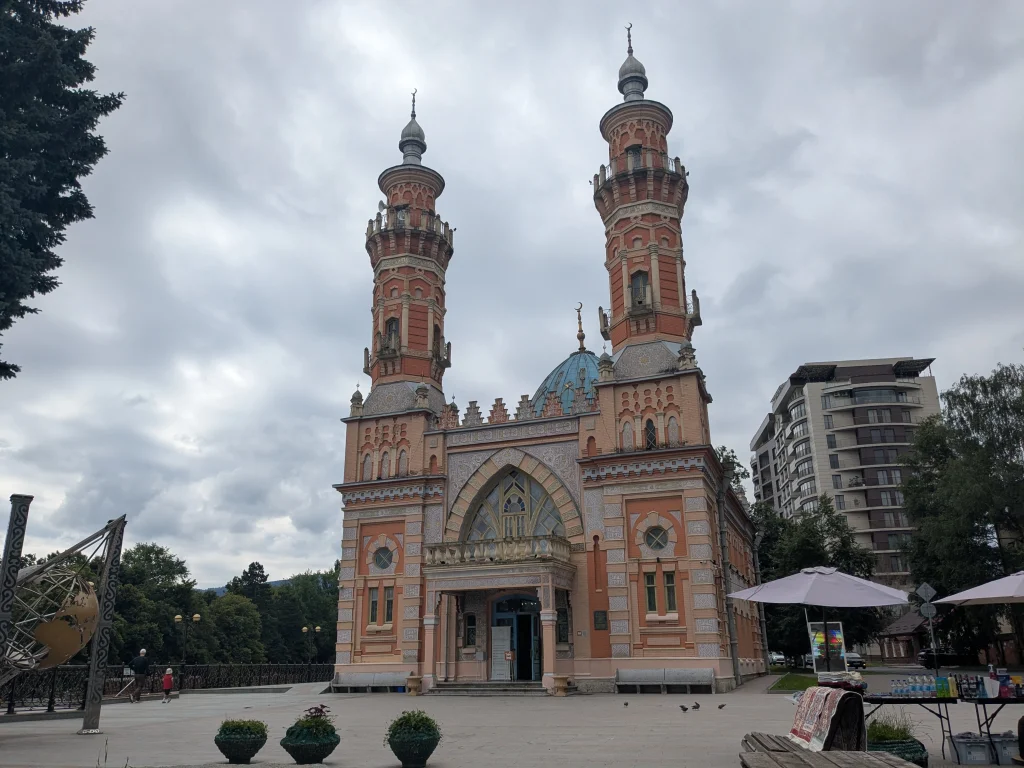
Along the Terek you’ll also see the Mukhtarov Mosque, one of the most distinctive mosques in the North Caucasus. Built in the early 20th century, it stands directly on the riverbank and is one of Vladikavkaz’s most recognisable landmarks.
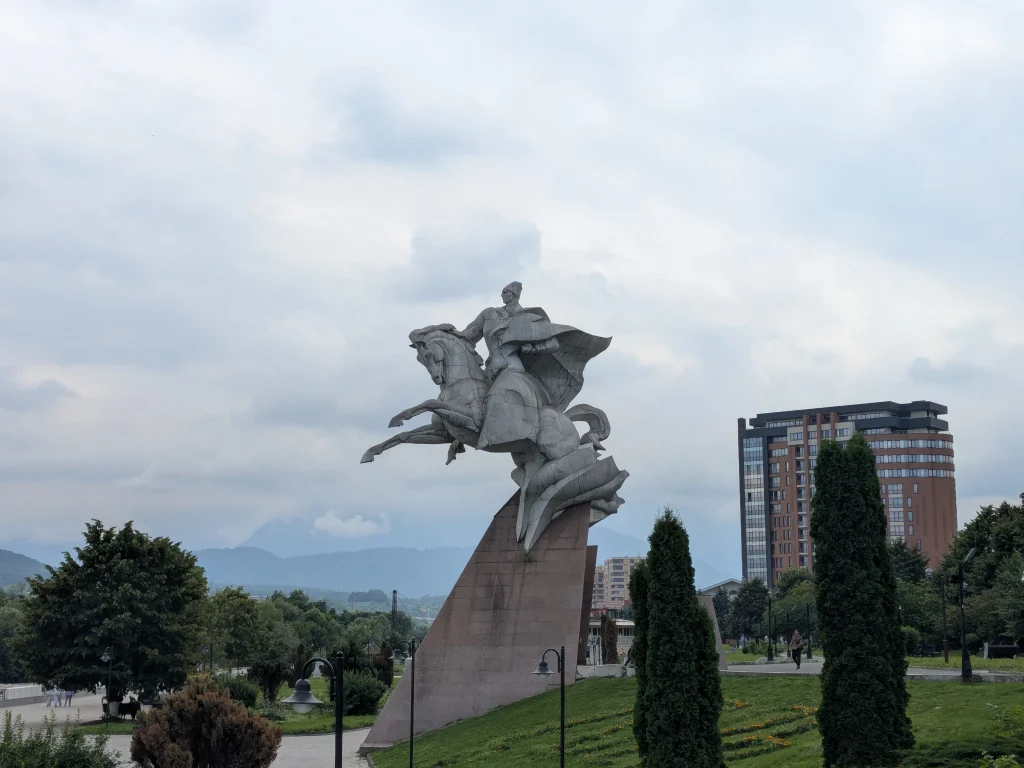
Keep walking a little further and you’ll come across another of Vladikavkaz’s most recognisable landmarks: the equestrian statue of General Issa Pliyev, one of the most prominent military figures associated with North Ossetia.
My 24-hour Vladikavkaz itinerary
Start on Prospekt Mira
Prospekt Mira is a long pedestrian boulevard running through the heart of the city and is probably my favourite place to simply wander. Trams run along the street, while the surrounding buildings, restaurant terraces and shops give it a lively but relaxed atmosphere.
In summer, Prospekt Mira is particularly pleasant. You can walk beneath the trees, listen to Radio Gora (“Radio mountain”) playing outside, stop for a coffee on a street terrace, browse small shops and galleries, and look towards Stolovaya Gora, the mountains of Ingushetia at the end of the street.
Coming from Tbilisi, you might notice how it is remarkably clean and feels orderly, that’s Russia. There is just something very easy-going about Vladikavkaz.
Explore Vladikavkaz’s historic centre
From Prospekt Mira, continue exploring Vladikavkaz’s historic centre on foot. This is where I think the city becomes particularly interesting, because the architecture tells you quite a lot about its complicated history.
Look out for the red-brick historic buildings and the old imperial-era architecture around the centre. Vladikavkaz began as a Russian military outpost in the early 19th century, near the Ingush settlement of Zaur, and some of its oldest buildings still reflect that military and administrative past. Over time, merchants, military officers and different ethnic and religious communities also helped shape the city.
One of the things I particularly like about Vladikavkaz is how much of this history is visible within a relatively small area. You can come across a Russian Orthodox church, an Armenian church, a mosque and the Lutheran church within the same broader historic centre.
Discover Ossetian culture and heritage
Like the other republics of the North Caucasus, North Ossetia has a strong and distinctive cultural identity. Ossetians have their own language, traditions and heritage, and Vladikavkaz reflects this identity alongside its broader Caucasian and Russian influences.
If you want to learn more about the region’s history and traditions, I recommend visiting the Alania Museum. But you don’t necessarily need to go to a museum to experience Ossetian culture. Much of it is simply part of everyday life in Vladikavkaz, from the architecture and language to the food.
Speaking of which, you can’t spend a day in Vladikavkaz without trying Ossetian pies, or ossetinskiye pirogi. Ossetia is famous throughout Russia for them, and you’ll easily find them in restaurants around the city.
The classic savoury versions include Tsakharajyn, filled with cheese and beetroot leaves (trust me, it’s delicious); Fydzhyn, filled with minced meat; and Kartofdzhyn, made with potatoes and cheese.
You’ll also come across sweet versions, like the cherry-filled pies. In some places, they’re served warm with a scoop of vanilla ice cream on top.
Like other cities in the North Caucasus, coffee culture is big in Vladikavkaz and coffee shops are popular meeting places, and you’ll find plenty of them around the centre and along Prospekt Mira.
Walk through Kosta Khetagurov Park
Just off Prospekt Mira, Kosta Khetagurov Park is a good place to slow down for a while.
Named after Kosta Khetagurov, the national poet of Ossetia, the park is fairly large and makes a pleasant break from walking around the city. On summer afternoons, you’ll see locals using the park as a place to meet and relax, including teenagers practising Lezginka, the traditional Caucasian dance.
Walk along the Terek River
Eventually, make your way towards the Terek River.
The Terek is one of the defining features of Vladikavkaz, and in summer it can be very powerful as it rushes down from the Caucasus mountains. If you’re interested in 19th-century history and literature, you’ve probably come across the Terek many times before, it has been an important geographical landmark in accounts of the Caucasus for centuries.
Walking along the river gives you a different perspective on Vladikavkaz, with the water, the city and the mountains all coming together. On a clear day, you can also see the distinctive Stolovaya Gora (Table Mountain) in neighbouring Ingushetia.
Along the Terek you’ll also see the Mukhtarov Mosque, one of the most distinctive mosques in the North Caucasus. Built in the early 20th century, it stands directly on the riverbank and is one of Vladikavkaz’s most recognisable landmarks.
Keep walking a little further and you’ll come across another of Vladikavkaz’s most recognisable landmarks: the equestrian statue of General Issa Pliyev, one of the most prominent military figures associated with North Ossetia.
I share the behind the scenes of my travels (real-time stories, messy bits etc) on Telegram

Practical information for visiting Vladikavkaz
How to get around Vladikavkaz
Vladikavkaz is easy to explore on foot, particularly if you’re staying in the city centre. For longer distances, the city’s tram, bus and marshrutka network is good and inexpensive.
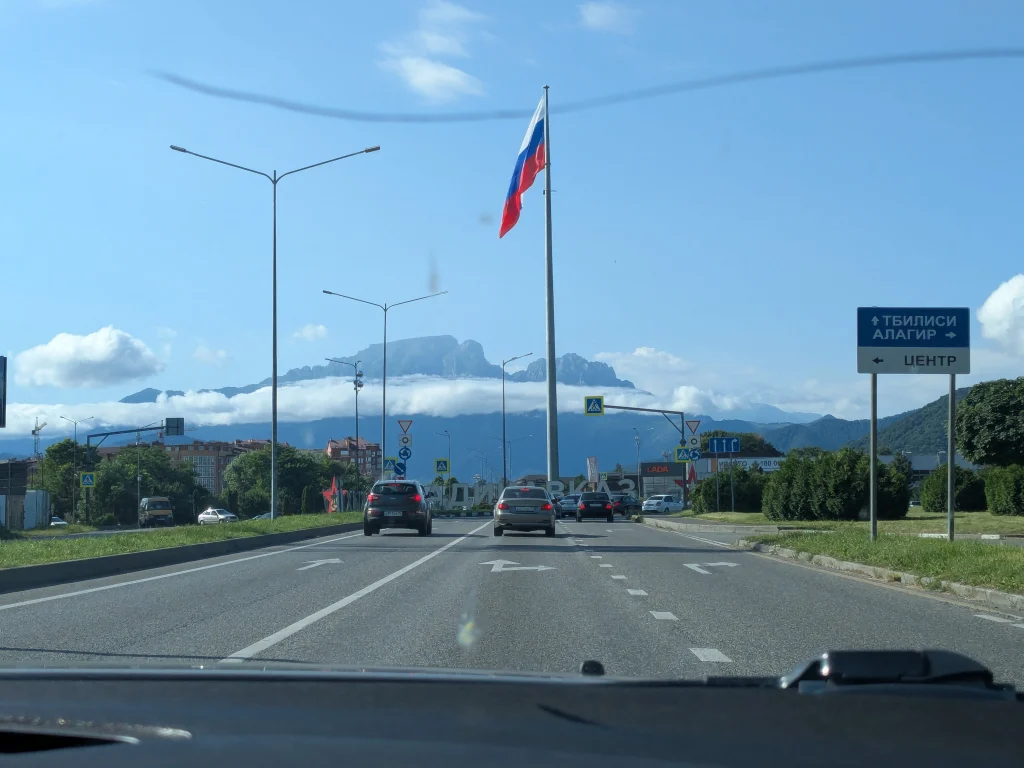
One small thing to keep in mind: during my July 2026 visit, the GPS wasn’t always completely reliable. My phone often decided I was in Georgia rather than Vladikavkaz, so don’t be surprised if your location jumps around a little (a lot!).
Where to stay in Vladikavkaz
There are plenty of accommodation options in Vladikavkaz, although prices can sometimes be surprisingly high. Over the years, I’ve struggled to find a place I really liked, but during my latest visit I stayed at Parson Hostel and would happily recommend it to budget travellers. They offer both dormitories and private rooms.
It’s in a very convenient central location, within walking distance of Prospekt Mira and the Terek River. The hostel is very clean, the female dorm is comfortable, and the reception is open 24/7. The young woman working there was particularly lovely and welcoming, although don’t expect much English to be spoken.
There’s a coffee shop on the ground floor, which makes it particularly convenient if you want to grab a coffee before heading out to explore the city.
Before you book:
As of September 2026, Ostrovok accepts Mastercard payments only. Visa cards are not currently supported.
Is Vladikavkaz worth visiting?
Absolutely! If you’re travelling through the North Caucasus, I think Vladikavkaz is one of the easiest cities to add to your itinerary, and one of the most pleasant places to simply slow down for a day. The city center is compact, walkable and has a completely different atmosphere from somewhere like Grozny or Derbent.
I keep coming back to Vladikavkaz, and if I only had 24 hours in the city, I’d happily spend the day walking along Prospekt Mira, eating an Ossetian pie and following the Terek River.
Happy travels!
📌 Also worth reading about North Ossetia – Alania
• How to get from Tbilisi to Grozny (via Vladikavkaz) by marshrtuka
• How to cross the Russia – Georgia border (Verkhny Lars/Kazbegi
• Traveling to North Ossetia: Visa, safety tips & how to get there
• 10 must-visit places in North Ossetia
• How to visit Dargavs, the City of the Dead