If you’re planning an Arctic trip that’s raw, remote, and nothing like the typical Russia experience, the Kola Peninsula, also known as the Murmansk Oblast, is one of Europe’s last wild frontiers, and one of the most underrated regions I’ve ever visited.
I thought I had planned carefully. But minutes after arriving in Kandalaksha, the Kola’s first major town, the FSB derailed half my itinerary with one word: “Niet.” Turns out, foreigners aren’t allowed everywhere.
Located above the Arctic Circle, near Norway and Finland, the Kola Peninsula is a land of endless boreal forests – where the trees grow shorter the farther north you go – windswept tundra, crumbling Soviet-era towns, and icy roads that stretch for hours. You’ll find Murmansk, the largest city in the world above the Arctic Circle; remote Sami & Pomor villages; and Kirovsk, a mining town turned ski hub in the Khibiny Mountains.
With some planning, it’s entirely possible to explore the region independently: by train, bus, or even hitchhiking.
In this 2026 travel guide, I’ll share everything I wish I knew before going, from legal restrictions (there’s an official map), to itinerary tips, FSB encounters, and Arctic highlights like Teriberka, Lovozero and the Tersky Coast.
Last updated 27 May 2026

Why travel to the Kola Peninsula in 2026? Location, safety & insider tips
Where is the Kola Peninsula – and what makes Murmansk Oblast unique?
The Kola Peninsula sits in Russia’s far northwest, stretching above the Arctic Circle between Finland, Norway, the icy Barents Sea, and the calmer White Sea. This is Russia’s Arctic frontier: a vast, untamed wilderness of tundra, wild coastlines, and hilly mountains.
Murmansk, the largest city above the Arctic Circle, is a gritty Soviet port that couldn’t be more different from Moscow’s polished streets (I love it!). The surrounding landscape shifts dramatically, the tundra and frozen expanses resemble Canada in winter, while the nearby Khibiny Mountains reminded me of the beautiful Scottish Highlands in autumn. Here, nature rules, and time feels suspended.
Is it safe to travel to Murmansk Oblast and the Kola Peninsula?
Yes – it’s safe, as long as you know the rules.
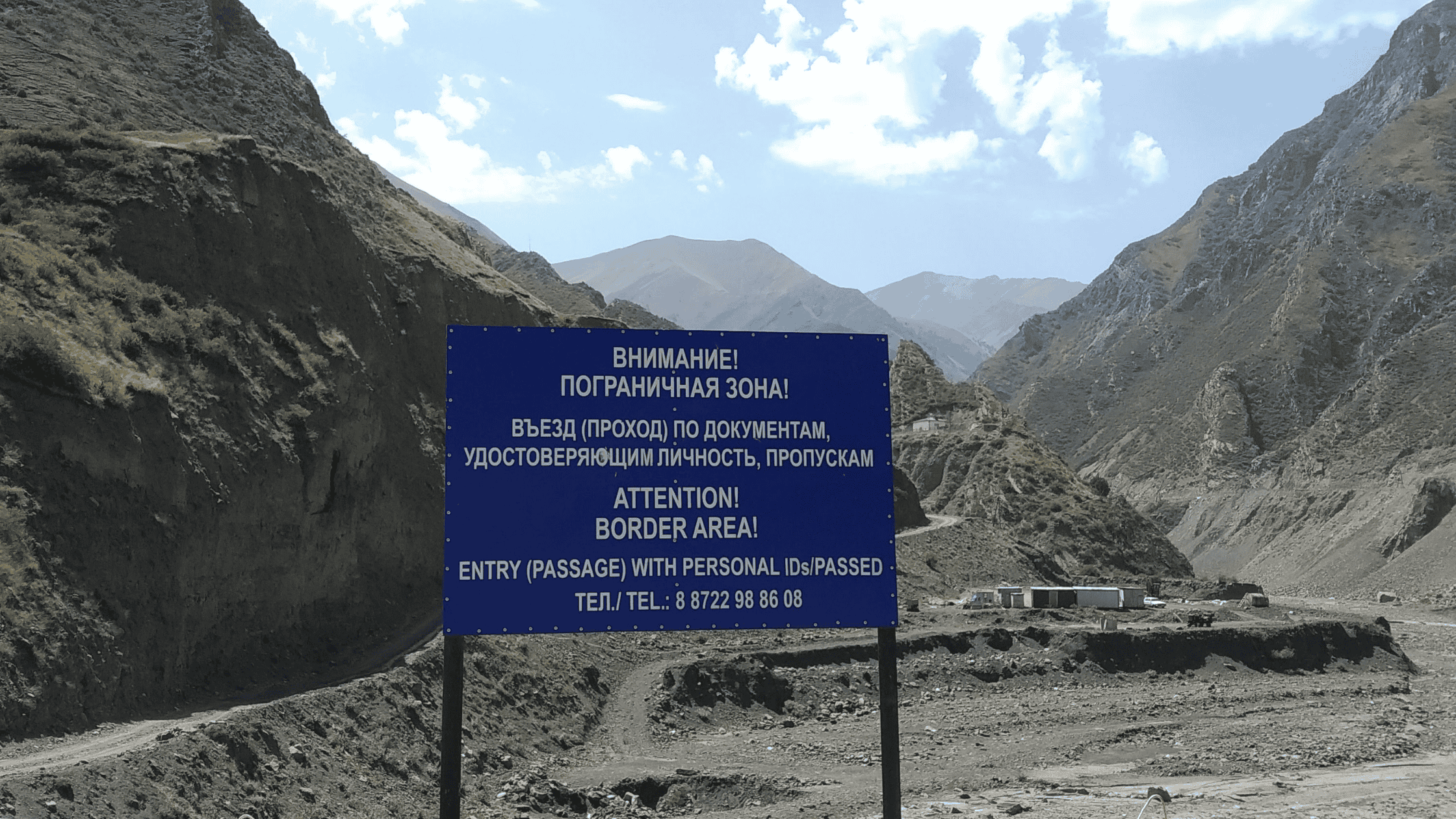
Crime is low and most locals are welcoming, but the Kola Peninsula isn’t like the rest of Russia. It’s a militarized region: Severomorsk, just north of Murmansk, is home to the Russian Northern Fleet, and many areas are off-limits to foreigners without a special permit, including military zones, mining settlements, and entire towns near the borders with Norway and Finland.
The key to avoiding trouble? Know where you can’t go, and respect Russia’s internal border regulations. There’s an official map (linked below) that marks all restricted zones: study it carefully.
Because getting stopped by the FSB for wandering into a closed area isn’t just inconvenient, it can wreck your entire trip.
 Kirovsk
Why 2026 is the year to visit the Kola Peninsula
Accessibility is finally catching up to the raw beauty of the Russian Arctic.
When I first traveled to the Kola Peninsula in winter 2015, it felt like stepping into another world: poor infrastructure, freezing cold, and total darkness (I don’t remember what naive younger me was expecting though, it was in December). The isolation was (still is) real.
But fast forward to today, and a lot has changed. There’s more (and better) accommodation, and overall better tourist infrastructure, thanks in part to Russia’s post-COVID domestic tourism boom and the shift caused by Western sanctions.
The regional government is even promoting Arctic tourism now, with a slogan plastered all over: “In the North, we live!” НА СЕВЕРЕ – ЖИТЬ!
A bold claim, considering winters often hit -20°C or lower, and the sun vanishes for weeks.
But honestly? It grows on you. I’ve been twice, and I’d go again in a heartbeat.
And when it comes to the Northern Lights, the Murmansk region is one of the best places on Earth to see them. No overpriced tours, no aurora-hunting crowds like in Iceland or Tromsø, just pitch-black tundra & taiga, and auroras dancing across the Arctic sky in silence.
If you’ve ever dreamed of chasing the Northern Lights somewhere that’s untouched by mass tourism, 2026 is the time to go to the Kola Peninsula.

Kandalaksha: Your first stop in Arctic Russia (and a chat with the FSB)
Kandalaksha is the first Arctic town you’ll hit coming from the south – located by the White Sea, just beyond the Arctic Circle. Remote? Yes – Peaceful? Sort of.
When I arrived by train, the FSB was waiting at my carriage door. A tall, smiley man in his 40’s stood there, clearly expecting me. Hard to miss the lone French tourist on the phone with her mom.
“Maman, I’ll call you back – the FSB is here.”
She yelled: “What, AGAIN?”
He smiled.
I was taken to a crappy little interrogation room, with a few more FSB guys. They asked for my passport, politely requested to check my phone (mostly photos), and within five minutes they had derailed half my Kola Peninsula travel plans.
“Niet. You can’t go there. It’s restricted area. You need a special permit.”
I thought I’d done my homework properly. I had not.
They were friendly, polite, and professional the entire time (maybe 30 minutes). They even offered me a ride to my hotel – which I declined, I wanted to walk.
If you’re arriving in Kandalaksha by train, expect to meet them. It seems like they check every single foreigner stepping off that train. No need to panic, they’re just doing their jobs.
 Road from Kandalaksha to Umba
 Kandalaksha
Areas foreigners cannot visit with/without a permit in the Murmansk Region: Border zone and closed towns
Don’t just take my word for it – always check with the FSB if you want to visit the following places – they do respond to emails, better contact them in Russian though. As of 2026, several locations in Murmansk Oblast remain fully or partially closed to foreign travelers due to military or border-zone restrictions.
• ZATO (Closed Administrative-Territorial Formations)
These are usually closed military towns, often associated with naval or defense infrastructure. As far as I know, foreigners cannot enter and even Russian citizens need prior clearance.
– Zaozyorsk (formerly Zaozyorny, Severomorsk-7, Murmansk-150): Founded in 1958, Zaozyorsk became a major submarine base for the Soviet Union. It now houses Russia’s Bolshaya Lopatka naval base, part of the Northern Fleet. Almost all residents work in the military.
– Severomorsk: The main headquarters of Russia’s Northern Fleet. There is a checkpoint at the town entrance. Technically, Russian citizens can enter with a clearance letter – I met a Russian tourist who managed to visit but he refused to give me his contact … Whether foreigners can request such clearance is unclear to me.
– Vidyaevo, Ostrovnoy and Alexandrovsk: All part of Murmansk Oblast’s ZATO towns.
• Border zone areas – Restricted for foreign nationals
A narrow strip – roughly 15 to 20 kilometers wide – runs along the borders with Norway and Finland. This is Russia’s official border zone: a tightly monitored area under the control of the FSB. Foreigners cannot go there without a special border zone permit, unless simply passing through on the main road to the Borisoglebsk-Storskog border crossing with Norway. It incluses:
– Pechenga District (incl. Rybachy Peninsula): Large parts of the Pechenga region – especially hiking routes near/within the Rybachy and Sredny Peninsulas – lie within the border zone. You’ll need clearance to explore legally.
– Barents Sea Islands: Certain Arctic islands and coastal areas fall under military jurisdiction. Rybachy Peninsula, for instance, looks wild and open, but it’s still considered sensitive.
– Unsure about Zapolyarny & Nikel: These towns lie close to Norway and are possibly within the Pechenga District border zone. It’s unclear whether foreigners can go without a permit. Some say they’re just outside the restricted zone, but double-check with the FSB.
• Other off-limit village on the Kandalaksha Gulf (White Sea coast)
– Pomor Villages like Umba: I tried to visit Umba, but was told by the FSB that a special permit was needed – without explanation. Likely sensitive infrastructure nearby. Passing by the town on the main road to keep going to Varzuga is fine though.
• How to check what’s off-limits?
It took me a full week of traveling around the Kola Peninsula, and a helpful chat with the Murmansk Tourist Information Center, to finally discover that there is an official map showing all the restricted areas. If I’m not mistaken, it was published in 2023 and of course it’s only in Russian.
You can also check the Russian-language Wikipedia page of Russia’s border security zones, it lists the off-limits towns around the Kola Peninsula. That said, I’m not sure how frequently it’s updated, so don’t rely on it alone.
Still unsure? Email the FSB office in Murmansk directly. Yes, they reply. Just make sure to write your request in Russian (Google translate will do the job).
• Click to enlarge the map below. For a high quality map you can zoom in properly, check out this link.

How to travel to and around the Kola Peninsula (trains, buses, flights & taxis)
The Russian Far North isn’t built for smooth travel. Distances are long, towns are few and far between, but with a mix of trains, buses, and marshrutkas, you can get just about anywhere on the Kola Peninsula.
From the icebreaker docks of Murmansk to the tundra trails around Lovozero, here’s how to move – what works and what not to do (speaking from personal failure).
Flights to the Kola Peninsula: The fastest way to the Arctic
If you’re short on time or not into 30+ hour train rides, flying to Murmansk Airport (MMK) is the fastest and easiest option.
Domestic flights run year-round from:
• Moscow (~2.5 hours)
• Saint Petersburg (~2 hours)
• Kazan, Sochi, and other cities (seasonally)
Flights are operated by Aeroflot, Smartavia, and Pobeda, and are usually reliable even in bad weather. Book early during Northern Lights season (November-February) or Russian public holidays, flights fill fast.
Due to EU sanctions, European based booking platforms no longer sell flights to and around Russia. I recommend Aviasales (the .com version, not .ru), which redirects to international flight booking agencies such as Turkey-based Unfly and UAE-based City Travel or Onetwotrip. At the time of update (May 2026), these platforms accept foreign Visa and Mastercard payments.
Airport tip: Bus №106 connects Murmansk Airport to the city center. ~110₽, about 1 hour. Taxis (Yandex Go) are faster ~30-40 mins.
 Kola highway in winter
Trains to the Kola Peninsula: Scenic ride to Murmansk
Trains are the backbone of travel across Russia’s Far North, and they’re your most reliable way to explore the Kola Peninsula. The railway line cuts its way through boreal forest, lakes, and tundra, stopping in key towns like Kandalaksha on the White Sea, Olenegorsk, and Apatity, the gateway to the Khibiny Mountains.
Daily trains run from Moscow (~35 hours) and Saint Petersburg (~26 hours), cutting north through Karelia and across the Arctic Circle. You don’t have to go straight to Murmansk, you can hop off earlier to explore smaller towns, mountains, or coastlines.
Major stops along the way include:
• Kandalaksha, first major Arctic town after crossing the Circle
• Olenegorsk, bus to Revda or Lovozero
• Apatity & Kirovsk, gateway to the Khibiny Mountains
• Monchegorsk, former nickel town with Soviet flair
You can buy your tickets on RussianTrain. It accepts Visa and Mastercard, and the interface is in English.
Window seat tip: When coming from the south, between Kandalaksha and Apatity, choose a seat or bed on the right side of the train . The views of the Khibiny Mountains are nothing short of breathtaking.

Local Transport: Marshrutkas, suburban trains & buses
Once you’re in the region, don’t expect a sleek transport network, but with a mix of long-distance buses, marshrutkas (shared minibuses), and suburban trains, you can reach most corners of the Kola Peninsula, from industrial towns to remote Pomor villages.
• Marshrutkas (shared minibuses)
These are the most common ways to get between smaller towns and villages like Monchegorsk, Kirovsk, Apatity, or along the Tversky coast to Umba and Varzuga.
Example: Route 112A between Apatity and Kirovsk runs frequently throughout the day. It’s fast, cheap, but often overcrowded, so no seat guaranted. Price: 70₽ per ride, with an extra 40₽ for luggage.
• Taxis & local rides
– Yandex Go is only available in Murmansk city.
– In Kandalaksha, the local taxi companies are called Avtoliga and Avtosever. Both have apps.
– There’s also a private minibus service between Kandalaksha and Murmansk called “Matsey”: fast and runs daily. You’ll need to call or message to book +8(909) 562-90-00.
A kind lady on my train to Kandalaksha gave me the number – if it no longer works, search “Мацей Кандалакша” online.
• Suburban trains
Slow but useful local trains run along the main Kola railway line, connecting:
Kandalaksha → Olenegorsk → Apatity → Murmansk and small towns along the way.
These suburban trains are incredibly cheap and reliable, though don’t expect comfort – there are no sleeper cars, just hard benches.
• Long-distance buses
Long-distance buses across the Kola Peninsula are far more reliable than you’d expect. Even in Arctic winter, they usually run on time, with delays rarely exceeding 10-15 minutes. That said, don’t expect proper bus stations or clear signage.
What you really need to know:
– No official bus stations in many towns
What passes as a “bus terminal” (автостанция / avtostantsiya) in places like Olenegorsk or Lovozero is often just a bus stop in town or on the roadside where long-distance coaches pull up.
– Your ticket might not be enough
When I booked a bus from Olenegorsk to Lovozero online (with my Russian card), I selected the train station as my pickup point – but the driver never came. Everyone boards from the town center, and unless you call ahead and tell the driver where you’ll be, you risk being left behind. Lesson learned: always confirm your boarding point.
• Where to find schedules:
Most up-to-date bus schedules can be found on Yandex Raspisanye.
• Bus prices examples:
Murmansk → Teriberka: ~611₽ (takes ~4 hours)
Olenegorsk → Lovozero: ~900₽ (this bus actually leaves from Murmansk)

Best places to visit around the Kola Peninsula
Murmansk, Arctic capital of Russia
Murmansk isn’t pretty in the postcard sense, but it’s unforgettable. As the largest city above the Arctic Circle, it’s where polar nights stretch for weeks and Soviet war memorials rise above a working Arctic port. You’ll feel the weight of history here: from the towering Alyosha Monument, to the world’s first nuclear-powered icebreaker Lenin, now a museum ship.
Despite its industrial vibe, Murmansk is one of the most accessible places in the Russian Arctic. It’s well-connected by train, plane, and bus, and has a solid range of restaurants serving northern cuisine – from seafood to reindeer.It’s a great introduction to the Arctic.


📍 Check out my full guide to visiting Murmansk for how to get there, what to do, where to eat and stay.
Teriberka, Arctic village at the edge of the world
Once a dying fishing village, Teriberka became world-famous after the film Leviathan, but it’s far more than just a movie backdrop. Perched on the shores of the Barents Sea, it offers raw Arctic beauty that’s surprisingly easy to reach: windswept beaches, rocky cliffs, waterfalls, and that unmistakable “end of the world” feeling.
Just a few hours’ drive from Murmansk, Teriberka is a top spot for northern lights in winter. In summer, expect hikes across boggy tundra, boat tours, and even whale watching along the Arctic coast.


📍 Read my full guide to visiting Teriberka for how to get there, what to do, and where to stay.
Kirovsk, Khibiny mountains gateway
Founded in the 1920’s as a mining settlement, Kirovsk sits tucked in the heart of the Khibiny Mountains, and today stands as the outdoor capital of the Kola Peninsula. The town developed around vast deposits of minerals, including apatite, essential for producing agricultural fertilizers still exported across the EU today.
Whether you visit in winter for skiing and snowboarding (at a fraction of Western prices), or in summer to hike alpine trails among Arctic peaks, Kirovsk makes a great base for exploring the wild Khibiny range. The landscape is a strange mix of Soviet-era housing, industrial relics, and unexpectedly stunning mountain views.


📍 Practical info for visiting Kirovsk
• How to get there: Kirovsk is easily reached by train or by regular marshrutka 112A from Apatity (70₽). The ride takes about 30-40 minutes.
• Where to eat: I highly recommend Khibiny v Tarelke.
• Don’t miss: The magical Snow Village in winter, carved entirely from ice and snow, and the Apatite Museum, it’s free and very well-curated, it’s full of old pictures and rocks of all sorts.
Lovozero, the Sami capital
Lovozero is the cultural heart of the Kola Peninsula’s Sami community, a remote town surrounded by lakes and swamps. The town itself felt quiet and empty to me, just children running along car-free streets. Yet, you can immediately sense something different here: traditional Sami chums are everywhere, from bus stops to the cultural center, reflecting the Sami heritage.
The Sami museum is interesting but, unsurprisingly, everything is in Russian. I felt it focused more on the Komi people than on the Sami themselves. Fishing and hiking trips can be organized in Lovozero, including excursions to Seydozero lake and multi-day hikes around the Khibiny. It’s also a great spot for viewing the northern lights.
The best place to experience authentic Sami life is “Sam-syit” a open-air museum/cultural center where you can taste traditional Sami food and even stay overnight. It’s located halfway between the Kola Highway and Revda, literally in the middle of nowhere.


📍 Practical info for visiting Lovozero
• How to get there: Buses run twice daily from Murmansk and Olenegorsk. If coming from Olenegorsk, wait at the main bus stop in the town center (“statsya”), the driver won’t stop at the train station unless pre-arranged.
• Where to eat: No restaurants in town, but a couple of well-stocked supermarkets and a small stolovaya open few hours around midday.
• Where to stay: I stayed at what seemed to be the only guesthouse in town. The owner was nowhere to be seen, but I was welcomed by another Russian tourist staying there, which made the stay fun. The place was very clean, fully equipped, and just a 2-minute walk from the bus stop.
Varzuga & the Tersky coast, Pomor fishing villages
On the far southeastern edge of the Kola Peninsula lies the Tersky Coast, a stretch of wild shoreline dotted with ancient Pomor villages like Varzuga. Think old wooden churches, White Sea coasts, and true remoteness. Varzuga is known for its 17th-century wooden church and salmon fishing. It’s a long ride from Kandalaksha though.
Important: there’s a Pomor museum in Umba BUT foreigner must have a permit to be in town – I told the FSB how dumb it was to need a permit for a quick museum visit but nope, that’s the rule. The main road passing by Umba to go to Varzuga doesn’t require any FSB approuval.

📍 Practical info for visiting Umba & Varzuga
• How to get there: Bus No. 223 runs from Kandalaksha twice or three times a week – depending on the season: summer vs winter – departing at 7:30 AM and arriving around 2:30 PM. The journey takes about 7 hours.
• Where to stay: Both Umba and Varzuga have guesthouses, some of which offer half or full board.
• Where to eat: There are some small cafés and restaurants in Umba, but none that I’m aware of in Varzuga. You’ll find basic supplies at local produkty (grocery) stores.
Before you book:
As of June 2026, Ostrovok accepts Mastercard payments only. Visa cards are not currently supported.
Best time to travel around the Kola Peninsula
The best time to visit the Kola Peninsula depends on the Arctic experience you’re after. Summer (June to August) offers the midnight sun, wild northern landscapes, and hiking in the Khibiny Mountains or to the Sami’s scared lake. Autumn (September to early October) brings golden tundra and boreal forests, but also events like Murmansk’s City Day, with concerts and Arctic cuisine.
Winter (late November to March) is ideal for experiencing the polar night, spotting the Northern Lights, skying in Kirovsk and visiting its Snow Village – with intricate sculptures, glowing tunnels, and even appearances by Ded Moroz (the Russian Santa Claus) and his granddaughter Snegurochka.
In spring, whale watching is possible off Teriberka’s Barents Sea coast, though sightings may also occur mid-winter. The Teriberka Arctic Festival, held in summer, showcases northern food, photography, music, and environmental panels. The small town of Nikel hosts the Gastro Industry Fest, celebrating Arctic food and innovation. For travelers interested in outdoor traditions, fishing along the Tersky Coast offers a peaceful way to experience the White Sea coast and local life firsthand.
From natural wonders to cultural festivals, every season on the Kola Peninsula offers something unique.
 Backroads early october
Northern lights in Murmansk region: where and when to see them
The Murmansk region is one of the best places in the world to see the Northern Lights, thanks to its location well above the Arctic Circle and low levels of light pollution. In fact, if you check the map, you’ll notice that the Kola Peninsula is sparsely populated, making it easy to find perfect viewing spots just outside urban areas. The aurora season runs from early October to mid-March, with the polar nights (mid-November to late January) offering the darkest skies and highest chances. For real-time forecasts, use apps like Aurora and AuroraReach.

Arctic cuisine: Best food to try
You might not expect it, but Arctic cuisine in the Murmansk region is like nowhere else, and it has become a surprisingly rewarding destination for food lovers. When I first visited back in 2015, the culinary scene was basic at best. Today, it’s a different story: local chefs are reviving Sami and Pomor traditions while pushing bold, northern flavors: think reindeer burgers, sea urchins, and berry sauces.
Let’s be clear: this isn’t vegan paradise. The food here is built on what the land and sea can give, shaped by harsh seasons, and refined through centuries of survival.


Must-try Arctic Food
• Seafood
Think sea urchins, scallops, oysters, and Kamchatka crab (despite the name, they’re fished right from the Barents Sea).
• Fish
The north is rich in wild fish species like salmon, Arctic trout, cod, whitefish, pike, and grayling. Whether served in soups like ukha, grilled, smoked, or even frozen raw as stroganina, fish is a true staple of Arctic and especially Pomor cuisine.
• Reindeer
A key ingredient in Sami cuisine, reindeer is served in burgers, tender stews with lingonberry sauce (a personal favorite), or grilled. And if you find reindeer stroganina, go for it, it’s incredible (tried it deep in Siberia once)
• Arctic berries
Cloudberries, lingonberries, and blueberries are everywhere: in sauces, jams, and desserts. Their brightness adds the perfect contrast to the richer flavors of meat and fish.
Where to eat: Tried & recommended
📍 Prichal №11 (Kandalaksha). A scenic dinner spot overlooking the White Sea, and if you’re lucky, you might even spot belugas offshore. This cozy restaurant specializes in fresh fish and local northern flavors. Beautiful setting.
📍 Bar Barevich (Apatity & Kirovsk). A trendy spot with modern Arctic comfort food and a great atmosphere. Great for meat lovers.
📍 Khibiny v Tarelke (Kirovsk). Literally “Khibiny on a Plate.” Great service, a sleek interior, and truly tasty food. A top pick after a day in the mountains.
📍 Tundra (Murmansk). Excellent Arctic dishes, widely recommended by locals. The food’s great, I found the hostess quite b*tchy, but the waitress was lovely.
📍 Grebeshki (Teriberka). A must for seafood lovers. Located halfway between Teriberka and Lodeynoe, this place serves up Barents Sea seafood on beautifully presented platters. It’s not cheap, but worth every rouble – excellent service, cozy setting, and delicious food.
Budget tips and daily costs in the Kola Peninsula
Traveling around Murmansk Oblast isn’t the cheapest part of Russia, especially if you’re used to budget-friendly destinations in European Russia. The tourism infrastructure is still developing, which means hostels and low-cost guesthouses are rare, particularly outside major towns.
That said, the quality of accommodation is generally high. Expect to pay around 30-40€ per night for basic hotels and around 60€ for something more comfortable. Food-wise, restaurant meals are excellent, but prices reflect that, a decent lunch can easily cost 1000-1500₽ per person (which is expensive in Russia).
If you’ve been following this blog, you know I usually travel on a tight budget, and in the Kola Peninsula, I spent more than planned on accommodation. Still, I don’t skimp on food, and the local Arctic cuisine made those extra roubles well worth it. On the plus side, transportation remains very affordable, just like in the rest of Russia.
 Lovozero
 “Snow village” in Kirovsk
 Kirovsk in winter
 Teriberka beach
Hiking in the Kola Peninsula
The Kola Peninsula is one of the wildest and most remote hiking destinations in Europe. With Arctic tundra, boreal forests, and low but demanding mountains, it offers incredible multi-day treks – but this is not terrain to underestimate.
The weather can shift quickly, trails are rarely marked, and marshy ground is common. If you’re planning an overnight hike, let someone know your route and be prepared to contact the Russian Ministry of Emergency Situations (МЧС) in case of trouble – emergency calls usually work even when regular signal doesn’t. The Arctic backcountry is best suited to well-prepared and experienced hikers.
Hiking in the Khibiny mountains
Located in the heart of the Kola Peninsula, the Khibiny mountains offer some of the region’s most spectacular hiking. With peaks rising to around 1200 meters, this Arctic range features high passes, alpine tundra, and glacial lakes. Popular multi-day treks include the North Rischorr Pass and Kuelporr mountain – challenging routes that require solid planning and gear. But you don’t have to be an expert: the area around Kirovsk also offers many accessible, low-demand day hikes with sweeping views of wild northern nature.
 Khibiny mountains in autumn
 Hiking with my Couchsurfng host lady around Kirovsk
Hiking from Revda to the Sami sacred lake
Lake Seydozero – the “Sacred lake” of the Sami people – is one of the most culturally significant places in the Murmansk region. Tucked deep in the Lovozero Tundra, this remote lake is steeped in Sami legends and spiritual meaning.
There are two main hiking routes to reach Seydozero: one begins in Revda, the other in Lovozero. Both require solid preparation and gear, especially in wet weather. For those not up for a trek, local boat tours from Revda offer an easier but still breathtaking way to explore the lake.
Whether you arrive on foot or by water, Seydozero offers a mix of Arctic wilderness and sacred indigenous history including the mysterious figure of Kuiva said to be imprinted in the surrounding cliffs.

Final thoughts: Should you travel to the Kola Peninsula?
If you’re after polished tourist trails or five-star pampering, the Kola Peninsula probably isn’t for you. But if you crave remote landscapes, howling Arctic winds, and endless roads where you might not see another car for hours, this place will speak to you like few others can.
Yes, you might pass crumbling Soviet outposts. Yes, you might get questioned by the FSB. But you’ll also find deep silence, endless boreal forest, open tundra, and that rare feeling of discovering a place still far from most tourist radars.