After dealing with the hassle of getting a Russian visa (if you don’t need one, lucky you!), there’s still one more small step if you want to explore some of the country’s more remote regions: the Russian border zone permit.
This document, issued by the FSB, is required to travel in certain areas located near Russia’s international borders. And contrary to what you might think, it is actually possible to apply for it on your own.
In this guide, I’ll explain how this permit works, when you need it, and how to get it without losing your mind.
This post is based on my personal experience: I’ve applied for this permit several times while travelling in the Russian Caucasus, from Ingushetia to Karachay-Cherkessia.
Last updated: 28 May 2026
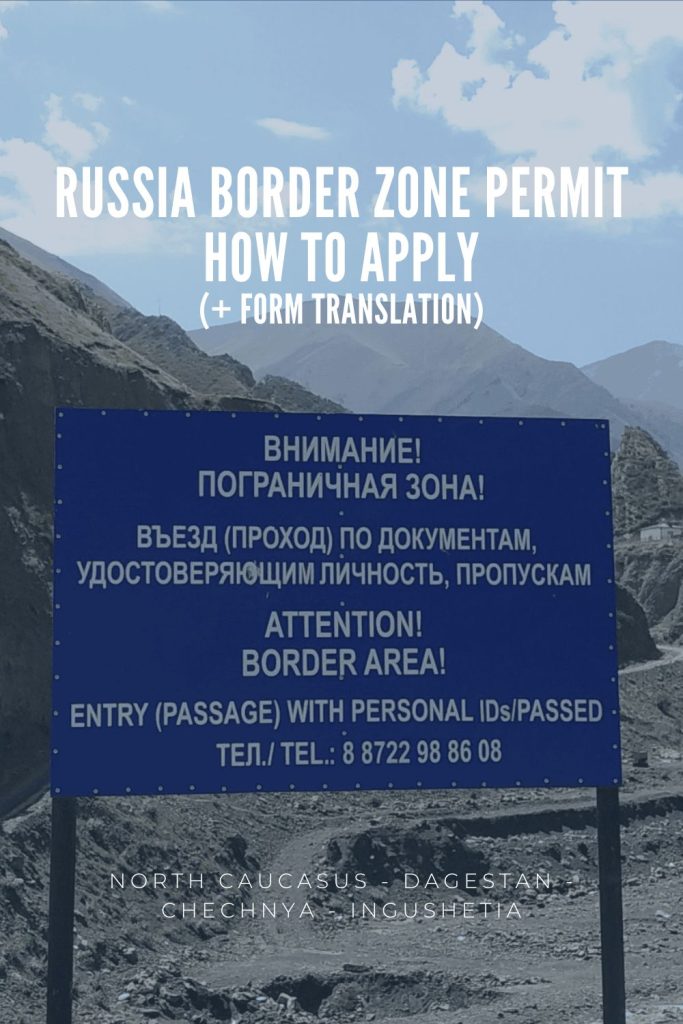
I’ve created a complete step-by-step guide to help you apply on your own (including a translation of the official form and a ready-to-send email template).
Get the guide for free by signing up below:
What is the Russia border zone permit?
The border zone permit (in Russian: пограничная зона) is an authorization issued by the FSB, the agency responsible for internal security and border protection in Russia.
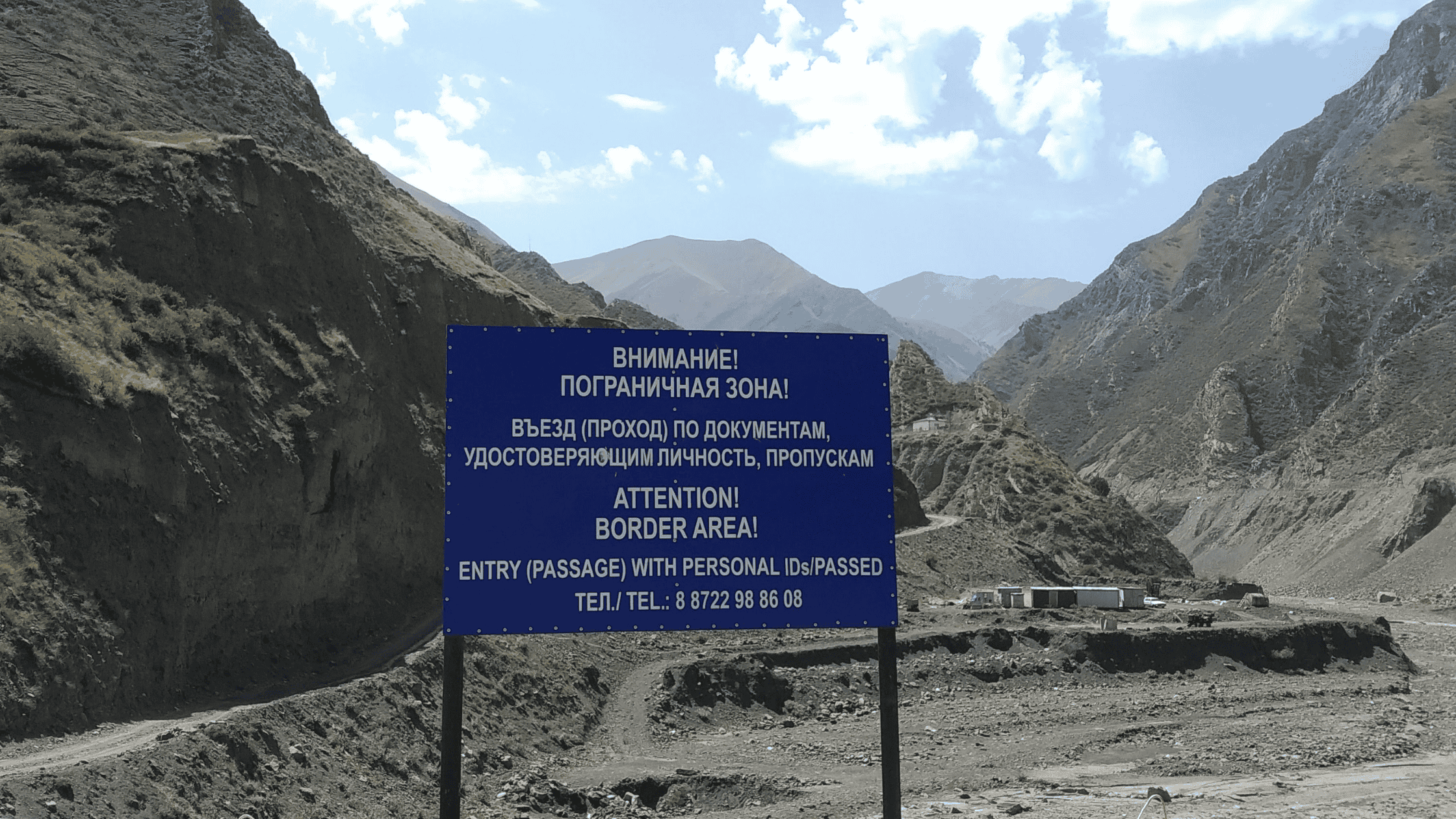
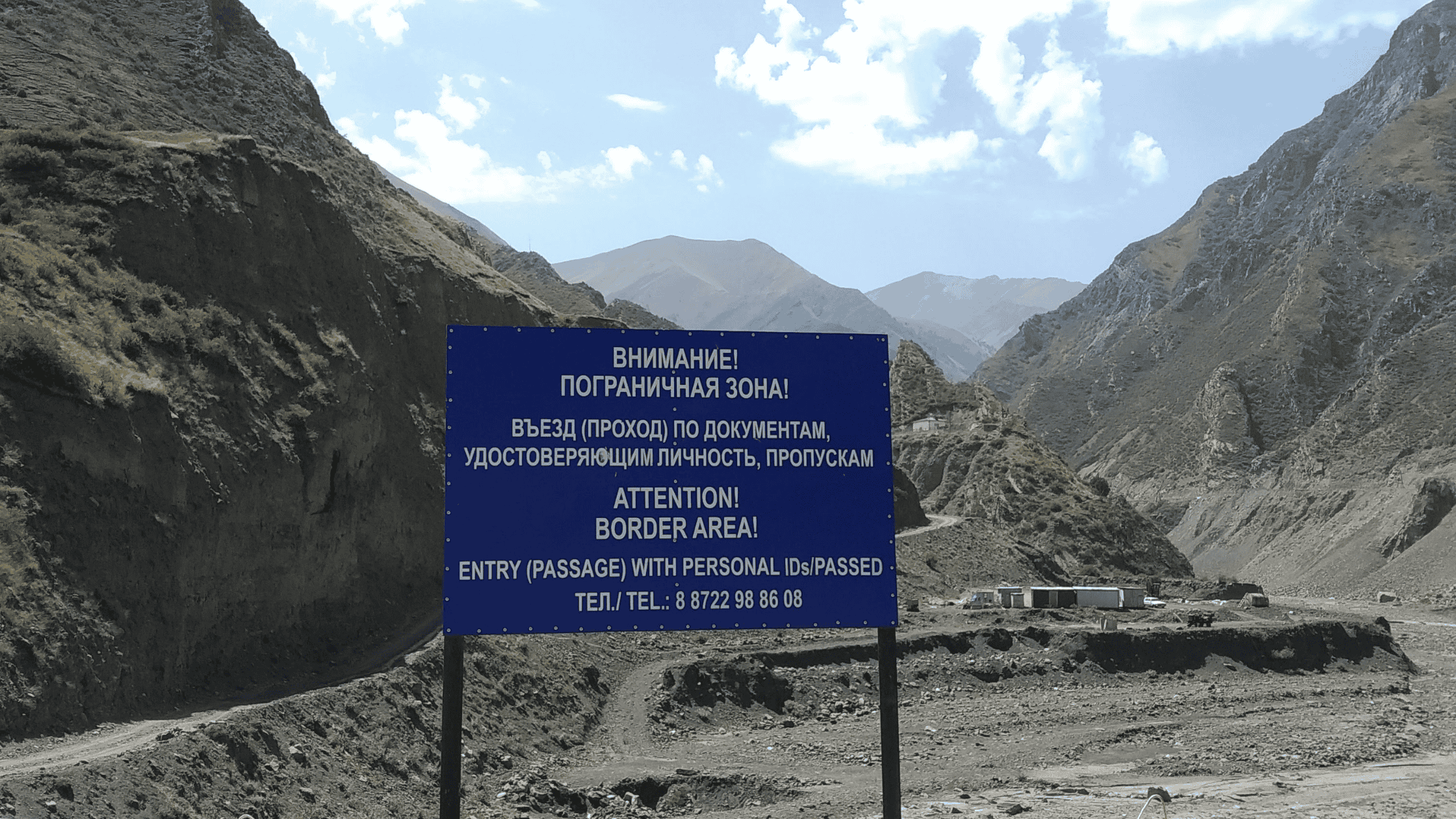
In practice, it is a document that allows you to access certain areas located near the country’s international borders. These zones are considered sensitive from a military or strategic perspective.
Simply put: without this permit, you won’t be able to access certain villages, national parks, or historical sites in these regions.
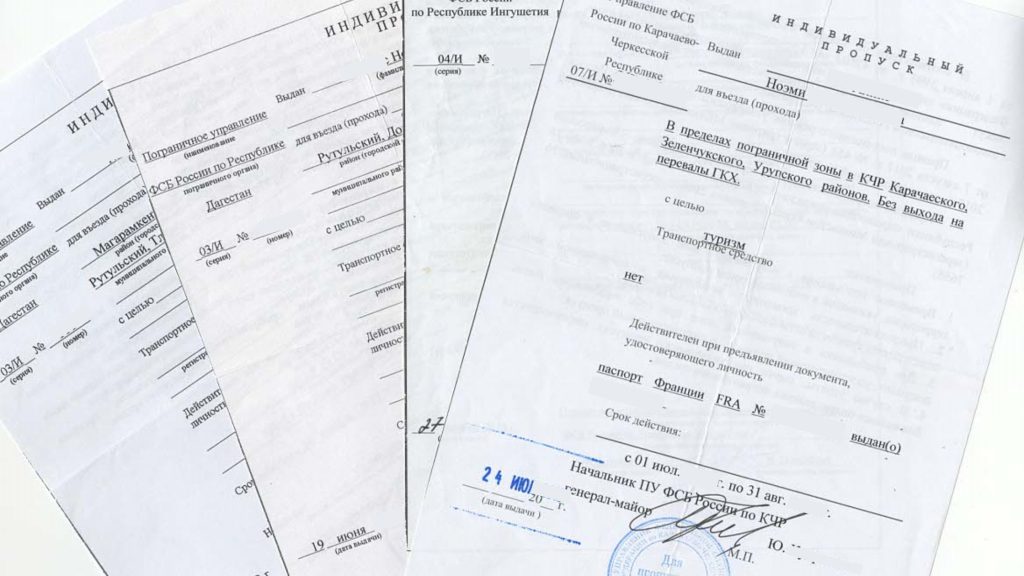 Some of my permits
Who needs a border zone permit?
Short answer: almost everyone. Even Russian citizens must apply for one if they do not live in the area concerned.
Border zones usually cover a strip of about 5 to 10 kilometers (sometimes much more) along Russia’s external borders, but the reality varies depending on the region.
For example, a permit is required to visit:
• parts of the North Caucasus, such as the mountains of Ingushetia
• certain Arctic areas
• regions near European borders
• areas along the borders with Kazakhstan, Mongolia, and China (such as Birobidzhan or the Altai)
On the other hand, you do not need a permit to travel within Russia between regions, or to cross international borders into Russia (a valid passport and visa are enough).
What is the FSB ?
FSB stands for the Federal Security Service of the Russian Federation. In simple terms, it is the modern successor of the KGB.
The FSB is responsible for:
• internal security
• intelligence services
• border control
They are the ones who decide whether or not you can access certain restricted areas.
That said, unless you’re an undercover journalist, a spy, or an internationally wanted political dissident, your application is unlikely to be an issue 😉

How to apply for a Russia border zone permit
Good news: the process is much simpler than it looks.
In short, you need to:
1. fill out the official form (in Russian)
2. send your application to the regional FSB office
3. attach a copy of your passport and visa
4. collect your permit a few weeks later
Each application must be submitted individually, group or family applications are not possible.
You can find the official list of regional FSB offices on https://ps.fsb.ru then click on “пограничные органы” to access the regional directory.
You can download the official application form here:
Download the Russia border zone permit form (it’s the right version for 2026)
Important: the form is only available in Russian and must be filled out in Cyrillic. This is where most travelers struggle.
I’ve created a free guide to help you fill it out and submit your application correctly, see below.
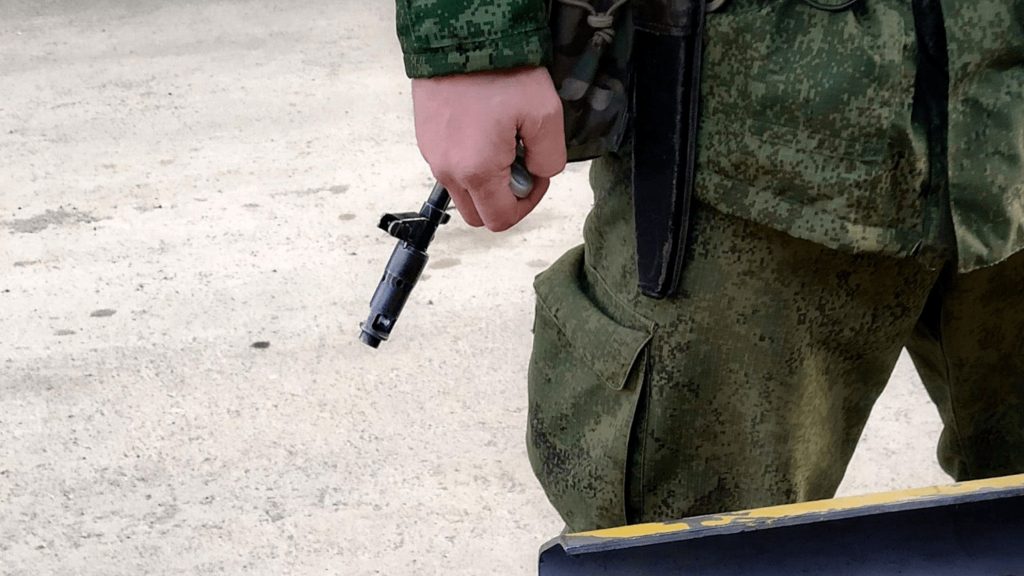 Soldier at a border zone checkpoint
My free guide: step-by-step application
Applying for a border zone permit can quickly become confusing if you don’t speak Russian.
To save you time, I’ve put together a complete guide including:
✓ a full translation of the application form
✓ a ready-to-send email template
✓ a map of border zones and checkpoints I’ve personally used
✓ examples of permits I’ve obtained
✓ practical tips to avoid common mistakes
Get instant access by signing up to the newsletter
If you’d rather skip the administrative part, I can also help you prepare your application for you (15€ for the service). It’s exactly the method I use for my own permits.
What if your application is rejected?
Rejections usually happen for three reasons:
• mistakes in the form
• a restricted or sensitive area
• or… they don’t like you
For example, areas near the Ukrainian border (clearly to be avoided at the moment) or certain parts of the Caucasus can be more difficult to access.
In that case, your best option is to submit a new application or adjust your itinerary. Fortunately, Russia is the largest country in the world, there’s always another incredible place to explore.